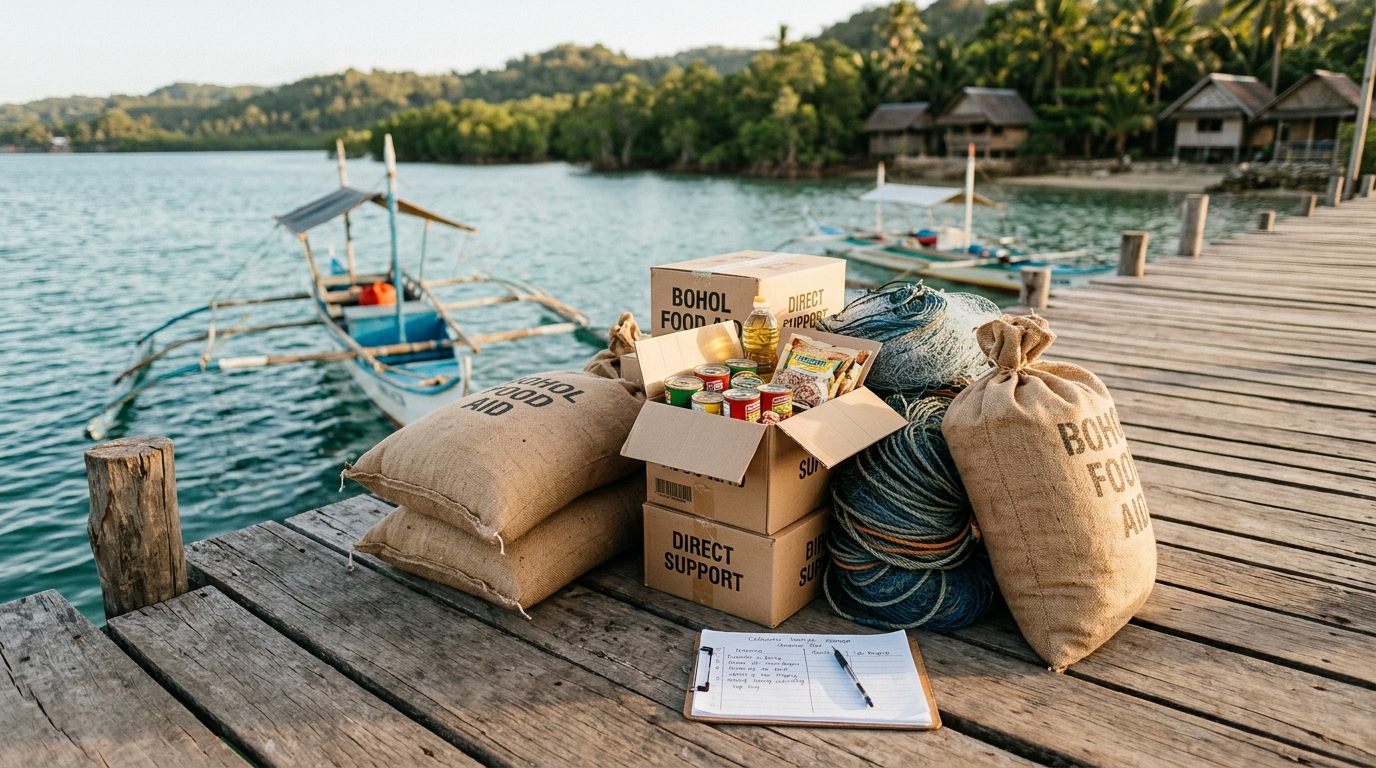
Bohol — The Bureau of Fisheries and Aquatic Resources (BFAR) has reaffirmed its commitment to supporting Bohol’s fishing communities through the “Mangingisdang Direktor” program. National Director Elizer Salilig personally visited coastal areas to engage with local fisherfolk and evaluate their operational needs. By fostering direct dialogue, the agency aims to ensure that national policies match the day-to-day challenges faced by those who sustain the province’s food security. This hands-on approach includes assessing modern fishing technologies and supporting ongoing infrastructure projects for hatchery development.
Engaging with the Grassroots
During the immersion, Director Salilig participated in a "lambaklad" or set-net harvest to test the efficiency of sustainable fishing methods. These visits allow officials to gather vital insights that help in refining regional and national programs. The dialogue provided an opportunity for the East Lungsodaan Fisherfolk Association and other groups to voice their specific needs to agency leaders. Such direct engagement is intended to make government support more responsive and effective for small-scale fishers.
Investing in Infrastructure
The visit also served as an inspection tour for various fisheries projects, including the Upland Tilapia Hatchery in Jagna. Construction updates for the Multi-Species Hatchery and the Aqua-Business Technology Incubator in Ubay were also reviewed to assess the province's production capacity. These facilities are crucial for ensuring a steady supply of fry and fingerlings for local operations. By investing in these technologies, the government helps stabilize the income of local communities involved in the sector.
Securing the Future of Coastal Livelihoods
Following these site visits, the BFAR leadership convened to integrate the gathered insights into regional operational plans. The focus remains on sustainable development that respects the traditional wisdom of local fishers while introducing modern technology. This balanced strategy is essential for protecting the maritime resources that underpin Bohol’s economy. The ongoing support for these communities ensures that they remain a cornerstone of the province’s food security strategy.