The Value Beyond Property Lines
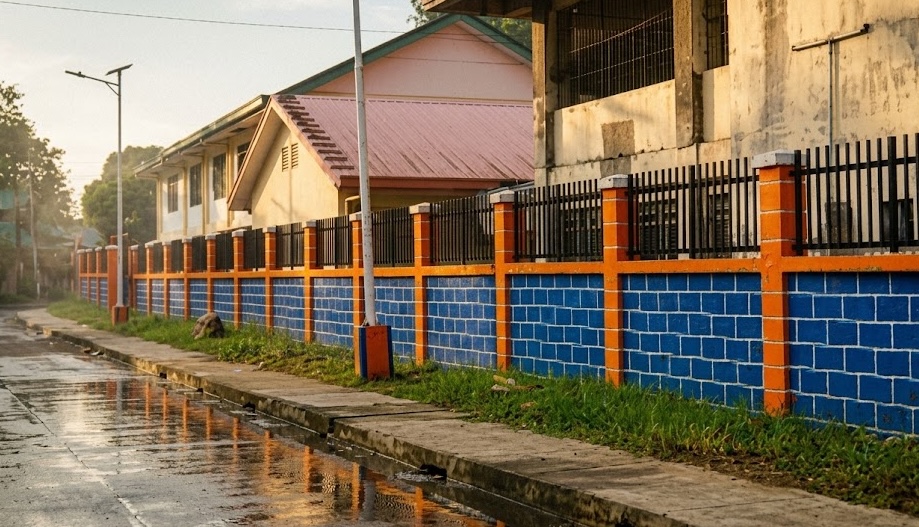
People often evaluate neighborhoods based on accessibility, safety, and available services. Schools play a significant role in that equation. The turnover of multiple education-related infrastructure projects in Ozamiz City reflects ongoing investment in facilities used by students and families. Improvements ranging from sports facilities to school fences and sanitation infrastructure contribute to daily quality of life. While these projects may not appear in traditional real estate advertisements, they influence how communities function. Families frequently consider nearby educational facilities when choosing where to live and establish roots.
Public Spaces With Lasting Impact
Educational campuses serve purposes beyond classroom instruction. They host activities, events, and gatherings that bring communities together. Investments in sports facilities, football fields, and supporting infrastructure expand opportunities for recreation and participation. These improvements create spaces that remain active outside school hours. As a result, schools often become community assets rather than isolated institutions. Their influence extends into surrounding neighborhoods by encouraging activity, interaction, and engagement among residents.
Growth Through Everyday Infrastructure
Urban development is not always defined by large commercial projects. Incremental improvements to public facilities can also shape the future of a city. Educational infrastructure contributes to community stability and helps support long-term growth. In Ozamiz City, recently completed school projects highlight how development can occur through investments that directly affect daily life. These initiatives demonstrate that real estate value is influenced not only by buildings for sale but also by the quality of public spaces available to residents.