BOHOL — Gov. Aris Aumentado brought Bohol’s investment proposition directly to Manhattan, meeting with Philippine Trade and Investment Center (PTIC) officials in New York to attract global capital. The June 2026 discussion focused on transforming the island province into a premiere business hub.
Bohol’s Pitch to the World from New York
Aumentado sat down with Trade Commissioner Alma Argayoso to lay out Bohol’s advantages: a skilled workforce, solid infrastructure, and a government committed to progress. The governor underscored that the province is ready to welcome enterprises seeking a foothold in the Philippines’ fastest‑growing regions.
The meeting prioritized sectors where Bohol already holds competitive edges. Tourism, agriculture, local goods, and emerging industries topped the agenda. Aumentado stressed that the province is not merely inviting investment; it is offering a partnership backed by clear governance and long‑term planning.
Infrastructure Momentum Builds Investor Confidence
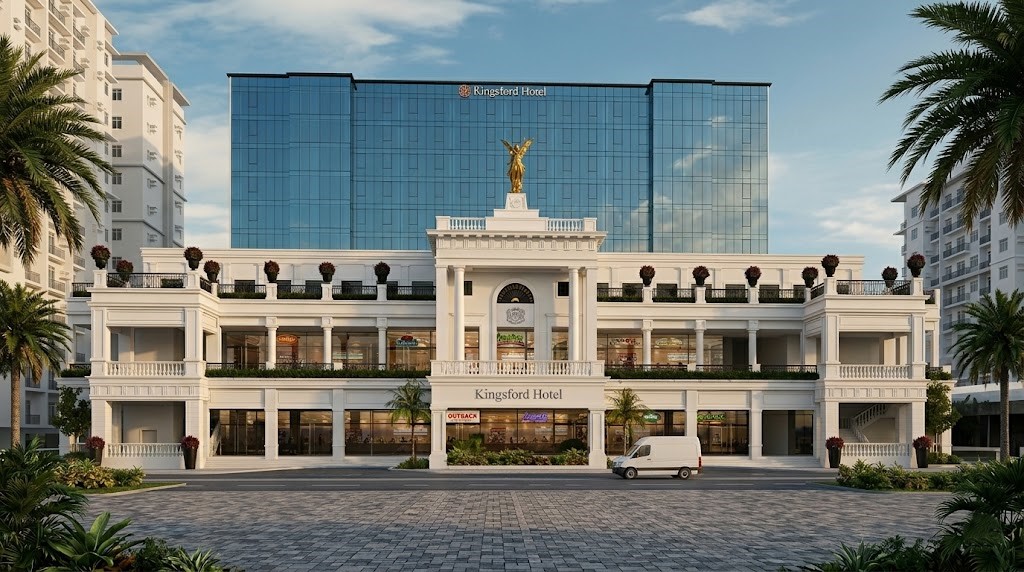
Major commercial projects reinforce Bohol’s investment‑ready posture. The governor confirmed that the SM Bohol development in Tagbilaran City will push through, promising jobs and retail activity. Such brick‑and‑mortar expansions signal a market with rising purchasing power and consumer demand.
Direct international connectivity further sweetens the deal. The first chartered flight from Japan landed in May 2026, and the province is actively pursuing more routes. A proposed Visa Upon Arrival scheme aims to make it easier for tourists and business travelers to enter, boosting the hospitality and service sectors.
Expanding Markets for Local Goods and Agriculture
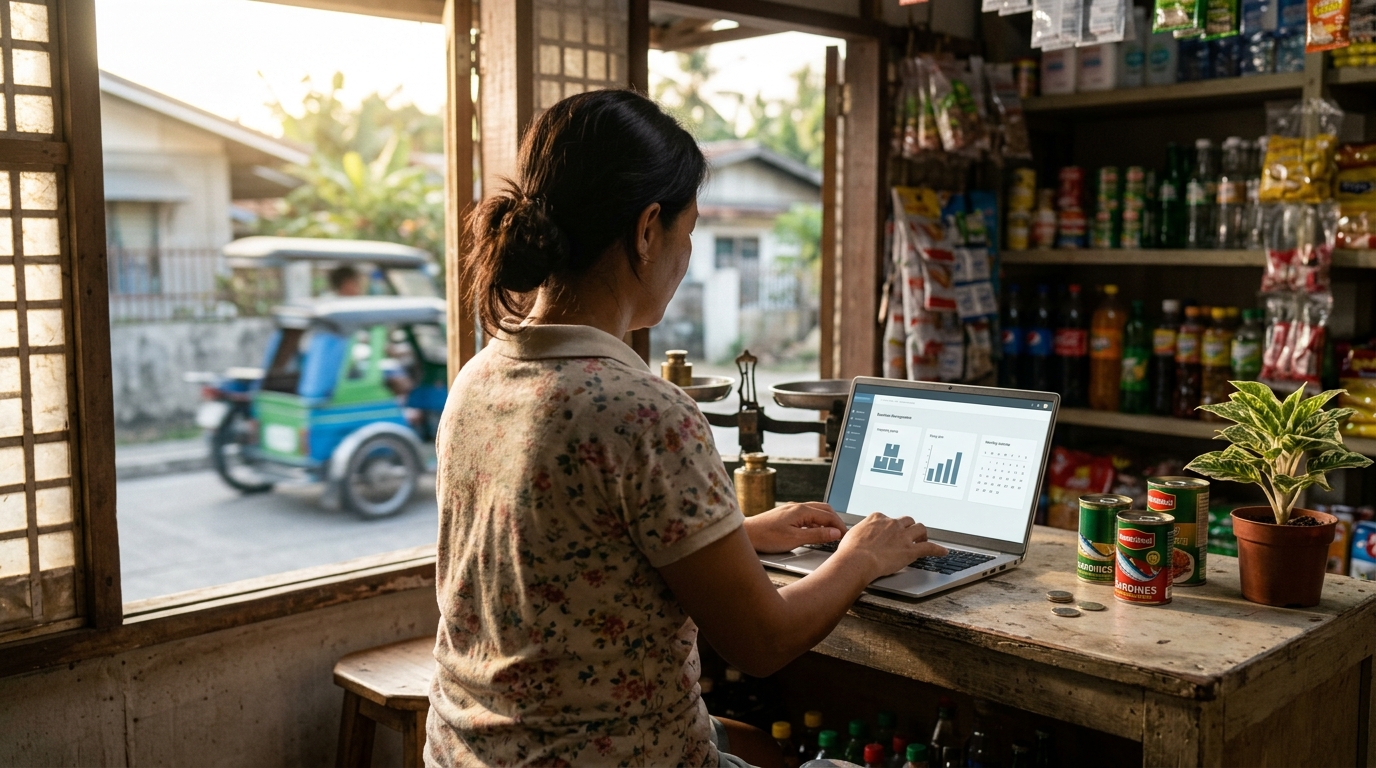
Beyond infrastructure, Aumentado wants Bohol’s products to reach international shelves. The PTIC meeting explored ways to link local producers with buyers abroad, especially for processed food, handicrafts, and organic agricultural goods. Strengthening export channels creates stable incomes for farmers and micro‑entrepreneurs.
The province is also investing in post‑harvest facilities and port expansions. The Municipal Port of Buenavista upgrade and a new Tagbilaran post‑harvest center will reduce logistics costs. These improvements address long‑standing supply‑chain bottlenecks that have limited Bohol’s agricultural competitiveness.
Tourism as an Economic Engine
Bohol’s UNESCO Global Geopark status remains a powerful magnet for visitors and investors alike. The provincial government is deploying a digital visitor management system to track carrying capacities and streamline revenue collection. This modern approach protects natural assets while maximizing economic returns.
The tourism strategy integrates culture, adventure, and eco‑tourism. By promoting lesser‑known sites alongside the Chocolate Hills, the province spreads visitor spending across more communities. This diversification makes the tourism economy more resilient and creates opportunities for small enterprises island‑wide.
Fiscal Prudence and Resilience Under Pressure
Bohol’s economic fundamentals remain sound even as global headwinds intensify. In May 2026, the province posted a 7.2 percent inflation rate, lower than the Central Visayas average. To safeguard public finances, the provincial government issued austerity measures urging cost‑saving on local celebrations, redirecting funds to health and education.
Water security projects, including the proposed Intermunicipal Bulk Water Supply system, address the long‑term needs of households and industries. These initiatives demonstrate that Bohol is not just chasing growth but building the foundation to sustain it. For international investors, such foresight reduces risk and enhances the province’s attractiveness.