Bohol is currently making waves on the global stage, not just for its landscape but for the extraordinary life forms and culinary heritage that call it home. As of early May 2026, the island is celebrating the second-place finish of its local “antingaw” (a rock-boring mollusk from the Abatan River) in the International Mollusc of the Year competition, drawing worldwide eyes to the region’s biodiversity. This recognition coincides with a provincial push toward "regenerative tourism," where the island's unique food identity—from the smoky "dinosaur egg" salt of Alburquerque to the spicy stews of the interior—is being preserved as a vital cultural asset. Visitors arriving this week are finding a destination that balances its UNESCO Global Geopark status with a deeply rooted, authentic dining culture that remains resilient despite shifting economic tides.
The Labor of the Asinderos in Alburquerque
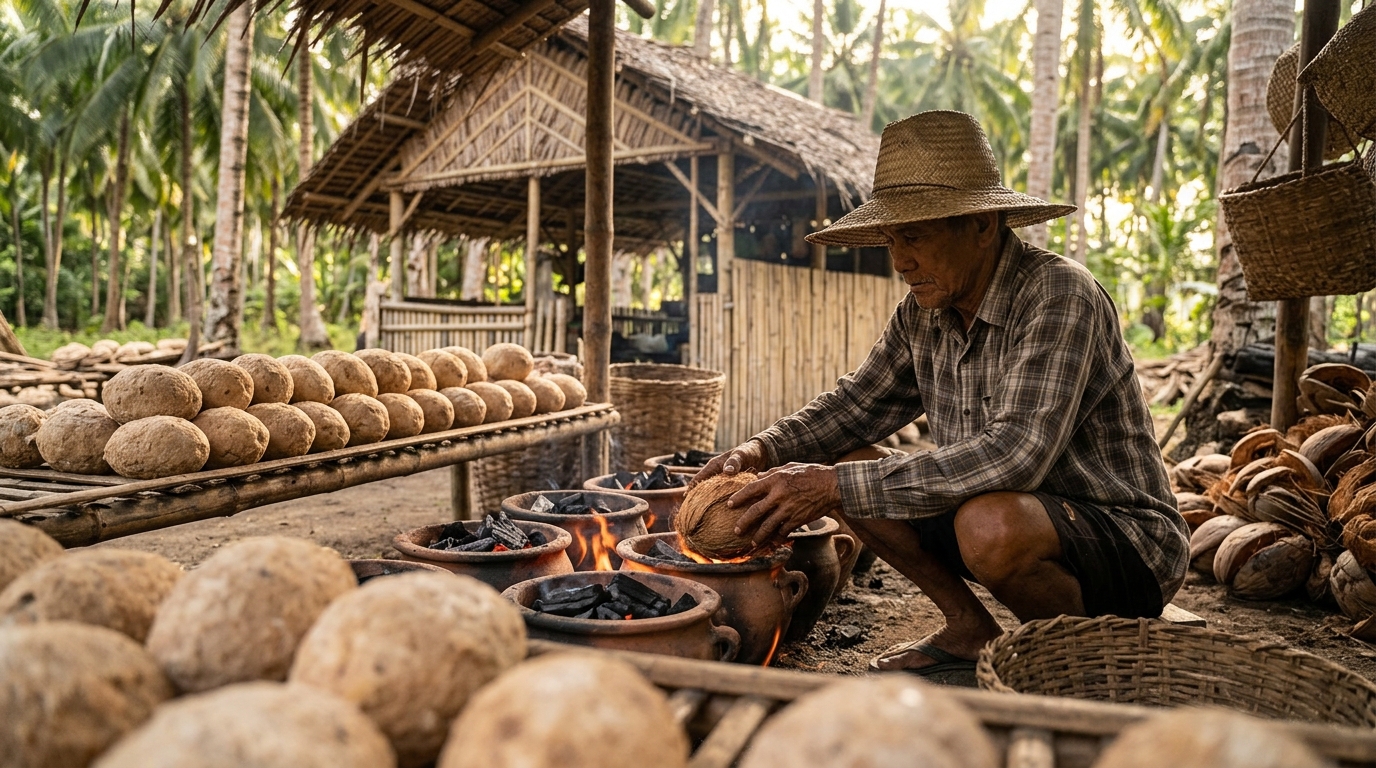
The rare "Asin Tibook" of Alburquerque has recently gained newfound protection as a registered Geographical Indication (GI), ensuring this labor-intensive craft is shielded from modern imitations. This artisanal sea salt, often called "dinosaur egg salt" due to its distinctive shape, is produced through a months-long process of soaking coconut husks in seawater and firing them into ash. In early May, local asinderos (salt-makers) are being highlighted as central figures in Bohol’s regenerative tourism model, which seeks to turn traditional livelihoods into sustainable economic opportunities. Because the production depends entirely on the availability of local coconut husks and favorable weather, every piece of Asin Tibook purchased today supports a heritage that was once on the brink of extinction.
Savory Staples and the Heat of the Fiesta Month
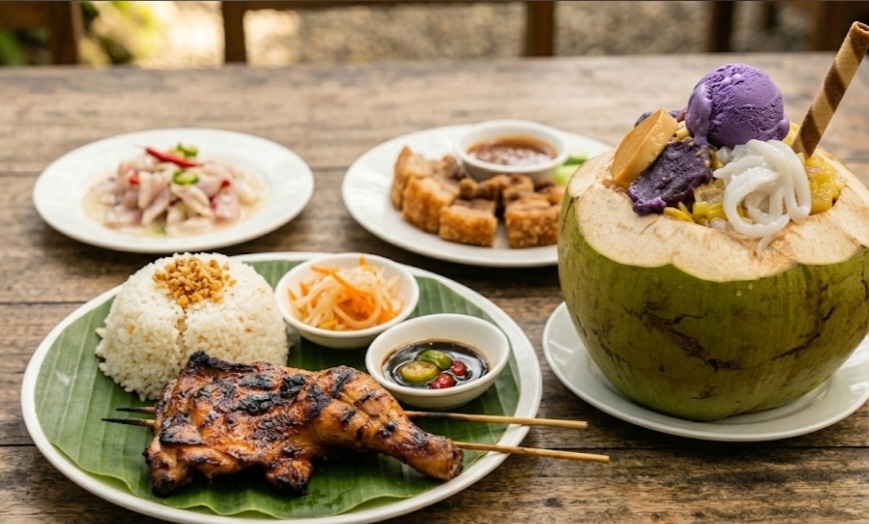
As May ushers in the "Fiesta Month," the aromatic scent of Surol and Halang-Halang is filling homes across the province. Surol, a chicken stew enriched with coconut milk and infused with the earthy fragrance of lemongrass and ginger, serves as the ultimate comfort food for celebrating communities. Meanwhile, the spicy kick of Halang-Halang remains a seasonal favorite, tradition dictates that the dish grows spicier as the month progresses, mirroring the rising summer heat. These dishes are more than just meals; they are communal expressions of the Boholano spirit, typically prepared using native chicken to ensure the most robust and authentic flavor profile possible.
Coastal Delicacies and River Wonders
In the town of Calape, the local delicacy known as "Takla in Gata" is currently in high demand among travelers exploring the northern coast. These snapping shrimp, gathered from muddy mangrove areas, offer a unique texture and sweetness when simmered in rich, first-press coconut cream. The spotlight on Calape’s seafood comes at a time when Bohol’s Abatan River is also gaining international fame for its "antingaw," a rare limestone-eating shipworm that highlights the island's strange and wonderful ecosystem. This intersection of rare biology and traditional fishing ensures that a visit to Bohol’s coastal and riverine towns offers a culinary narrative found nowhere else in the world.