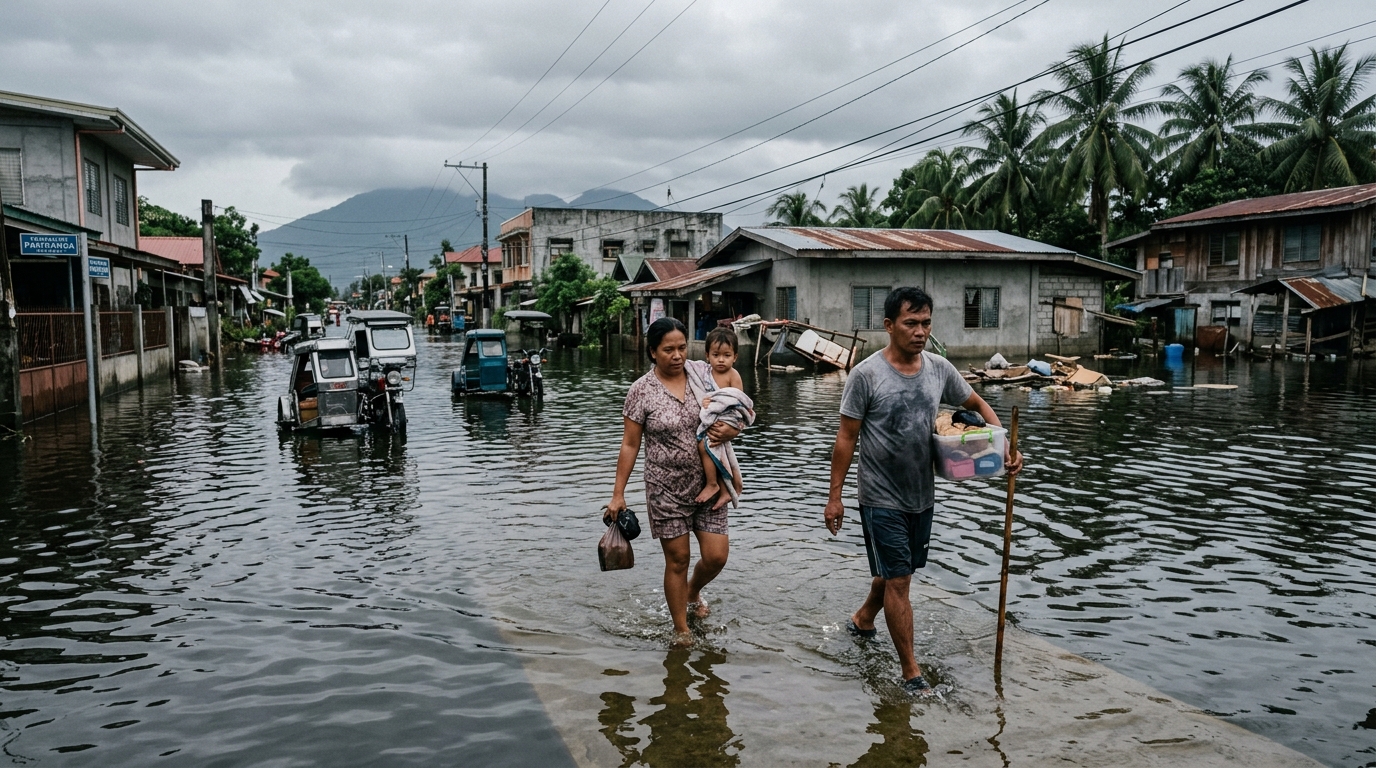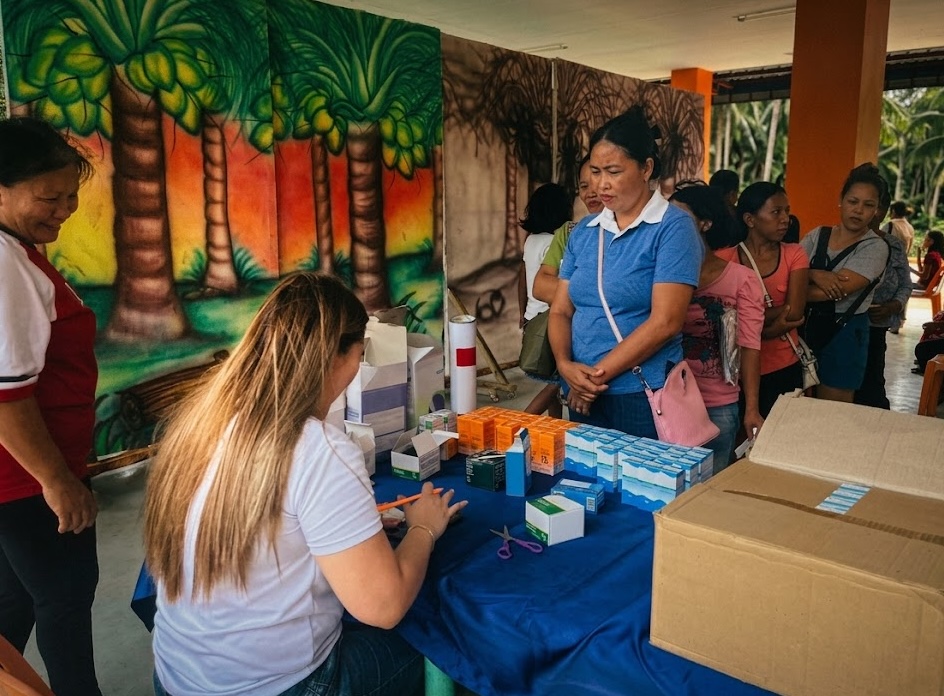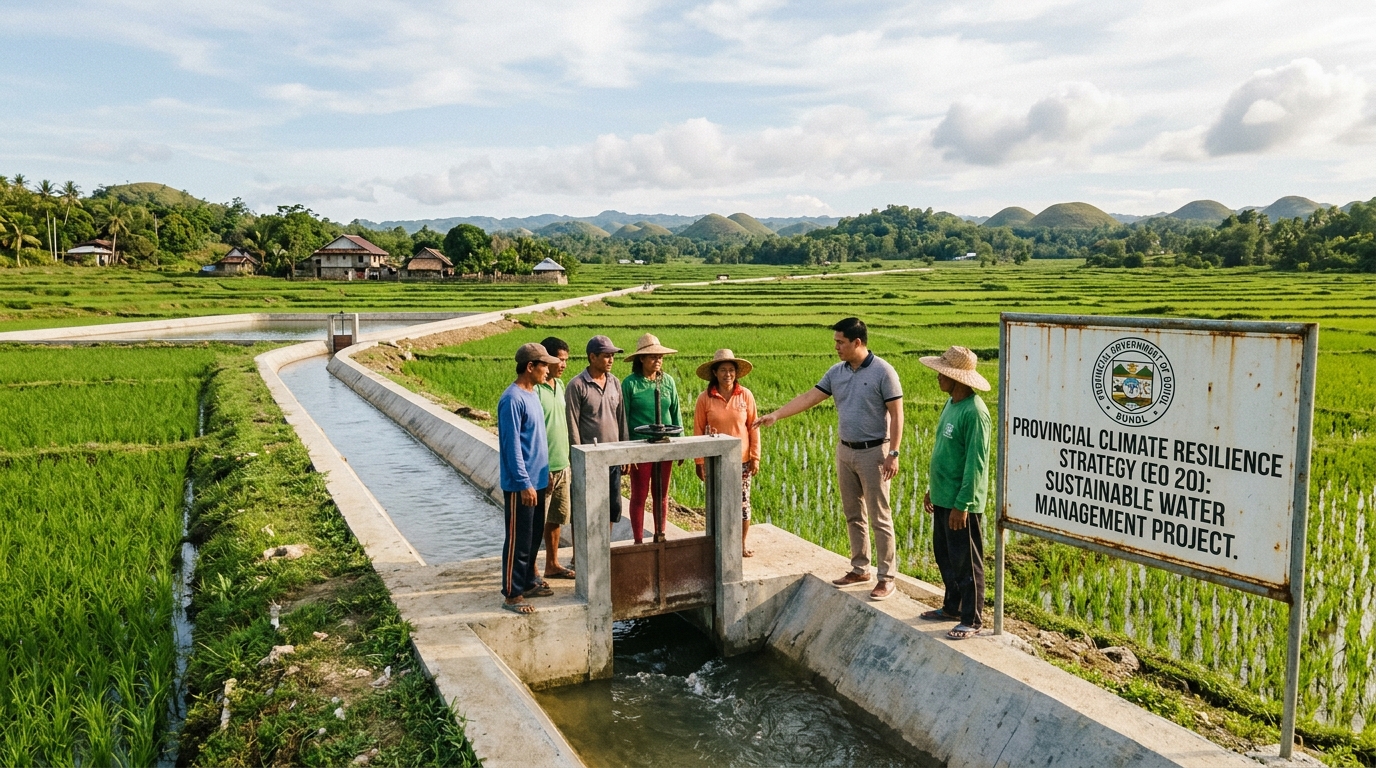
Bohol — In a decisive move to secure the future of the island’s agriculture and water supply, the provincial government has initiated a five-year strategic plan for climate resilience. Executive Order No. 20 mandates this comprehensive approach to combat the projected impacts of El Niño, which could persist well into 2027. This shift represents a transition from emergency response to a more structured, long-term preparation model. By coordinating actions across all municipalities, provincial officials are prioritizing the stability of food production and vital public infrastructure.
Moving Beyond Reactive Measures
The current drought forecasts have highlighted the need for a sustained, island-wide strategy rather than fragmented local efforts. By setting goals for the next five years, the province is ensuring that critical resources are allocated efficiently to prevent damage to rice fields and local water networks. The Provincial El Niño Task Force is now coordinating directly with municipal offices to implement preventative infrastructure projects across the island. This proactive stance is intended to mitigate the economic shock often associated with extreme weather events, protecting both farmers and residents.
Integrating Science into Governance
Data provided by national weather experts is the bedrock of this new roadmap, which aims to minimize guesswork in policy implementation. The provincial board is finalizing the budget and legislative support necessary to execute these long-term programs with transparency. This evidence-based approach ensures that resources are directed toward the areas and sectors most vulnerable to water scarcity. By prioritizing reliable data, the government is creating a more stable environment for local stakeholders to plan their own activities.
Building a Resilient Island
Bohol is positioning itself as a leader in provincial-level climate governance, showing that local administration can successfully manage global environmental challenges. The successful implementation of these plans depends on the close cooperation of diverse government departments and the active participation of local communities. This roadmap is more than a document; it is a commitment to ensuring the island remains a productive and livable place even during harsher weather cycles. As the program enters its execution phase, the focus will remain on building lasting stability for every family in Bohol.