As the Philippines grapples with rising interest rates and high construction costs, the Davao City property market is witnessing a radical transformation in consumer behavior. On April 18, 2026, market data revealed a sharp surge in demand for condominium rentals as professionals and growing families rethink their path to modern living. While the cost of homeownership continues to climb, the city’s burgeoning BPO and IT sectors are driving a rental market that is now among the most competitive in Mindanao.
Flexibility Over Financing in a High-Inflation Era
The latest market analysis released on April 18, 2026, highlights that renting has become a strategic solution for Dabawenyos facing rising food prices and utility bills. Owning a home in prime districts has become increasingly challenging due to large initial down payments and long-term financial commitments required by major banks. Renting offers a way to bypass these hurdles, allowing professionals and students to live in top-tier developments without the immediate burden of a mortgage. This shift is supported by the city's status as a top-tier BPO destination, attracting a workforce that prioritizes mobility and lifestyle convenience.
Prime Locations and Pricing Dynamics
Demand is currently concentrated in "Lifestyle Corridors" such as Bajada, Lanang, and Matina, where quality units are often leased within days of becoming available. In these prime areas, rental prices for 2026 typically range from ₱10,000 for studios to over ₱35,000 for premium two-bedroom units, depending on the amenities provided. These areas are preferred due to their proximity to shopping malls, major universities like Ateneo de Davao, and the expanding SM Lanang Premier corridor. This "accessible urbanism" allows tenants to significantly reduce daily commute times and transportation expenses, which is a top priority for the 2026 workforce.
The Allure of the Modern Condo Lifestyle
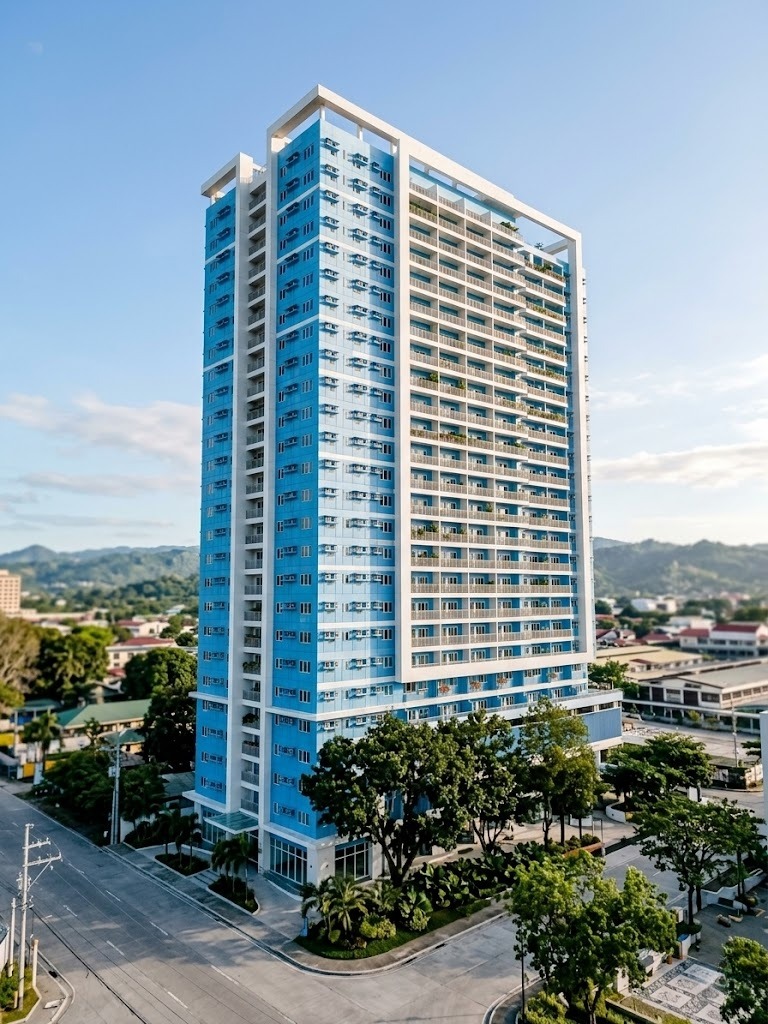
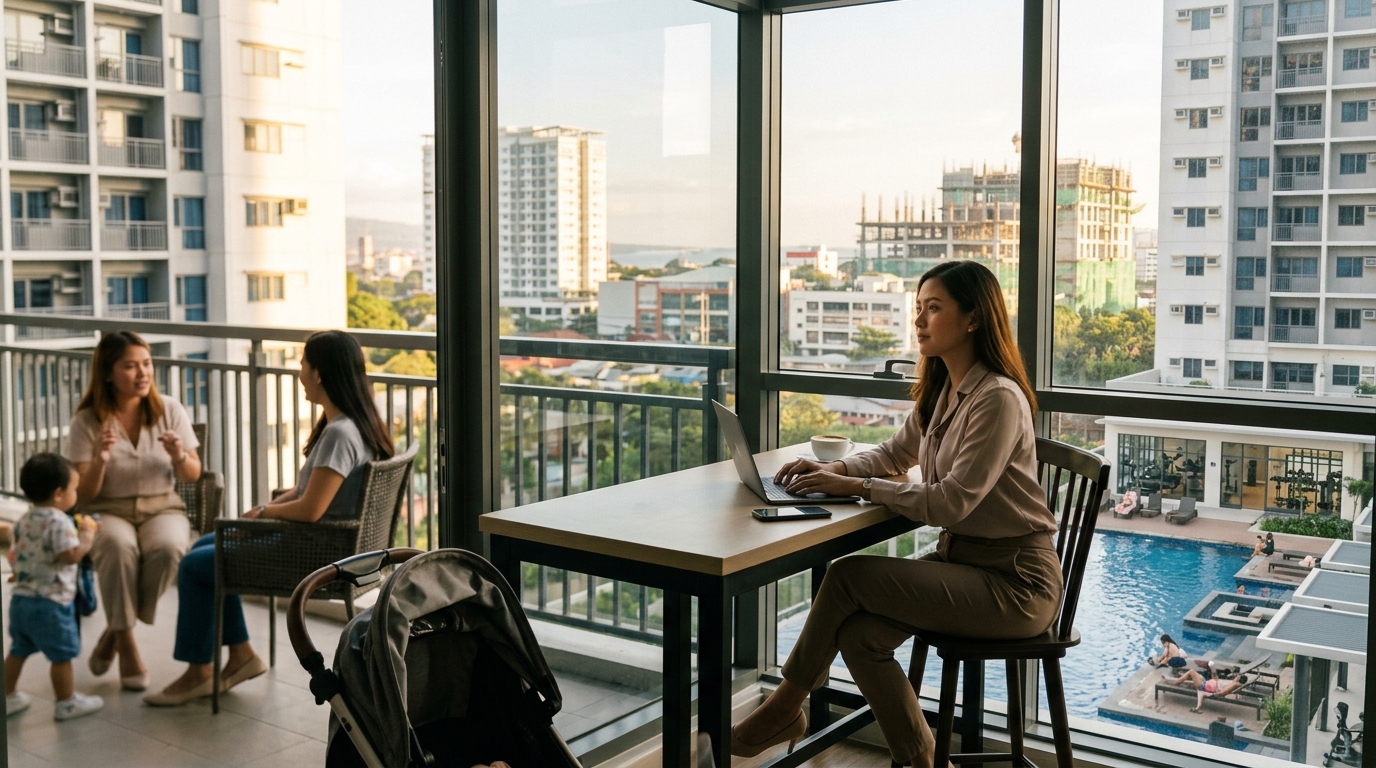
The boom in the rental market is also driven by the desire for resort-like amenities that provide a better quality of life than traditional housing. Tenants are increasingly seeking developments that offer 24/7 security, swimming pools, fitness gyms, and co-working spaces as part of the standard rental package. This "experience-led" demand is particularly strong among remote workers and young professionals in the IT-BPM sector who value both comfort and digital connectivity. As developers continue to integrate short-stay units and leisure amenities into residential estates, the lines between traditional housing and hospitality real estate continue to blur.