



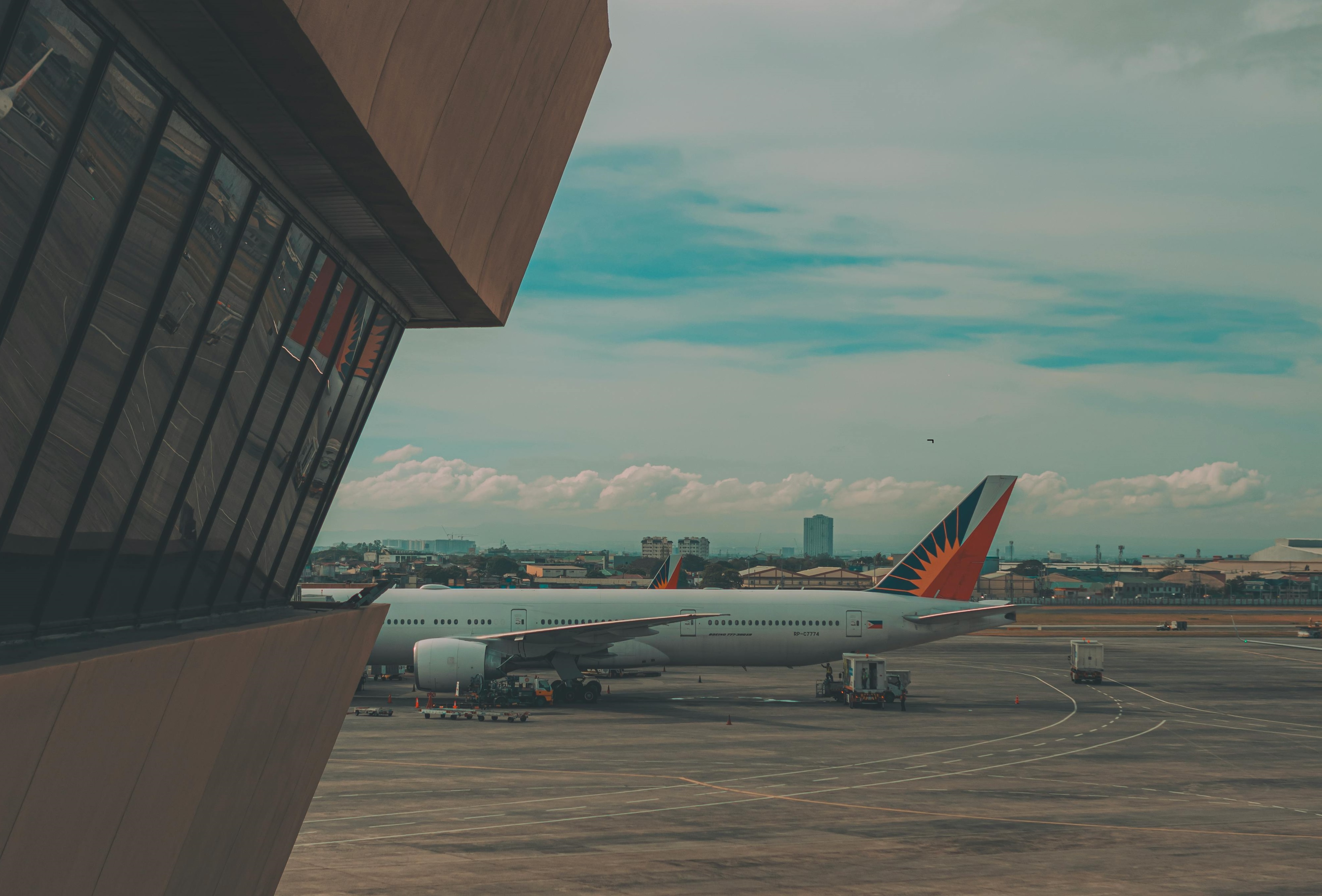
The dream of a direct air link between the "King City of the South" and Japan faced a sobering reality check this weekend. On Sunday, April 19, 2026, Japanese Ambassador Kazuya Endo addressed the growing clamor from Davaoeños for easier access to Tokyo and Osaka. While both nations celebrate deep cultural and historical ties, the Ambassador clarified that several critical factors continue to stall the establishment of direct commercial routes. This development highlights the complex tension between passenger demand and the rigorous security requirements of international carriers.
Corporate Viability vs. Passenger Demand
During a media briefing at the Japanese Consulate on Friday and followed by official statements this Sunday, Ambassador Endo emphasized that direct flights are primarily a business decision for airlines. While demand for travel to Japan is surging among Davaoeños, carriers must determine if daily or weekly flights are economically sustainable in the long term. The Ambassador noted that while the embassy provides essential data and facilitates communication, the final approval rests with commercial entities in Tokyo and Manila. Currently, the high cost of fuel and the ongoing regional oil crisis have made airlines more cautious about opening new unproven international routes.
Security as the Ultimate Gatekeeper
More than just economic viability, the security situation across Mindanao remains a pivotal factor in Japan’s decision-making process. Endo explained that corporate boards in Tokyo are highly sensitive to regional stability when considering the safety of their crews and assets. "If the security situation is drastically, dramatically improved... that would increase the demand for direct flights," the Ambassador stated. Until these concerns are resolved to the satisfaction of international auditors, travelers from Davao must continue to transit through saturated hubs like Manila or Cebu.
Optimism in People-to-People Exchange
Despite the aviation stalemate, the Ambassador expressed a welcoming stance toward the increasing number of Filipino tourists visiting Japan this April. He highlighted the 70th Anniversary of the Normalization of Philippine–Japan Relations as a foundation for strengthening future ties. While direct routes are stalled, other forms of cooperation, such as the development of the Davao bypass and other infrastructure, continue to receive Japanese support. This persistent engagement suggests that once the logistical and security barriers are cleared, Davao is poised for a significant explosion in Japanese tourism and trade.
