Cavite's population grew steadily from 2020 to 2024, with key cities like Bacoor and Dasmariñas surpassing Metro Manila cities in population, driving demand for new residential developments and integrated townships across the province.
Cavite's Population Story: The Numbers Behind the Boom
Cavite's population has experienced remarkable growth over the past decade, cementing its status as the most populous province in CALABARZON. According to the Philippine Statistics Authority, Cavite's population reached 4.57 million in 2024, making it the largest province in the region and surpassing neighboring provinces like Laguna (3.69 million) and Rizal (3.42 million) . This represents a steady increase from 4.34 million in 2020, with the province growing at an average annual rate of 1.24 percent during the period 2020 to 2024 .
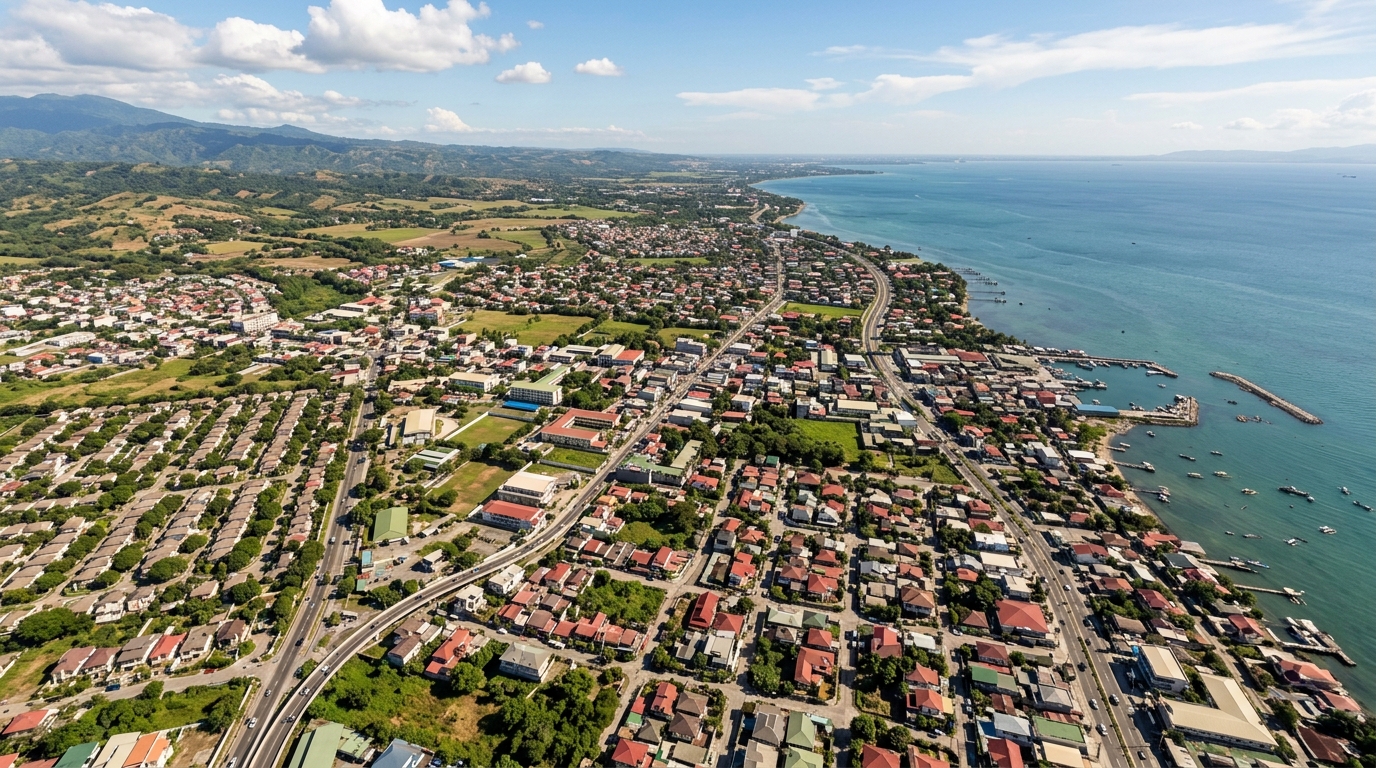
What makes Cavite's growth particularly noteworthy is the size of its cities. Dasmariñas leads with 744,511 residents, followed closely by Bacoor with 661,381—both surpassing the populations of several Metro Manila cities . The province's working-age population is especially robust, with over 4.6 million residents in the labor force, making it a prime location for businesses seeking talent . General Trias has emerged as one of the fastest-growing areas, posting growth above the national average and attracting major developer interest due to its central location and industrial anchors like the EPZA economic zone.
Where Caviteños Are Moving and Why
While established urban centers like Bacoor, Imus, and Dasmariñas remain densely populated, the most dramatic growth is occurring in emerging municipalities. Naic leads with an impressive 9.72% growth rate, driven by large-scale housing projects and improved transport routes . Kawit follows closely at 3.40%, benefiting from its proximity to major infrastructure developments. General Trias continues its steady ascent at 1.65%, while Trece Martires and Tanza are also experiencing significant population increases .
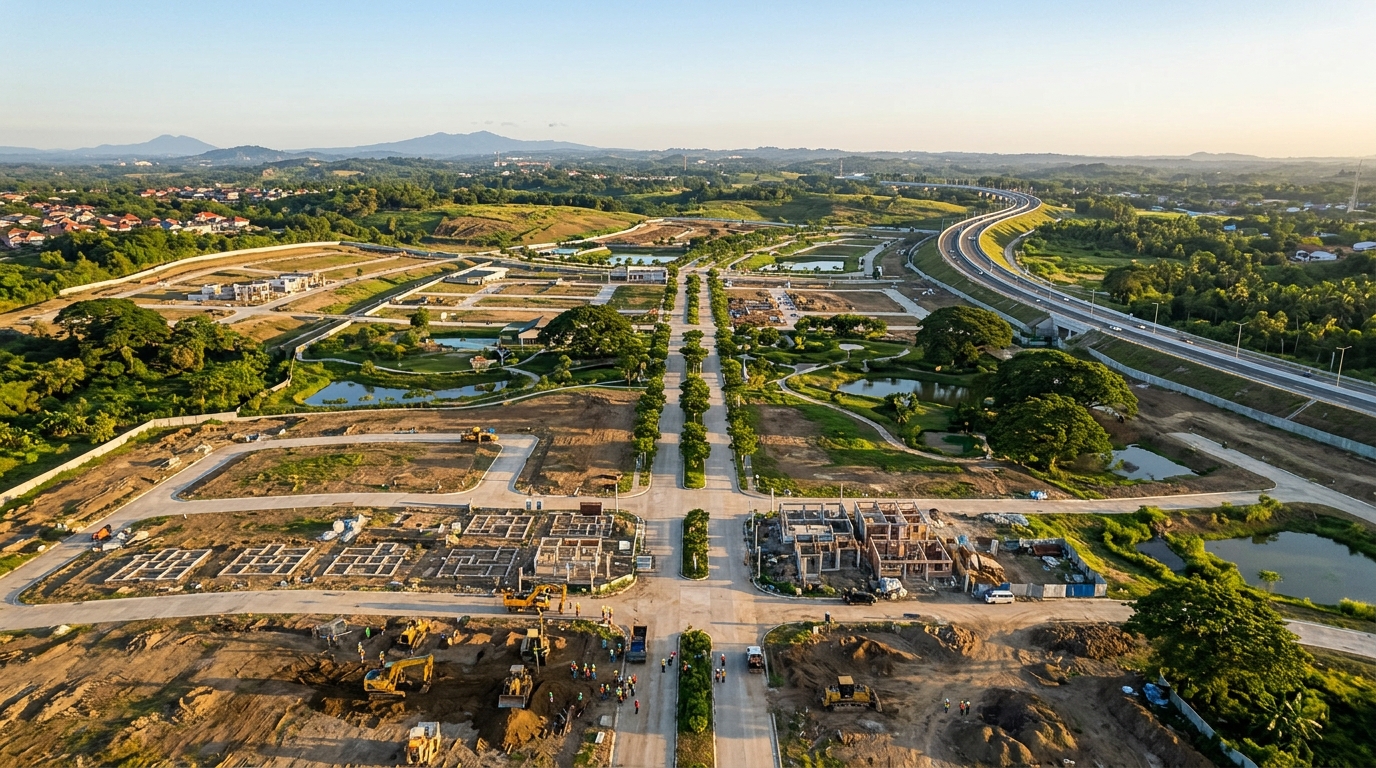
This population shift is fueled by several factors. The province's strategic location—just one kilometer from Las Piñas in some areas—makes it an ideal overflow for Metro Manila residents seeking more affordable living without sacrificing connectivity . A massive infrastructure pipeline worth PHP3.6 trillion, including the CALAX expressway, LRT-1 Cavite Extension, and the Bataan-Cavite Interlink Bridge, is cutting travel times and making the province more accessible than ever . Major developers like Ayala Land, Megaworld, and Federal Land have responded with integrated townships that bundle residential, commercial, and recreational spaces—like Vermosa in Imus, Maple Grove in General Trias, and Evo City in Kawit—creating self-sustaining communities that reduce the need for long commutes.
Meeting the Demand: New Communities for a Growing Population
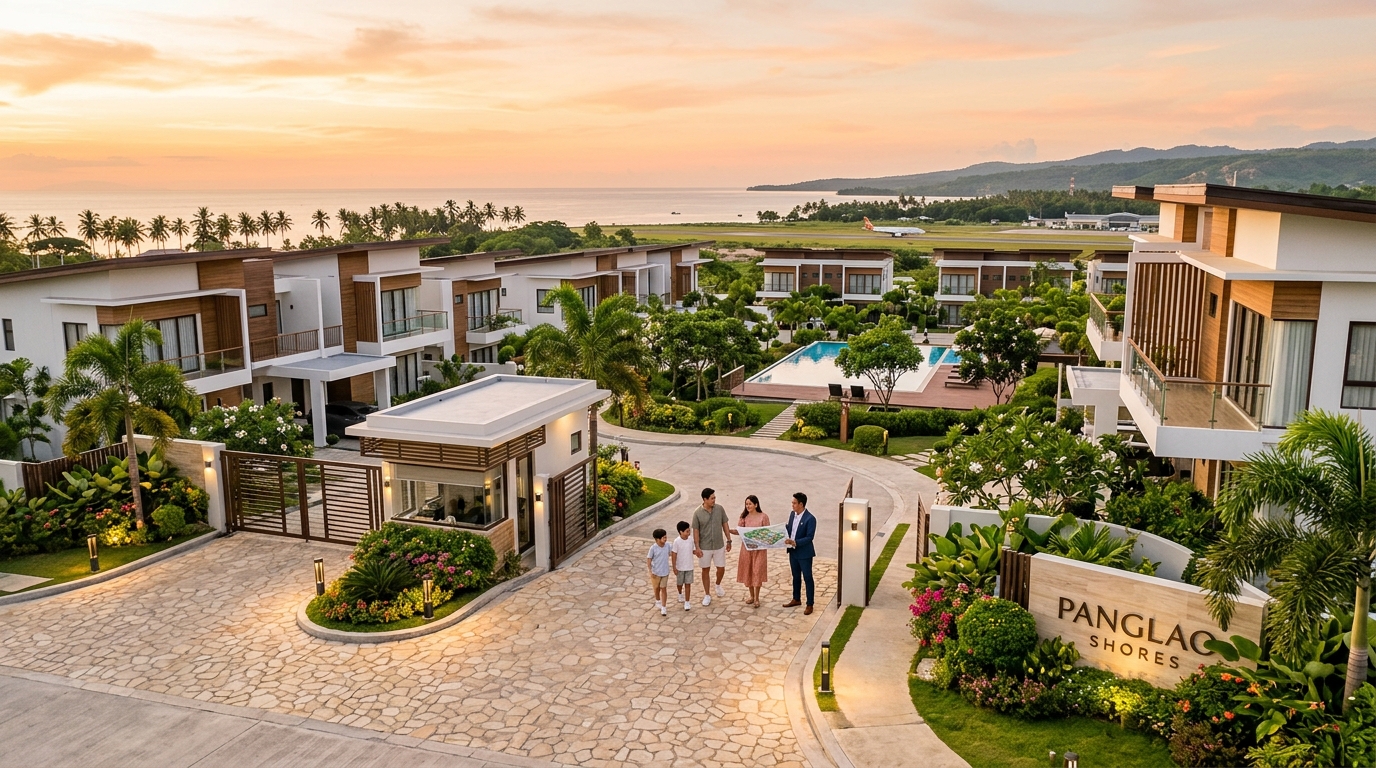
The continuous influx of new residents is driving unprecedented demand for residential developments across the province. PH1 World Developers' One Lancaster Park in Imus, a 15-tower condominium community, has generated approximately PHP2 billion in reservations, with Towers 1 and 2 achieving remarkable 96% and 60% take-up rates . Southscapes in Trece Martires, the company's first horizontal development in Cavite, features 343 energy-efficient units designed to help homeowners save up to PHP80,000 annually . The growth is expected to continue as the province's population is projected to reach 4.87 million by 2024 and beyond, supported by ongoing infrastructure improvements and the rise of industrial parks, technology hubs, and integrated townships .
Cavite is not just growing in numbers—it's growing smarter. With its young, working-age population, strategic location, and commitment to building integrated communities, the province is well-positioned to meet the needs of its expanding population. More people choosing Cavite means more businesses, more opportunities, and a brighter, more prosperous future for every Caviteño.