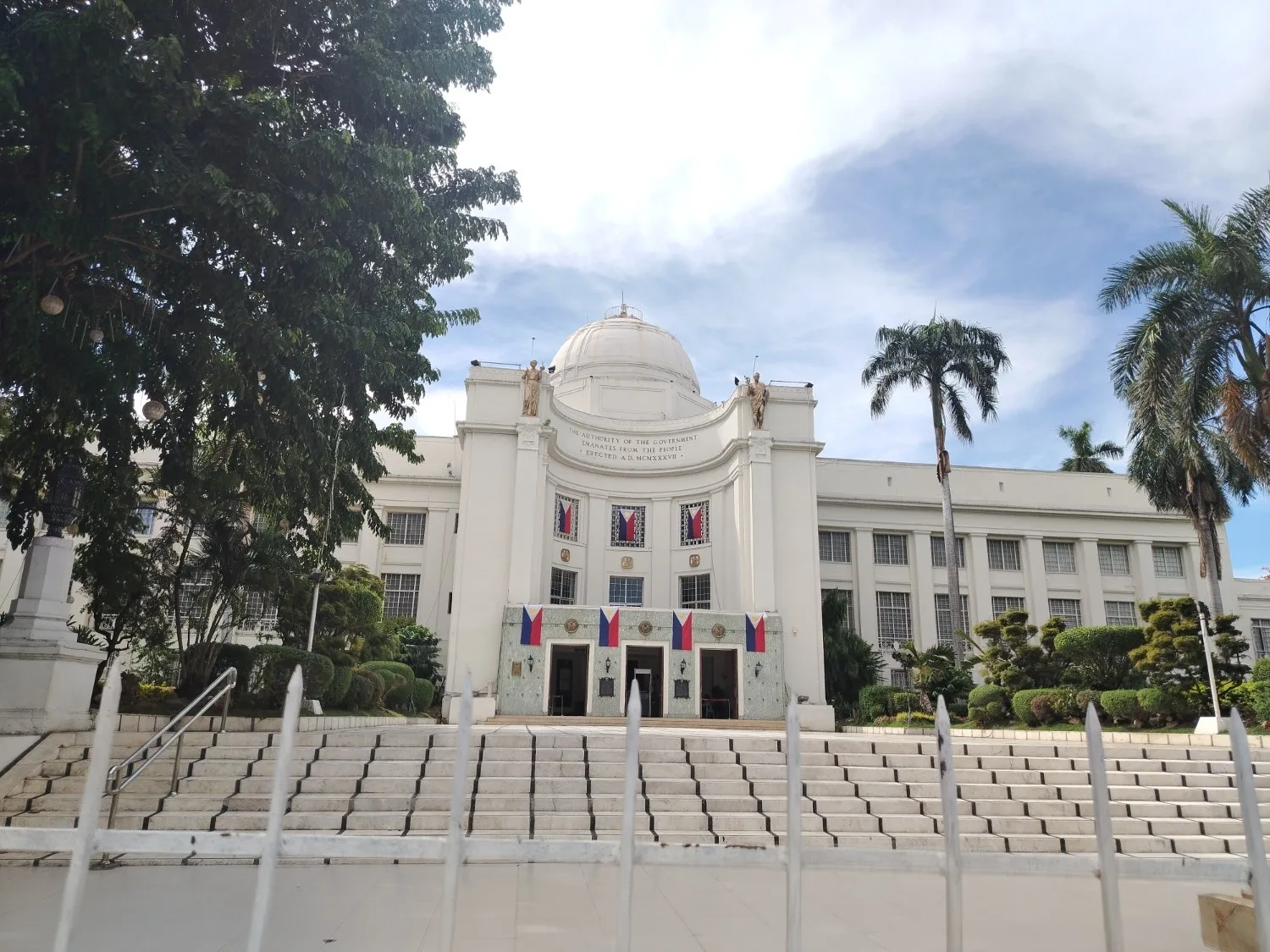
Cebu — The Cebu Provincial Government has taken a major step toward environmental sustainability and public health safety by launching the construction of advanced membrane bioreactor (MBR) sewage treatment plants across eight of its provincial and district hospitals. This critical infrastructure project, led by Governor Pamela Baricuatro, aims to modernize how healthcare facilities manage wastewater, ensuring that all discharge is properly purified before it returns to the environment. By replacing outdated systems with high-efficiency MBR technology—which uses microorganisms and fine membranes to filter waste—the province is effectively neutralizing biological hazards that have previously posed risks to surrounding communities.
A Non-Negotiable Standard for Patient Safety
For hospital management, these sewage treatment plants are more than just an upgrade; they are a fundamental requirement for maintaining a sterile and safe environment. Health consultant Elisse Nicole Catalan emphasized that while wastewater infrastructure may not be the most visible improvement, it is a "non-negotiable" necessity for any modern facility. By prioritizing this, the provincial government is proactively addressing long-standing compliance issues previously flagged by the Commission on Audit (COA), which had identified improper waste disposal practices in several hospitals. These new MBR systems offer a high-tech, space-efficient solution that provides consistent purification, far exceeding the performance of the older, manual treatment methods that have struggled to handle the volume of modern hospital waste.
From Groundbreaking to Province-Wide Compliance
The ambitious rollout began with a groundbreaking ceremony for an ₱8.4-million facility at the Oslob District Hospital, setting a new blueprint for the other seven sites currently under construction. Facilities are being simultaneously developed in Carcar, Argao, Minglanilla, Bantayan, Pinamungajan, Camotes, and Tuburan to ensure a consistent standard of care and sanitation across the entire provincial healthcare network. This massive infrastructure push is part of a broader "housekeeping" directive from Governor Baricuatro, which seeks to eliminate shortcuts in facility management and restore public trust in provincial health services. By systematically addressing these operational gaps, the Capitol is ensuring that its 16-hospital network can operate with the full confidence of both the Department of Health (DOH) and the residents they serve.
Looking Toward a Sustainable Future
This project represents a crucial pivot in Cebu’s healthcare strategy, moving away from temporary fixes and toward permanent, science-based infrastructure. Beyond these sewage plants, the province is also exploring long-term solutions for medical solid waste, including potential thermal decomposition technologies, to fully modernize its environmental footprint. As the Capitol continues to invest in digital transformation, 24/7 laboratory services, and now these advanced wastewater systems, the goal is to create a truly "future-proof" healthcare system. Through these dedicated efforts, the Cebu Provincial Government is proving that it is possible to balance rapid clinical expansion with a deep, responsible commitment to ecological stewardship and community safety.