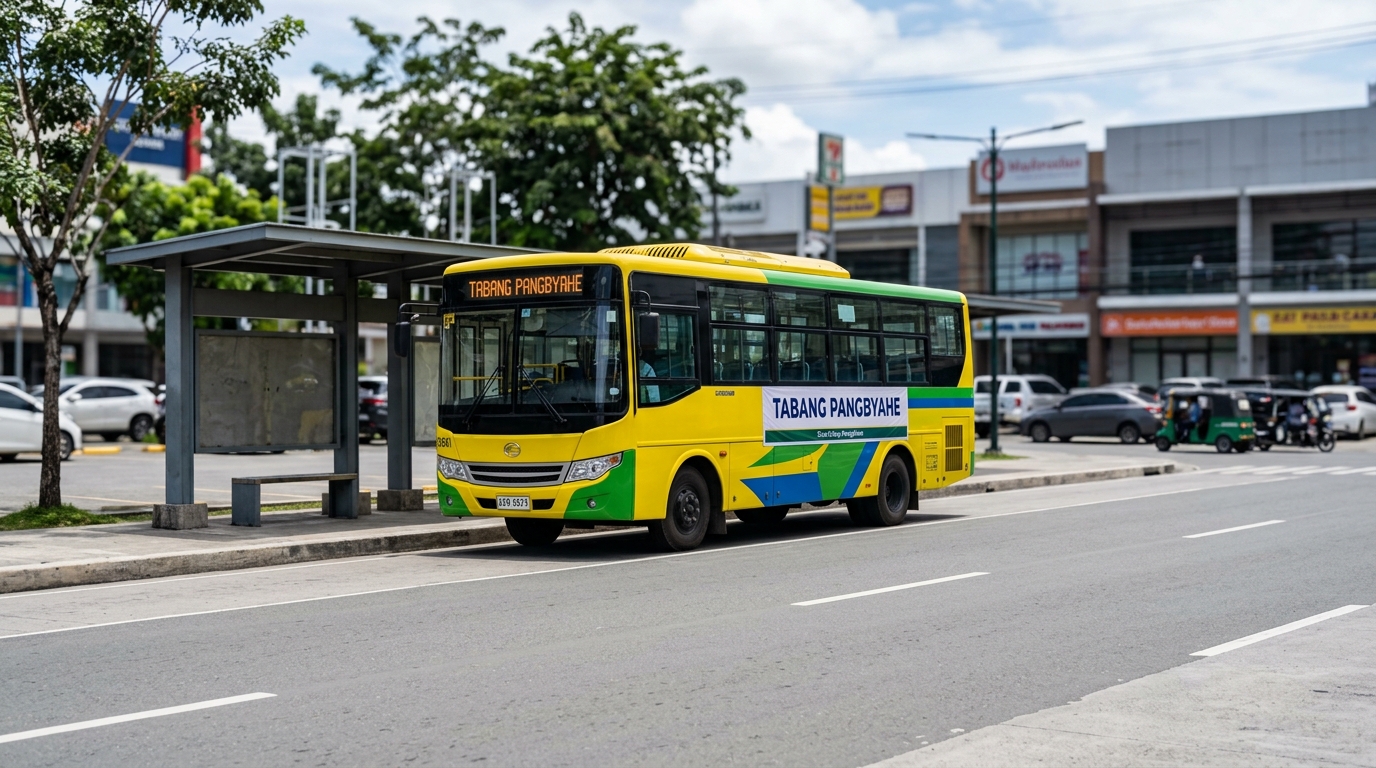
Cebu — The city is set to transform its public transportation landscape with the official signing of the "Tabang Pangbyahe" program, the Philippines' first local government-led bus subsidy initiative. Signed on June 17, 2026, and actively moving toward implementation, this program aims to slash commuter wait times from an hour down to a manageable 15–20 minutes. By injecting P20 million in subsidies, the province is prioritizing reliability, comfort, and safety through a "no-standing-passenger" policy and strict GPS-monitored schedules. This move represents a major upgrade for daily commuters traveling along the northern corridor to Danao and the southern route to Simala.
Putting the Commuter First
At the heart of this initiative is a firm commitment to efficiency, ensuring that the 70 percent of Metro Cebu’s population who depend on public transport experience a more predictable daily commute. By establishing designated stops and requiring high service standards—including air-conditioning and CCTV—the program aims to bridge the gap between private vehicle convenience and public transit accessibility. The provincial government and the Department of Transportation are working closely with operators to ensure that every bus under this scheme meets the necessary safety and comfort criteria. It is a thoughtful approach that acknowledges the daily struggles of thousands of workers, students, and families who rely on the roads.
A Modernized Approach to Transit
The program’s infrastructure relies on a centralized command center that utilizes GPS technology to track bus locations in real-time, effectively reducing uncertainty for passengers. This high level of oversight is intended to keep operators accountable, ensuring that they adhere to scheduled departures and maintain the required intervals between buses. By modernizing the transit framework, Cebu is taking a significant step toward reducing the heavy reliance on private vehicles that currently contribute to congestion in the metropolitan area. It serves as a testing ground for how provincial units can successfully manage complex transport networks to improve the lives of their citizens.
Collaborating for a Sustainable Future
Success in this endeavor is pinned on the spirit of collaboration between local and national agencies, creating a template for other provinces to follow in the future. As the pilot routes prepare for full operation by the end of June or early July, local officials are closely monitoring feedback from transport stakeholders to refine the system. The long-term goal is to expand the reach of the subsidy, making reliable transportation a standard feature across the province’s most critical routes. This initiative is a clear signal that Cebu is dedicated to evolving its public infrastructure to meet the demands of a growing, modern population.