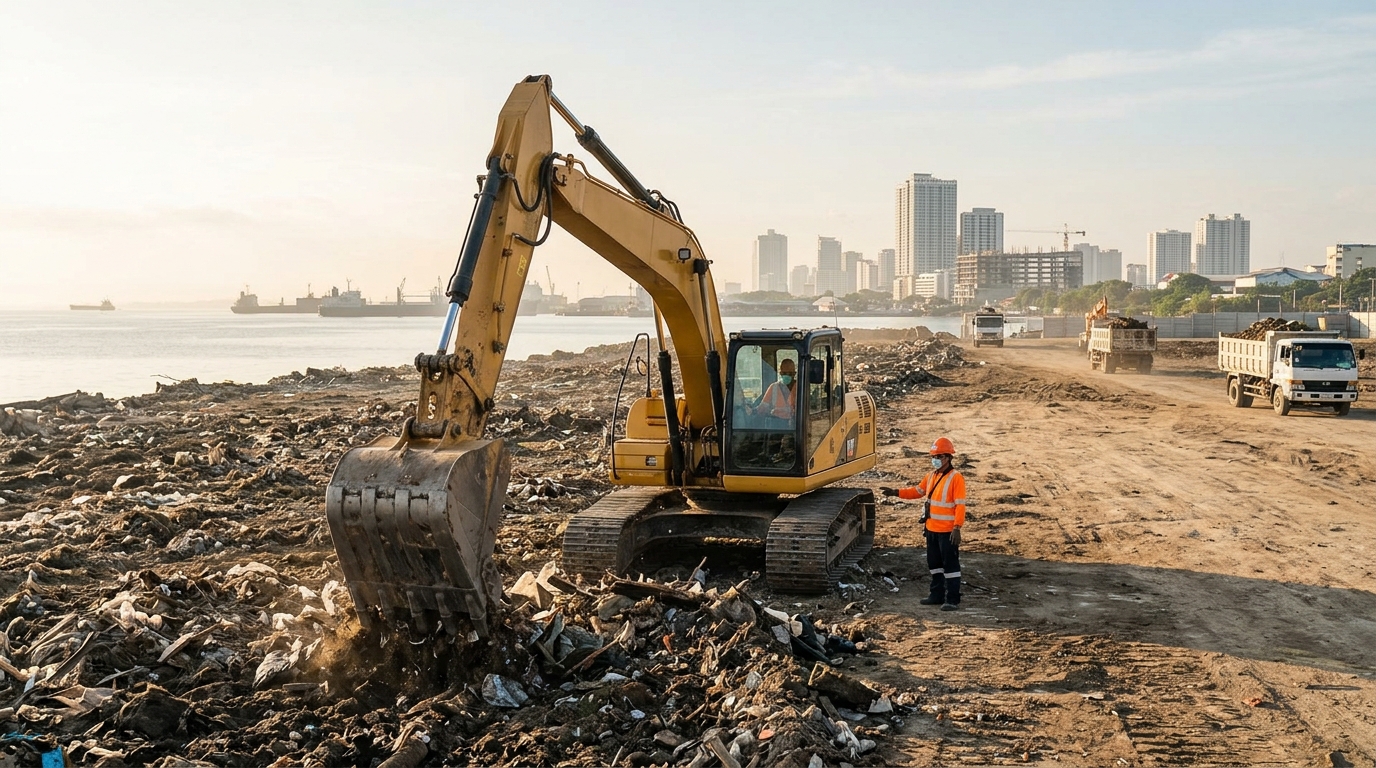
Cebu — The city is currently undergoing a significant transition in its garbage management operations, following a directive from the DENR-7 to halt the use of a staging area at the South Road Properties (SRP). The city is now working diligently to clear the accumulated waste and move toward more sustainable, permitted disposal practices. This shift, while challenging, is being handled with a focus on environmental compliance and the long-term goal of building a cleaner urban landscape. It is a crucial step that underscores the city's commitment to upholding the standards set by the Ecological Solid Waste Management Act for the sake of its residents.
Prioritizing Environmental Standards
The move to stop operations at the SRP is part of a larger effort to ensure that the city’s disposal activities are fully aligned with both regional and national environmental laws. While this requires a difficult adjustment period, it is an essential process that protects the air, water, and soil for everyone who lives and works in the area. By acknowledging the need for better facilities and more robust permits, the city is showing that it values long-term health over temporary, convenient fixes. It is a necessary transition that sets the stage for a more professional and ecologically responsible approach to waste management.
A Commitment to Restoration
Beyond the immediate halt of dumping, the city has committed to a comprehensive plan to rehabilitate the affected area, ensuring that the SRP remains a viable space for future development. This work involves not just the removal of existing trash, but a careful cleanup process designed to restore the area’s original condition. The city’s willingness to address these issues head-on is a positive sign that it is taking its environmental responsibilities seriously. It is a collaborative effort that involves experts, local officials, and environmental regulators working together to turn a challenge into a solution.
Navigating the Path Forward
This transition represents a learning experience for the city as it maps out a future that includes modern waste transfer, recycling, and disposal infrastructure. By focusing on permanent, authorized solutions, Cebu City is looking to move away from the cycle of crises and toward a more predictable and clean future. The ongoing cleanup is a testament to the fact that progress sometimes involves difficult work, but it is necessary for building a city that is healthy for its citizens. With a firm plan in place and a clear set of goals, the city is moving toward a cleaner and more sustainable version of itself.