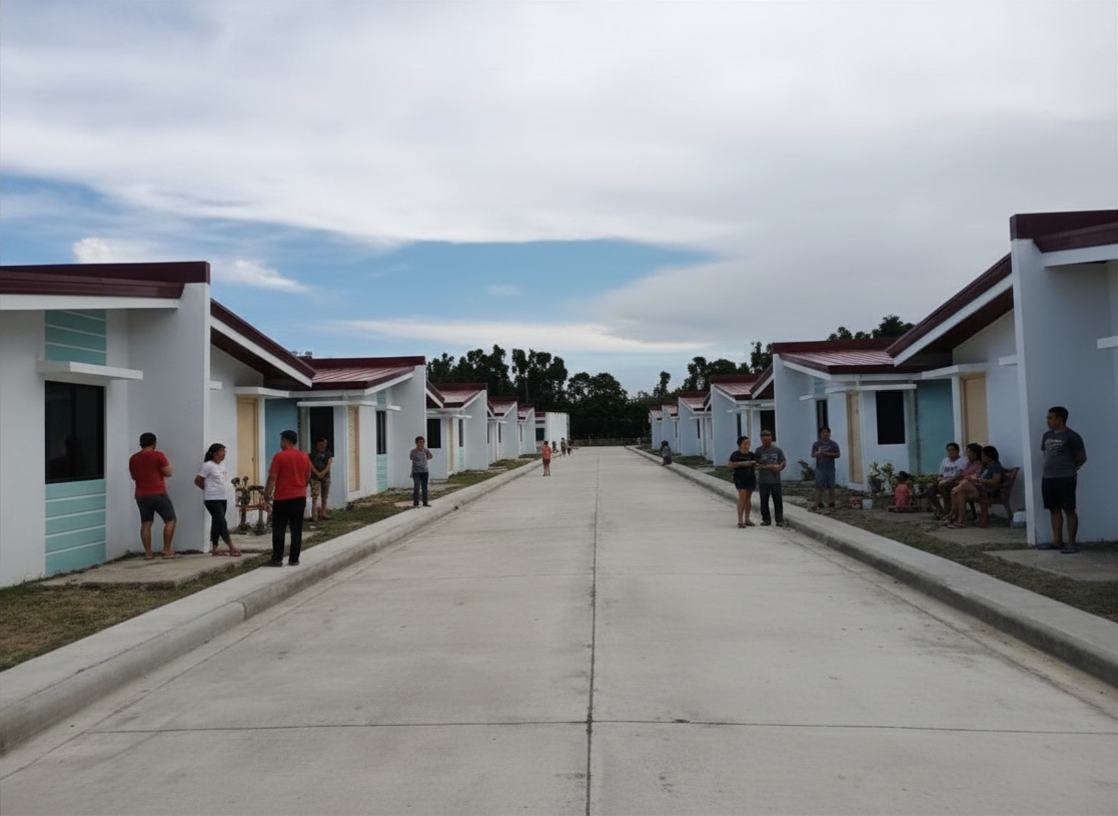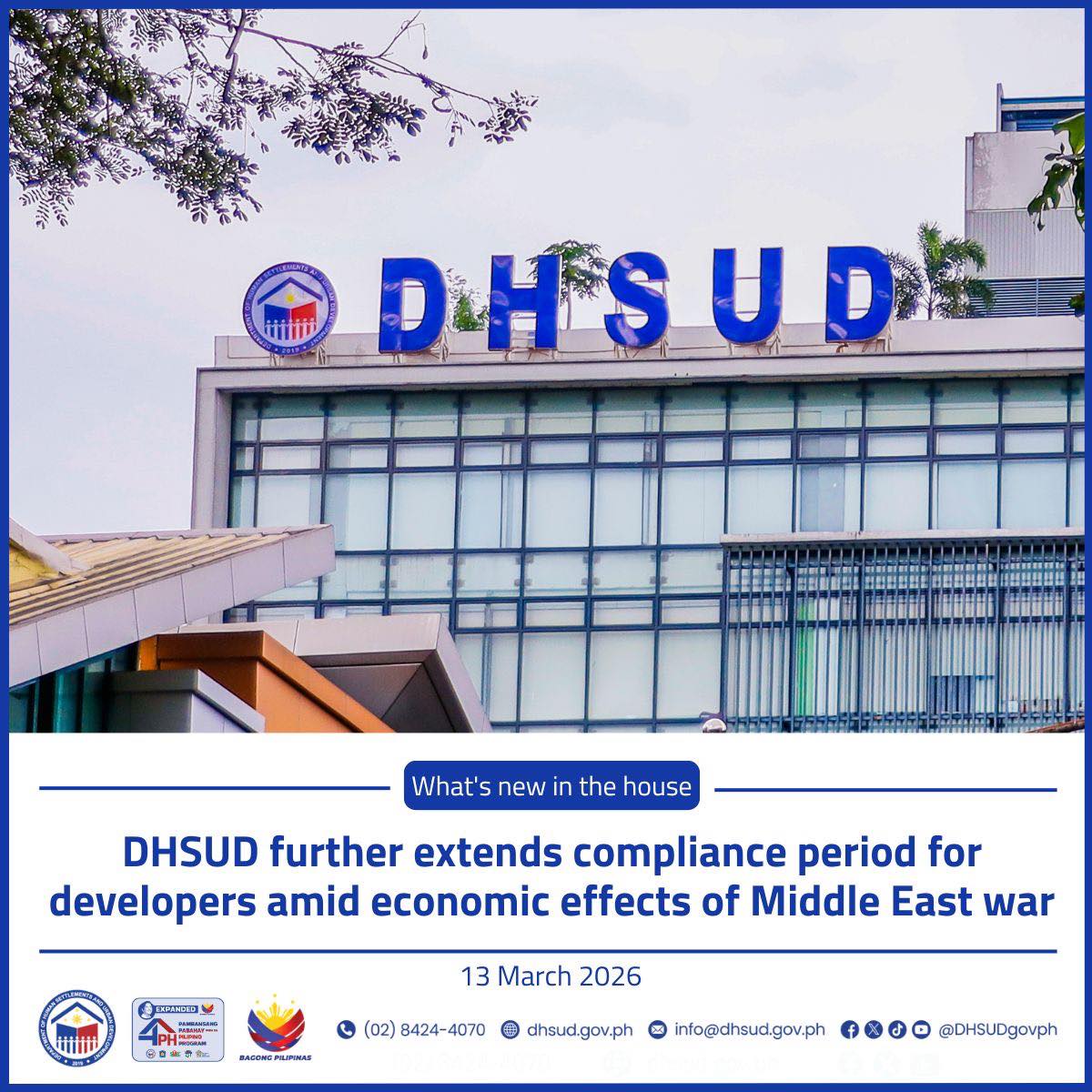
Eight more months have now been granted by the Department of Human Settlements and Urban Development (DHSUD) to private builders needing to fulfill low-cost housing duties, due to financial strains linked to unrest in the Middle East. While inflation continues to climb, officials say delays are understandable under current global conditions.
Under Memorandum Circular No. 2026-005 signed March 12, builders gain extra time - compliance with Balanced Housing Development Program rules now stretches to November 30, 2026. Earlier, the cutoff stood at March 31.
DHSUD Secretary Jose Ramon Aliling said the extension responds to requests from two major industry groups—the Subdivision and Housing Developers Association (SHDA) and the Organization of Socialized and Economic Housing Developers of the Philippines (OSHDP). Both had sought relief as rising petroleum prices and supply chain disruptions tied to the conflict continue to squeeze development costs.
"Following the directive of President Marcos Jr., DHSUD is balancing the implementation of regulations to address developers' concerns while protecting homebuyers amid the effects of the war that have driven up oil prices," Aliling said in a mix of English and Filipino.
The latest extension also suspends ancillary administrative sanctions for non-compliance during the period. Aliling noted aligns closely with the goals of the government’s Expanded Pambansang Pabahay para sa Pilipino (4PH) Program by keeping private sector participation viable.
"This measure will allow developers to continue delivering socialized housing projects while giving them additional time to fulfill their commitments under the law," he said.
When construction materials get pricier, meeting the 15-percent rule grows tougher for builders. This policy ties luxury projects to affordable homes by cost or space. Rising fuel prices add pressure, making compliance less certain. Developers must set aside part of every venture - yet shifting expenses throw off calculations easily.
Still pushing forward, Aliling mentioned ongoing talks with key players meant to shield the industry from outside pressures.
"We are continuously engaging with all stakeholders to sustain the construction of socialized housing under President Marcos Jr.'s Expanded 4PH," he said. "In times of difficulty, there is a government ready to stand with every Filipino under the President's leadership. Together, we will overcome this crisis."
The conflict in the Middle East, which began in late 2023, has disrupted global shipping routes and kept oil prices volatile—indirectly affecting construction costs halfway across the world. For developers balancing market-rate projects with mandated socialized units, those ripple effects have translated into tighter margins and delayed timelines.
The eight-month reprieve gives them room to catch up without facing penalties. Whether it will be enough depends on how long the economic fallout lasts.