


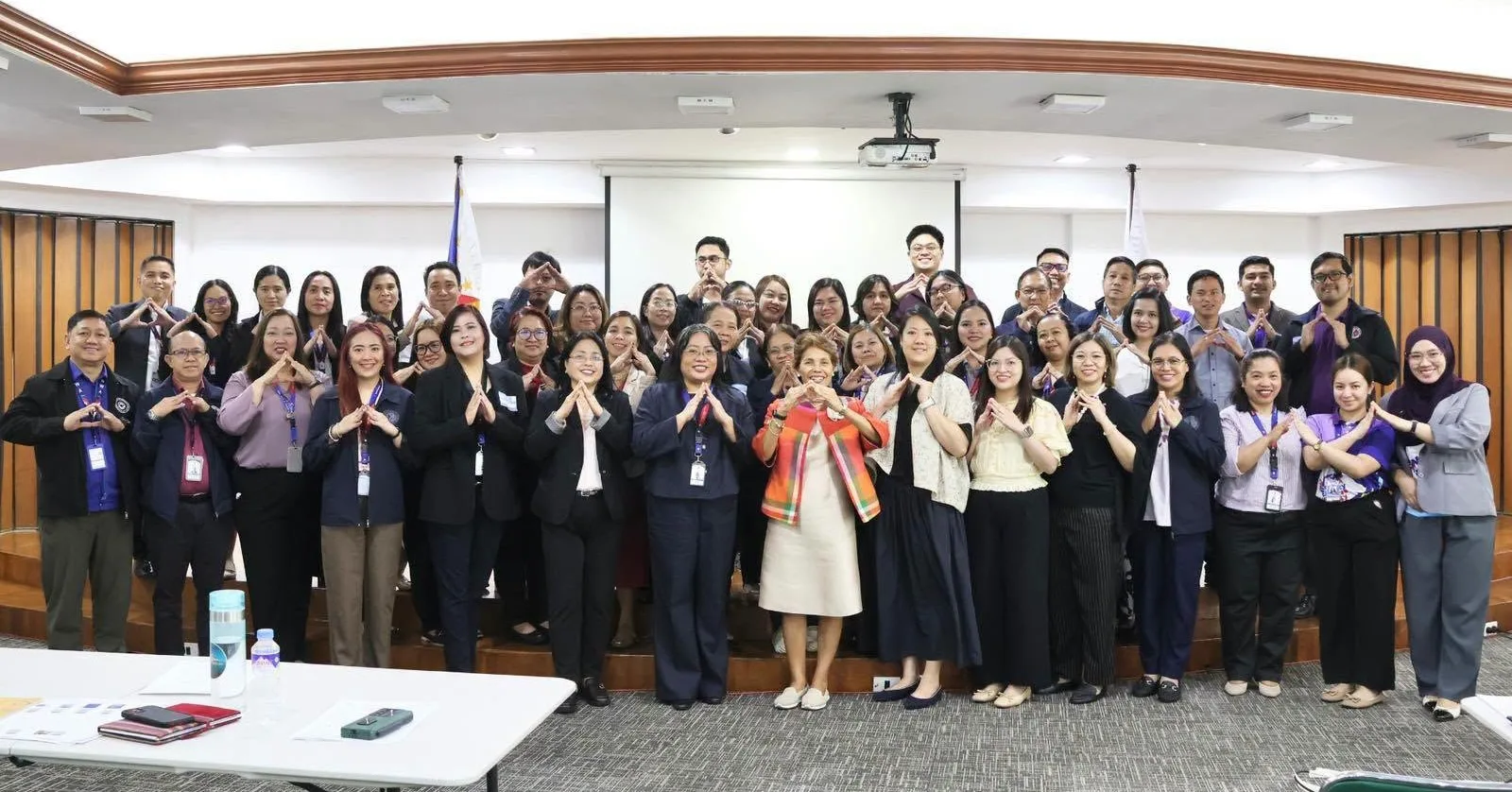
PHILIPPINES — The Department of Migrant Workers (DMW) concluded the second day of its Special Immersion Program on July 8, 2026, at its Central Office, bringing together personnel from Migrant Workers Offices (MWOs) and the Overseas Workers Welfare Administration (OWWA). The program is designed to deepen the capacity of frontline responders who handle the complex needs of overseas Filipino workers across the globe.
Strengthening Global Frontline Capacity
The intensive sessions moved beyond routine procedural updates, immersing participants in the highest international standards of migration governance. Personnel were trained on the International Organization for Migration’s Global Compact for Migration, learning how to apply its principles to real‑world consular and labor cases. The goal was to equip them with a rights‑based framework that protects OFWs at every stage.
Another key module covered the United Nations Guiding Principles on Business and Human Rights. Facilitators explained how these principles can be used to hold employers and recruiters accountable, especially in cases of contract violations and abuse. By understanding these frameworks, MWO and OWWA officers can better advocate for workers facing exploitation in host countries.
Bridging Policy and Action with Expert Guidance
The training drew on a roster of local and international experts who brought deep field experience. Atty. Marion Biolena, Laine Lorenzo, and Yuko Tomita of the International Organization for Migration led discussions on migration governance and ethical recruitment. Their sessions connected global policy to the daily challenges that frontline staff encounter.
Retired Ambassador Grace Relucio‑Princesa offered practical insights into cultural diplomacy and consular conflict resolution. Assistant Secretary Maria Regina Angela G. Galias reinforced the importance of cohesive cross‑border labor operations. Dr. Luigi Angelo Bustamante of the Department of Health tackled migration health, psychological first aid, and medical escort protocols, ensuring responders are ready for health emergencies abroad.
A Unified Team Approach for Crisis Situations
A central theme of the program was the One Country Team Approach, which mandates that all Philippine government agencies abroad function as a single, coordinated unit. Participants practiced joint decision‑making and information‑sharing to eliminate bureaucratic delays. This unity is critical when a distressed worker needs immediate help across multiple agencies.
The training also focused on fair and ethical recruitment, a persistent challenge for OFWs. Officers were taught to spot red flags in job offers and to work with local authorities to shut down illegal recruiters. By strengthening the front end of the migration cycle, the DMW aims to prevent exploitation before workers ever leave the country.
Tools and Funds for Immediate Response
A dedicated segment covered the streamlined use of the emergency Aksyon Fund, which provides immediate financial, medical, and legal assistance to distressed workers. Trainees learned the updated guidelines for disbursement to ensure that help reaches OFWs without unnecessary paperwork. This fund is often the first lifeline for victims of trafficking, sudden illness, or employer abuse.
The program also delved into reintegration support, helping returning workers access livelihood programs and psychosocial services. Frontline personnel were reminded that their role does not end at repatriation; true service extends to building a stable, dignified life back home.
Compassionate Service Across the Migration Cycle
By the end of the immersion, the MWO and OWWA personnel left with a refreshed commitment to people‑centered service. The training reinforced that behind every case number is a human story. With sharpened skills and a stronger network of support, these frontline responders are better prepared to protect and uplift the nation’s modern‑day heroes.
