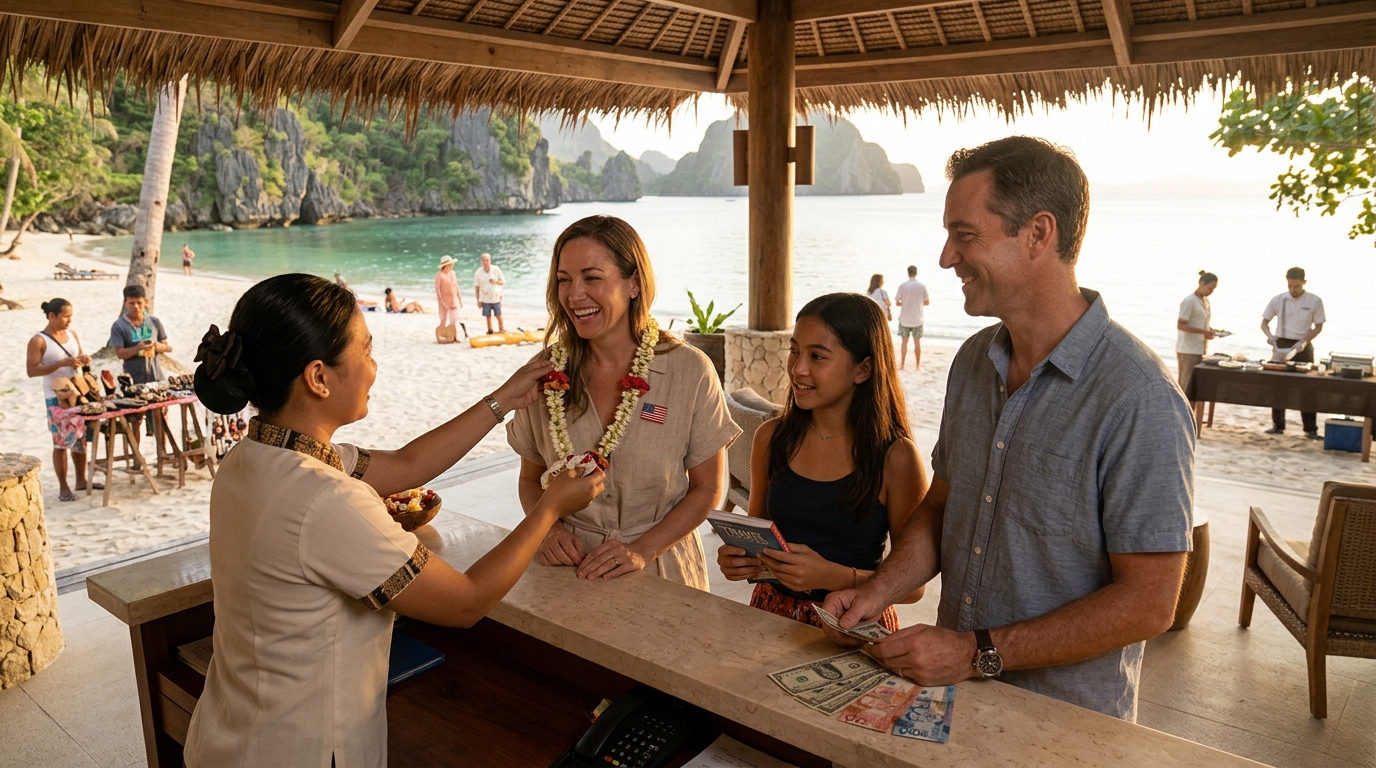
The United States has officially cemented its position as the Philippines' primary source of international visitors, a development largely attributed to enduring historical connections and the prevailing strength of the US dollar against the Philippine peso. This growing influx of American travelers signals a significant boost for the Philippine tourism sector and its broader economy. The "strong ties" between the two nations are multifaceted, encompassing deep historical roots, cultural exchange, and a large Filipino diaspora residing in the United States.
Capitalizing on Favorable Exchange Rates and Long-Haul Expenditures
These connections often translate into visits from Filipino-Americans reconnecting with their heritage or American citizens exploring a country with which they share a long relationship. Simultaneously, an "even stronger dollar" means that American tourists enjoy greater purchasing power in the Philippines, making travel, accommodations, and local experiences more affordable and attractive. This economic advantage encourages longer stays and increased spending, directly benefiting local businesses and service providers.
Injecting Hard Currency to De-Escalate Outbound Labor Pressures
For the Philippines, this trend is a crucial economic indicator. A booming tourism sector generates significant revenue, supports job creation across various industries—from hotels and restaurants to transportation and local handicrafts—and attracts foreign currency. This economic activity can contribute to national development, improve infrastructure, and empower local communities that rely on tourism. For families of Overseas Filipino Workers, a robust local economy with more job opportunities could potentially reduce the pressure to seek employment abroad, or provide a more stable environment for those considering returning to the Philippines. It also creates avenues for OFWs to invest in local tourism-related ventures, knowing there's a strong and growing market.
Tailoring Heritage Products for Sustainable Repatriation Portfolios
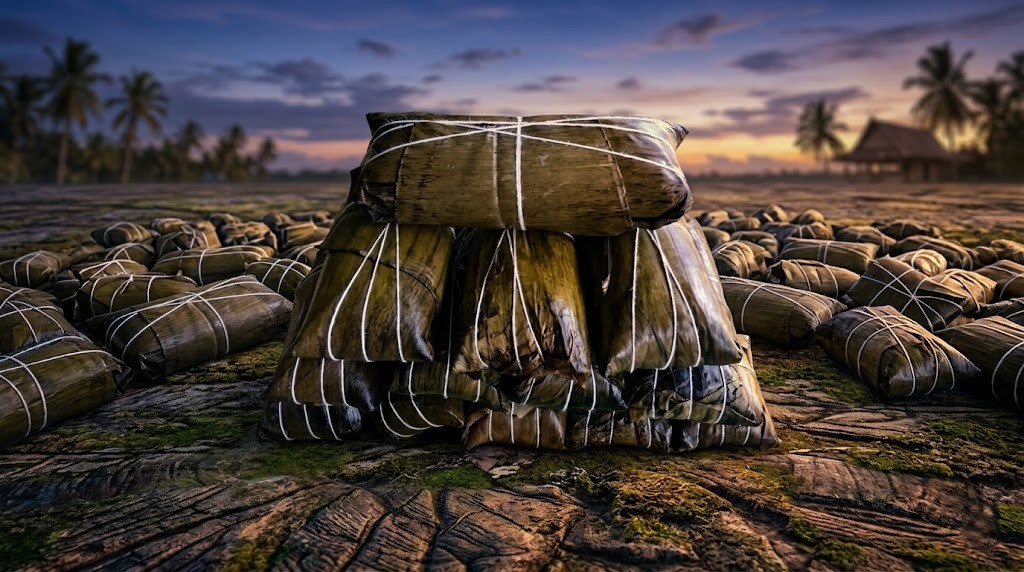
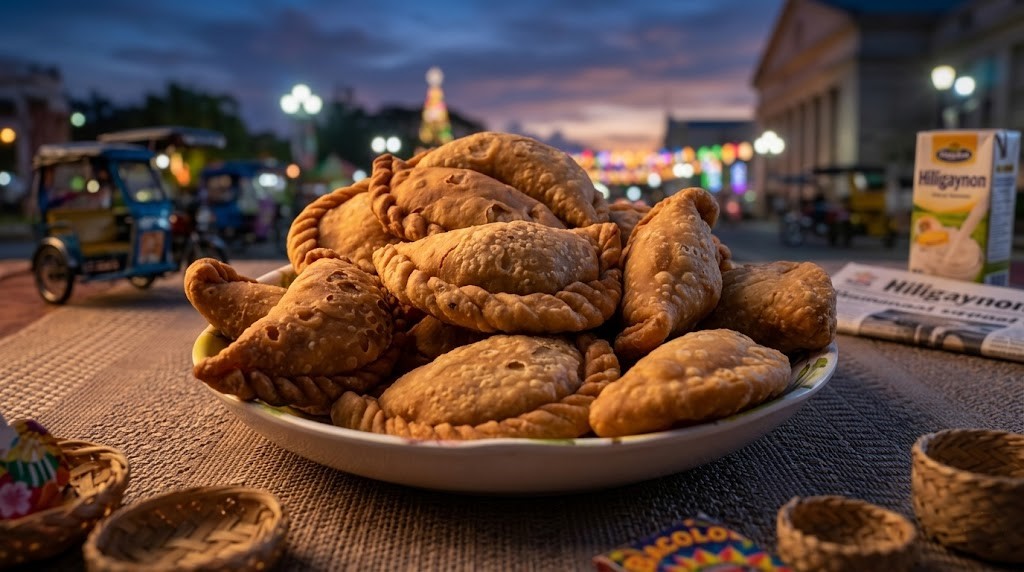
This shift presents tangible opportunities for Filipinos both domestically and abroad. Those currently in the Philippines can explore careers or entrepreneurial ventures in the expanding hospitality and service industries. Small businesses, particularly those offering authentic Filipino experiences, products, and cuisine, stand to gain from increased tourist spending. For Filipinos working overseas, this development might signal a more vibrant and opportunity-rich home country, influencing decisions about future investments or eventual repatriation. Maintaining high standards of service and promoting sustainable tourism practices will be vital to capitalizing on this momentum and ensuring long-term benefits for all Filipinos.