


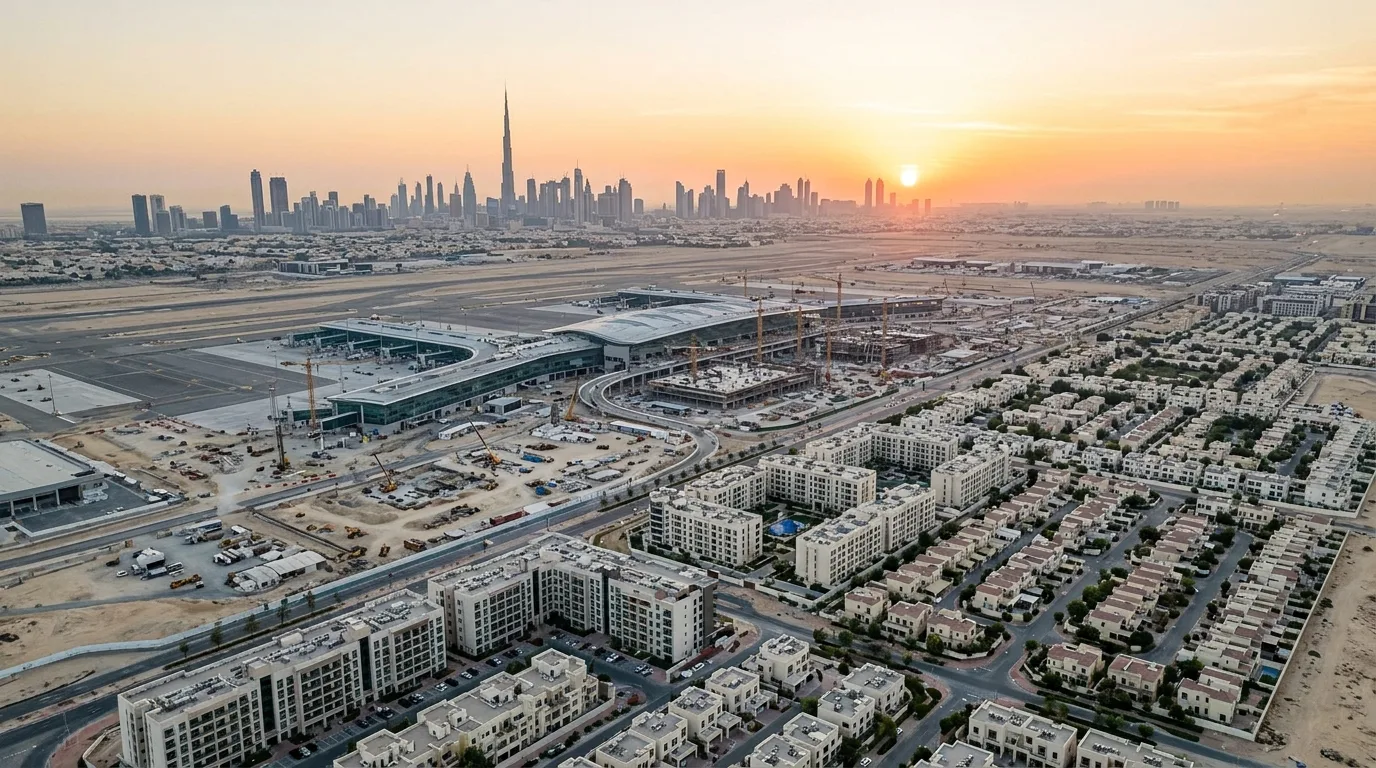
Dubai's ambitious plans involving the world's largest airport are poised to reshape the emirate's future housing landscape, a development that carries significant implications for the large community of Filipino overseas workers (OFWs) residing and working in the region. As major infrastructure projects typically drive economic growth and population influx, understanding the dynamics of rental income and housing demand becomes crucial for expatriates seeking long-term stability in the UAE.
How the Mega-Airport Drives Housing Demand
The expansion or development of a mega-airport serves as a powerful magnet for businesses, industries, and a workforce across various sectors, from logistics and aviation to hospitality and retail. This anticipated surge in economic activity is expected to create new job opportunities, attracting more individuals to Dubai and subsequently increasing the demand for residential properties. For Filipinos, who often constitute a significant portion of the workforce in these sectors, this signals both potential career growth and the need to adapt to evolving housing market conditions. Historically, increased demand in a competitive market can lead to upward pressure on rental prices and a tighter supply of affordable housing options.
Rental Pressures and OFW Living Costs
For the hundreds of thousands of Filipinos working in Dubai, changes in housing demand and rental income directly translate to their cost of living and, ultimately, their ability to save and remit money back to the Philippines. A robust housing market driven by airport-related growth could lead to higher rental expenditures, potentially impacting the financial planning of many households. Conversely, increased economic activity could also mean more job stability and better earning prospects in sectors supporting the airport's operations. The evolving rental landscape is a key factor in determining the overall financial well-being and long-term viability for Filipinos choosing Dubai as their workplace.
Strategic Financial Planning for Filipino Expatriates
Filipinos in the UAE, and those considering opportunities there, should proactively monitor Dubai's housing market trends. Staying informed about rental price movements, new housing developments, and government policies related to tenancy will be essential for making sound financial decisions. Budgeting for potential adjustments in living expenses is advisable, as is exploring various housing options, including shared accommodations or properties in emerging residential areas that might offer more competitive rates. Understanding how these large-scale developments can influence personal finances is key to ensuring continued financial success and stability for Filipino workers and their families back in the Philippines.
