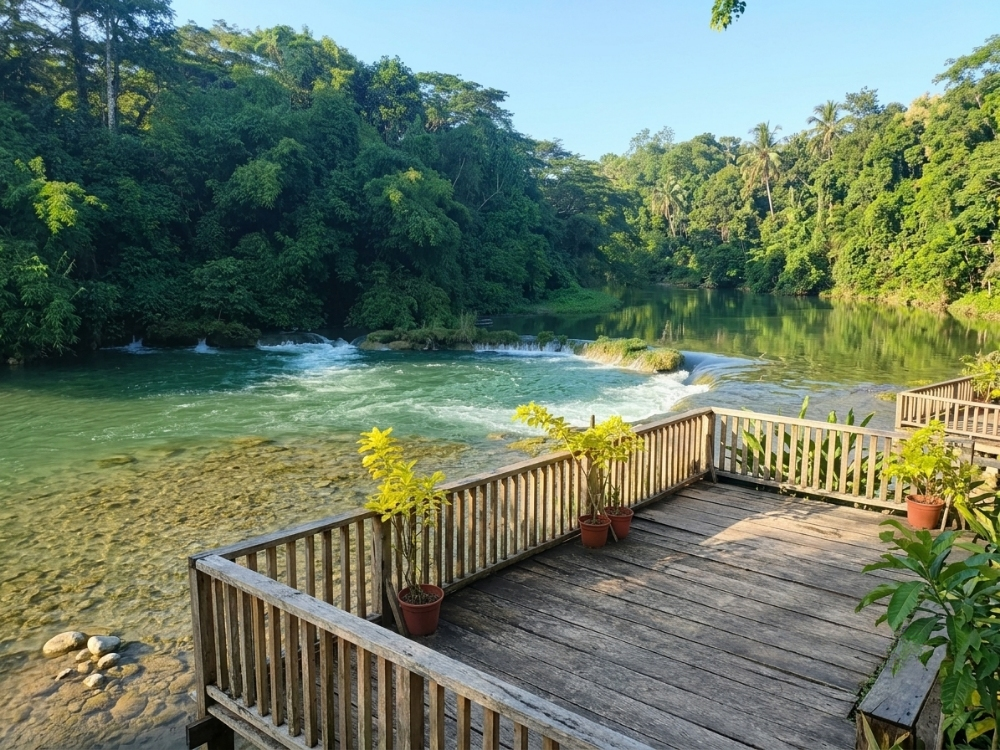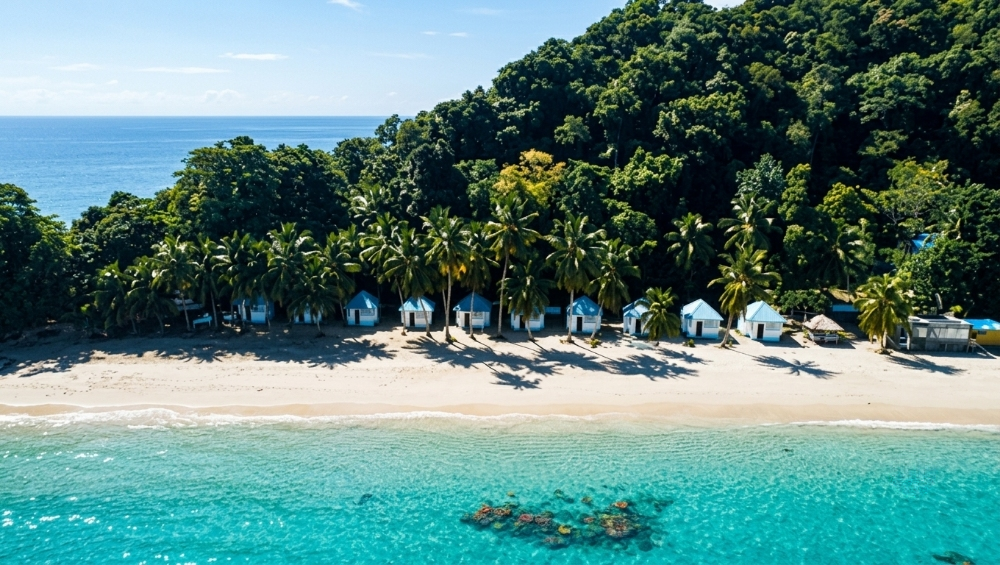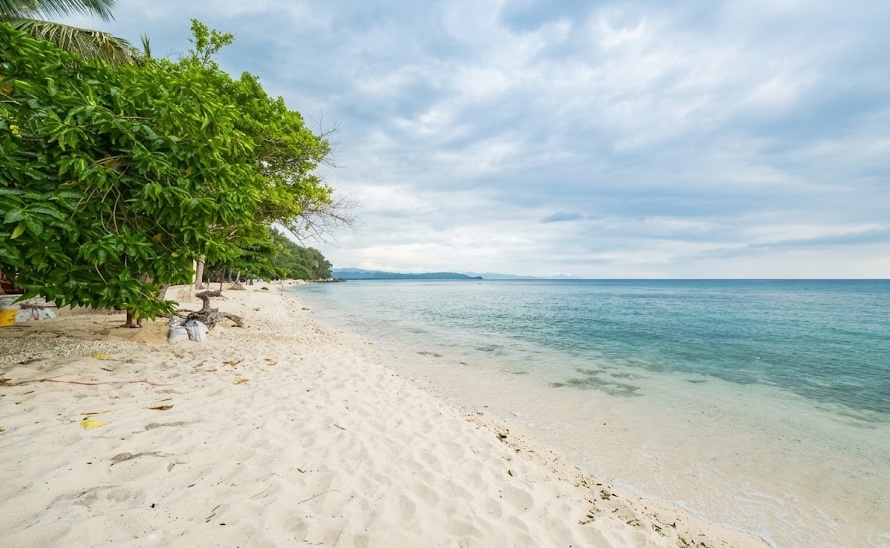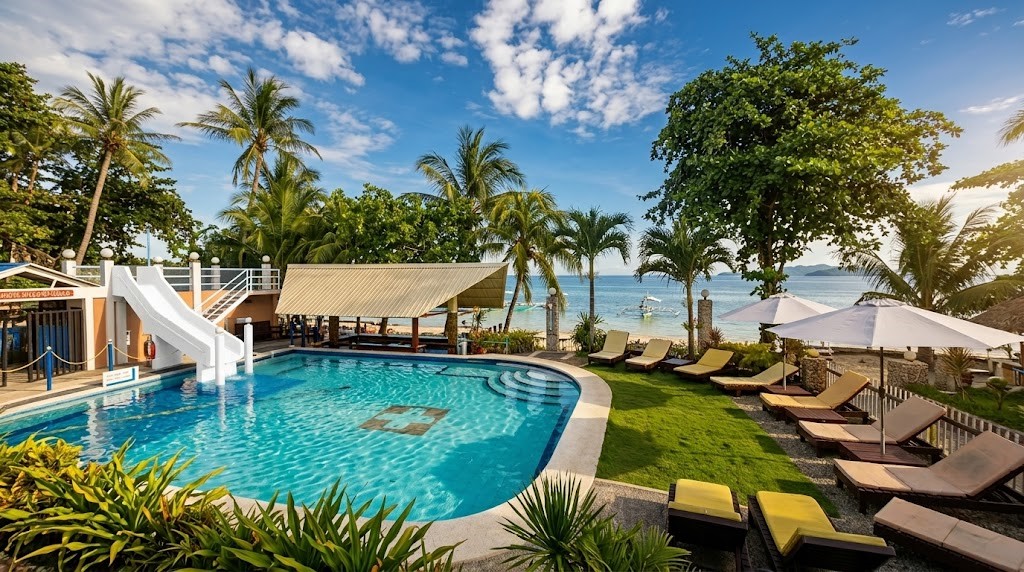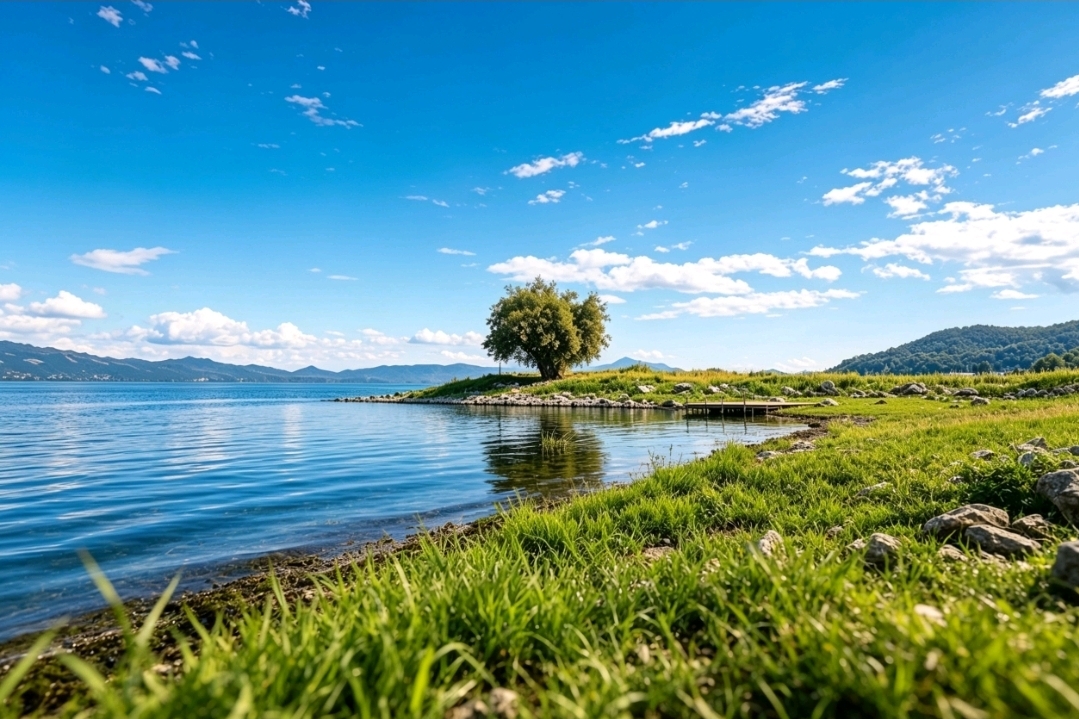
SURIGAO DEL NORTE — Nestled between the provinces of Surigao del Norte and Agusan del Norte lies a natural treasure that holds the distinction of being the deepest lake in the Philippines. Lake Mainit, with a maximum depth reportedly reaching 223 meters and spanning approximately 17,340 hectares, is also the fourth largest lake in the country. Its teardrop shape and pristine waters, surrounded by lush greenery and rolling hills, make it one of Mindanao's most captivating natural destinations. For travelers seeking an off-the-beaten-path experience, Lake Mainit offers a serene escape into a landscape where nature remains largely untouched by mass tourism.
A Lake of International Significance
In November 2025, Lake Mainit was officially designated as a Flyway Network Site under the East Asian–Australasian Flyway Partnership (EAAFP), recognizing its vital role in supporting migratory waterbirds. The recognition, awarded during the 12th Meeting of Partners (MOP12) held in Cebu City from November 10 to 14, 2025, underscores the lake's critical importance as a stopover and feeding ground for migratory birds traveling along one of the world's major migration routes. Lake Mainit supports over 50,000 migratory birds, including species such as the Little Egret, Wandering Whistling Duck, and Tufted Duck, with the lake supporting more than one percent of the Tufted Duck's global population. This international recognition highlights its ecological significance and its value as a destination for birdwatchers and nature enthusiasts.
Rich Biodiversity and Unique Wildlife
Lake Mainit is a biodiversity hotspot, home to a remarkable variety of endemic and migratory species. Its clear, oxygen-rich waters sustain a diverse range of freshwater fish, including native goby species like pijanga and bugwan, as well as eel, mudfish, and gurami. The lake is also known for the "bolinao" (Neostethus thessa), a fish species cited as found nowhere else in the world. As this endemic species is currently classified as Endangered by the IUCN Red List of Threatened Species, visitors are encouraged to support local conservation efforts and practice sustainable tourism. Around its marshy peripheries, visitors can spot the Mindanao forest kingfisher, white-breasted sea eagle, and Mindanao scops owl, particularly during the migratory season. The surrounding terrestrial ecosystems feature rare and endangered species of palm, orchids, and the fire orchid, a relative of the famous Waling-Waling.
Activities and Attractions for Visitors
Lake Mainit offers a range of activities for nature lovers and adventure seekers. Boating and kayaking are popular ways to explore the lake's still waters, while fishing remains both a livelihood and a recreational pastime. Birdwatching along the lake's fringes is especially rewarding during the migratory season from January to March, which is the peak window for wildlife enthusiasts. For those seeking relaxation, the nearby geothermal features and hot springs in the municipality of Mainit offer a therapeutic experience with their warm sulfuric waters. Visitors can also rent kayaks or aqua bikes for a leisurely morning on the water. The lakeside towns of Mainit and Alegria offer cultural immersion through their heritage homes, community markets, and warm hospitality.
How to Get There and Practical Tips
Lake Mainit is accessible via the Philippine-Japan Friendship Highway. From Surigao City, travelers can take a van or bus bound for Mainit, a journey of approximately two hours. Alternatively, one can drive south via the Surigao, Mainit Road, with travel times ranging from 45 to 55 minutes from Surigao proper. Visitors are advised to bring moisturizer or lotion, as swimming in the lake can dry the skin. The best time to visit is during the dry season from December to May for the most reliable weather and outdoor access, with the migratory season from January to March offering the peak birdwatching experience. Weekdays are recommended to avoid crowds, as the lake can get busy on weekends.