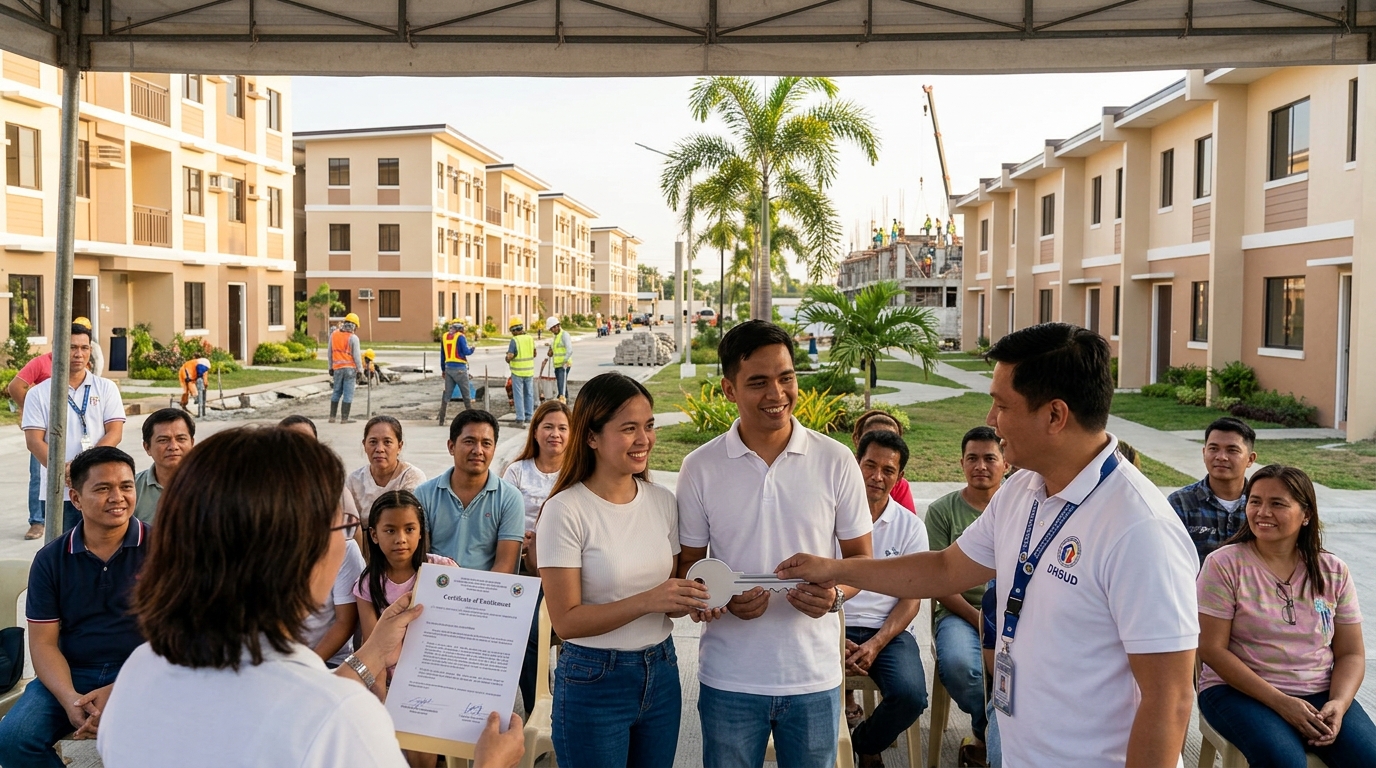
MANILA – According to DHSUD, the speed-up of the 4PH program continued to move up steadily during the first quarter of 2026, with some good results being achieved which seem to indicate that there is indeed a strong foundation established in the Philippines’ affordable housing business.
To real estate companies and other industry players, the current trends provide one clear indication: the development of government-backed, affordable housing is becoming a reliable and scalable area, driven both by political support and consumer demand.
A Multi-Modal Approach Creates Diverse Opportunities
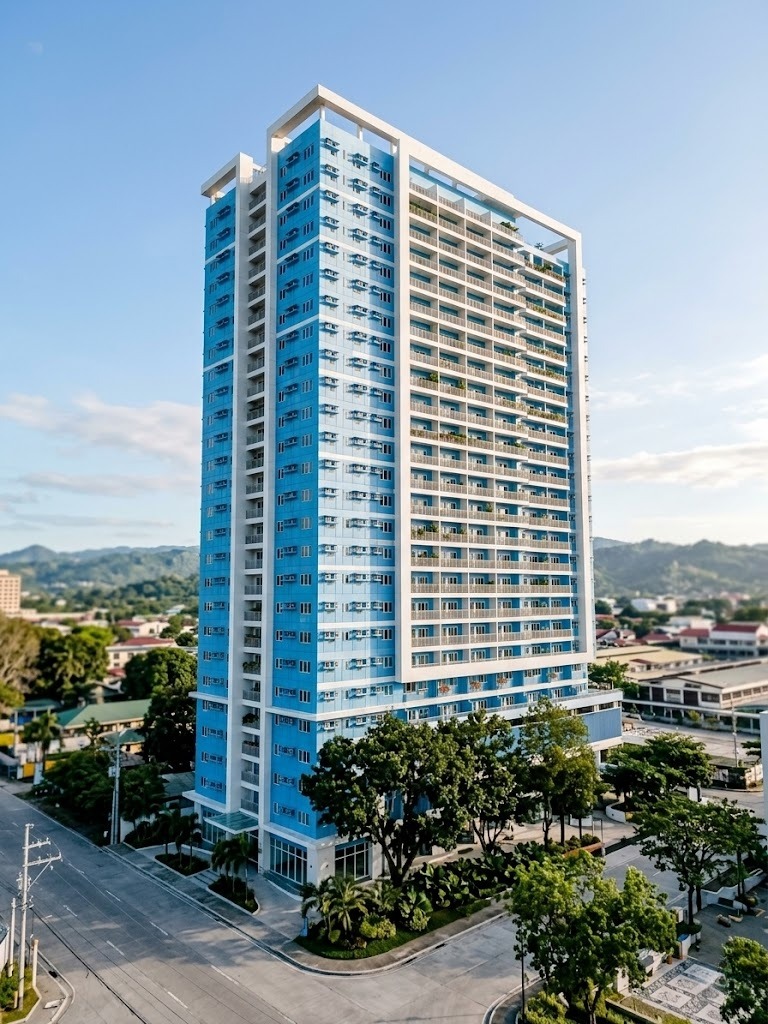
DHSUD Secretary Jose Ramon Aliling emphasized that the government is no longer relying on a single housing model. Instead, the Expanded 4PH now includes vertical and horizontal housing, incremental housing, and rental housing—each offering distinct entry points for private developers.
“There is no single solution to housing,” Aliling said in a news release. “This is why we have expanded the options to give more Filipinos the opportunity to own their own homes.”
The multi-modal approach has started to show its positive impacts. Rental housing is now being constructed in places such as Iloilo, Quezon City, and the UP campuses of Diliman and Los Baños. This would lead to the creation of new asset types for developers who seek steady income instead of outright sales.
Tangible Deliveries Across Key Regions
The first quarter of 2026 saw concrete handovers that validate the program’s execution capacity, with over 1,000 working-class beneficiaries in Bulacan receiving certificates and symbolic keys for a housing development in Sta. Maria—a municipality strategically located near Metro Manila. In Pampanga, more than 1,300 people, 397 households in San Fernando City among them, made progress towards owning their lands under the Enhanced Community Mortgage Program. Meanwhile, 271 households in Laguna obtained access to land tenure, and 180 households in Lucena City were awarded Certificates of Entitlement under a Presidential Proclamation. For real estate firms, these numbers represent not just social impact but a verifiable pipeline of land development and construction opportunities across Luzon’s growth corridors.
Record-Low Financing Drives Buyer Demand
One of the most market-relevant developments is the financing mechanism. Over 10,000 families have already availed of subsidized housing loans through the Pag-IBIG Fund, benefiting from a record-low 3 percent interest rate.
From a real estate perspective, this rate is transformative. It significantly lowers the monthly amortization burden for working-class buyers, making homeownership accessible to a much larger segment of the population. For developers, it means a steady stream of qualified, government-vetted buyers with strong repayment capacity—reducing the risk of defaults and accelerating inventory turnover.
Industry Outlook
Secretary Aliling made it clear that the administration intends to build on the first-quarter momentum: “Hindi po tayo titigil sa momentum na naabot natin ngayong unang quarter. This pushes us more para lalo pa nating pabilisin at palawakin ang Expanded 4PH.”
For the real estate sector, this translates into a multi-year, government-backed demand engine. While luxury and mid-tier segments continue to face supply overhangs in Metro Manila, the affordable and socialized housing segments—fueled by the Expanded 4PH—are showing sustained growth, backed by actual turnover of units and financing at historically low rates.
The message for developers is increasingly clear: the most resilient and scalable opportunities in Philippine real estate are no longer at the top end of the market, but in well-located, affordable communities supported by government partnership and accessible home financing.