



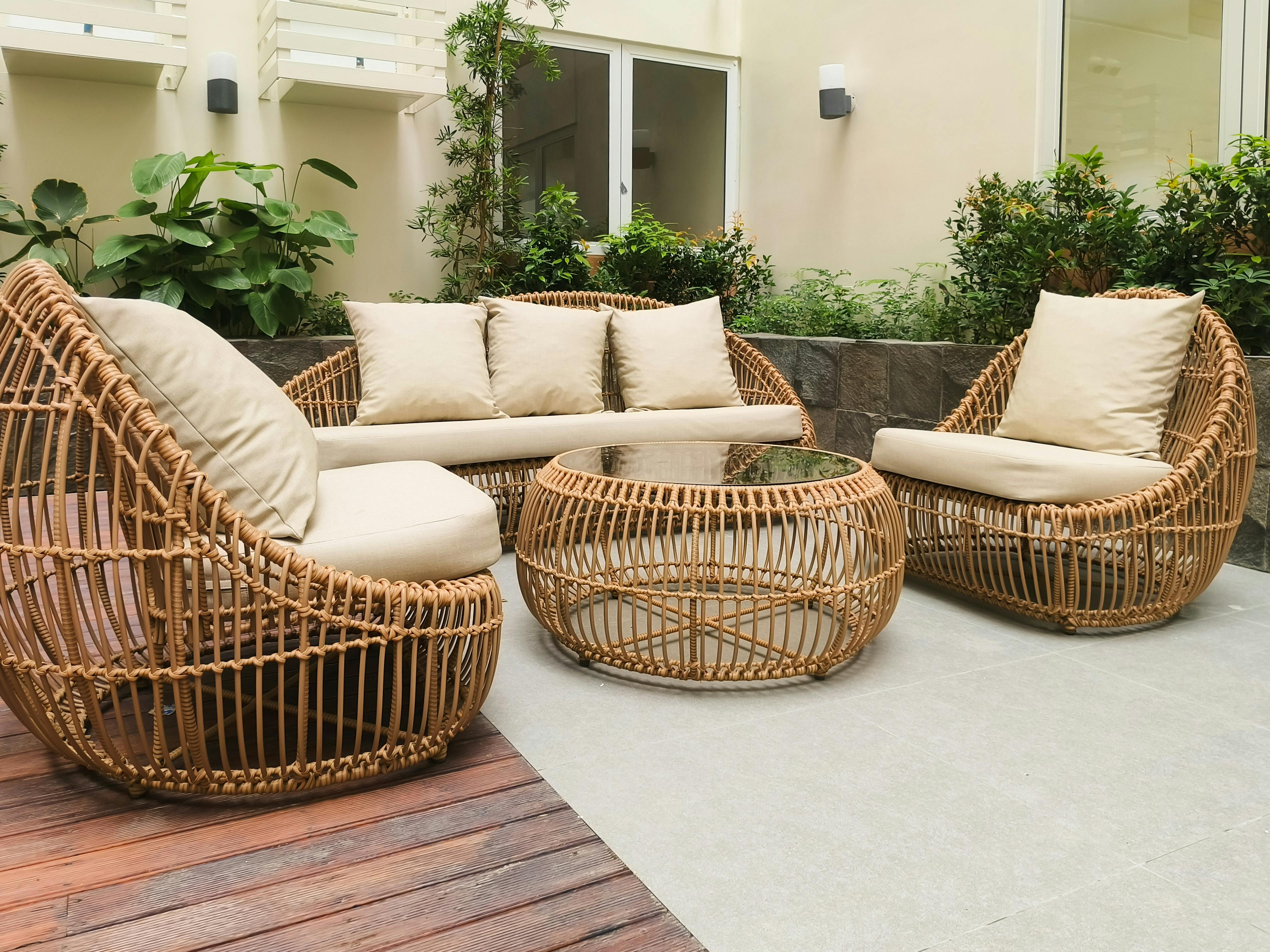
A historic pivot is occurring in the Queen City’s legendary furniture industry this Tuesday, April 21, 2026. As domestic incomes grow and the luxury residential boom accelerates, long-standing exporters who once focused on the US market are now redirecting their craftsmanship toward Cebu’s most prestigious addresses. This movement represents a significant maturing of the local real estate ecosystem, where "design-led amenities" are now the primary differentiator for high-end developers looking to capture the city’s rising purchasing power.
Tapping into the Domestic Luxury Resurgence
On April 21, 2026, reports emerged that a furniture exporter with over thirty years of success in North America has officially opened a "livable showroom" tailored for the local Cebuano market. This strategic pivot is a response to the 7.3% economic growth Central Visayas recorded in 2024, which has significantly boosted the appetite for high-end home and workspace interiors. The new showroom focuses on "customized lifestyle solutions," allowing local residents to furnish their estates with the same world-class quality once reserved for international buyers. Analysts suggest that this internal focus will keep Cebuano capital within the province while providing local homeowners with access to unprecedented levels of artistic sophistication.
Cebu as the Regional Design Epicenter
Historically recognized as a global center for furniture craftsmanship, Cebu is now positioning itself as the design hub for the entire VisMin region. Developers of upscale and luxury projects—priced at ₱12 million and above—are increasingly integrating these artisanal assets as standard features to attract sophisticated investors. This movement is also seen in the hospitality sector, where resort operators in Mactan are refurbishing their assets to cater to a more globalized and design-conscious demographic. By linking the city's manufacturing heritage with its real estate expansion, stakeholders are creating a unique "Cebu Lifestyle" brand that is difficult to replicate in Manila.
The Rise of the Hybrid Professional Space
A critical driver for this pivot is the evolving demand for high-quality interiors within the local professional and BPO class. As BGC-style integrated townships continue to rise in Cebu's business districts, there is a growing need for "experience-led" workspaces that feel both functional and residential. The pivot toward the local market ensures that new commercial hubs like the Cebu IT Park can offer unique, design-forward environments that enhance employee productivity and wellness. As more exporters follow this blueprint, the Queen City's interior design sector is poised to become a core pillar of its post-pandemic economic identity throughout 2026.
