


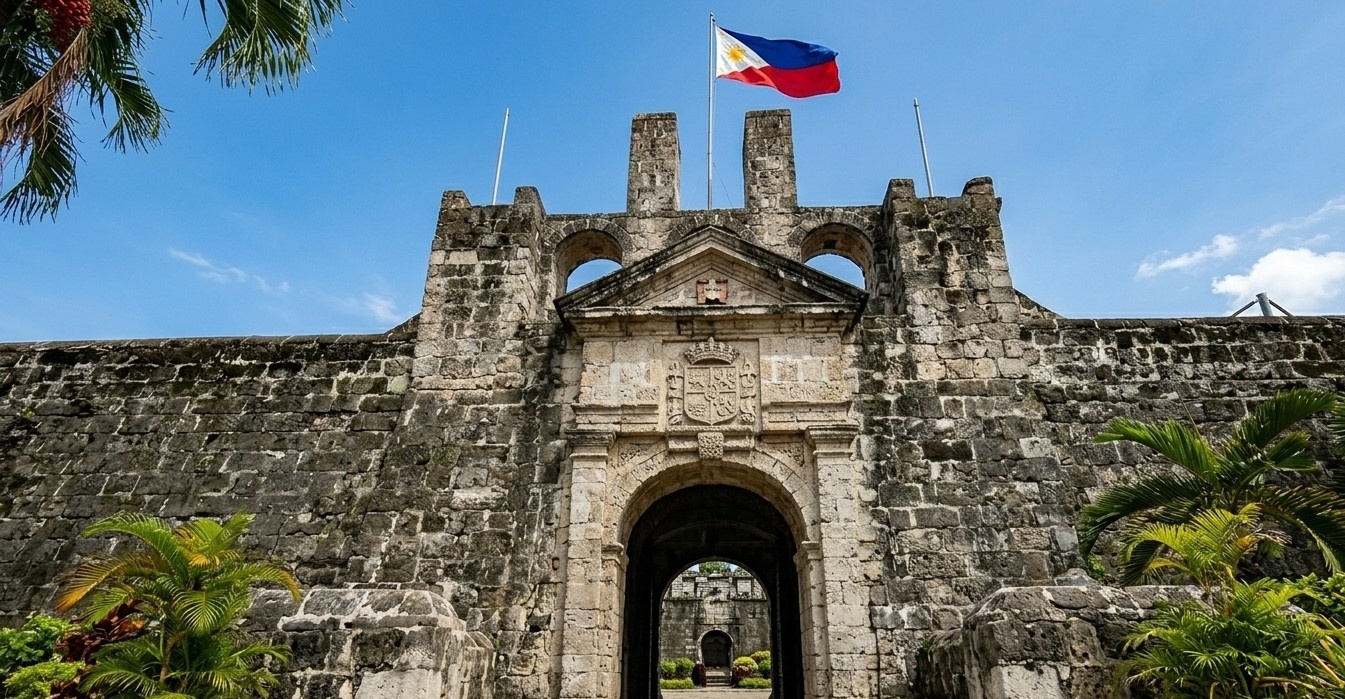
In the heart of the city's port area, Fort San Pedro stands as the oldest and smallest triangular bastion fort in the Philippines. As of April 2026, this 18th-century stone fortress has become a focal point of the newly formed "Cebu Heritage Site Commission," ensuring that its coral stone walls are preserved for future generations. For many travelers, this is the "First-to-Go" spot because of its accessibility and its status as a tranquil oasis amidst the urban chaos. This week, the fort is trending for its newly updated visitor services, providing a high-quality educational experience that costs less than a cup of coffee but offers a priceless connection to the city's colonial past.
Preserving the Bastions of the Past
The fort’s three bastions—San Miguel, La Concepcion, and Ignacio de Loyola—are being meticulously maintained under a new 2026 preservation initiative. As of late April, the city has successfully kept entrance fees at a budget-friendly P50 for regular visitors, ensuring that the site remains the most accessible historical landmark in the province. This week, visitors are praising the "Garden Walk" along the top of the ramparts, which offers a peaceful view of the bustling port and the nearby National Museum. It is a place where the heavy stone walls provide a natural sound barrier, creating a quiet sanctuary that feels worlds away from the city's traffic.
A Museum Within the Walls
The fort houses a compact but fascinating museum that contains Spanish documents, maps, and artifacts from the early years of colonization. As of April 2026, the museum has introduced "Interactive Heritage Kiosks" that provide multi-language translations of the fort’s complex history. This month, the "Well of Life" at the center of the courtyard has been a popular spot for reflective photography, symbolizing the endurance of the community throughout the centuries. It is a concentrated dose of history that allows travelers to grasp the military and social evolution of the "Queen City" in a single afternoon.
The Social Heart of the Port District
Beyond its military history, Fort San Pedro has evolved into a premier venue for cultural events and community gatherings in 2026. As of April 25, 2026, the fort’s plaza is hosting a series of "Heritage Commission Meetings" aimed at mapping out the future of the city's historic core. This week, the fort is a favorite for local artists who use the weathered stone textures as a backdrop for outdoor sketching and painting sessions. For the 2026 traveler, a visit to Fort San Pedro is a mandatory ritual that honors the city's survival and its commitment to keeping its identity alive for the next generation.
