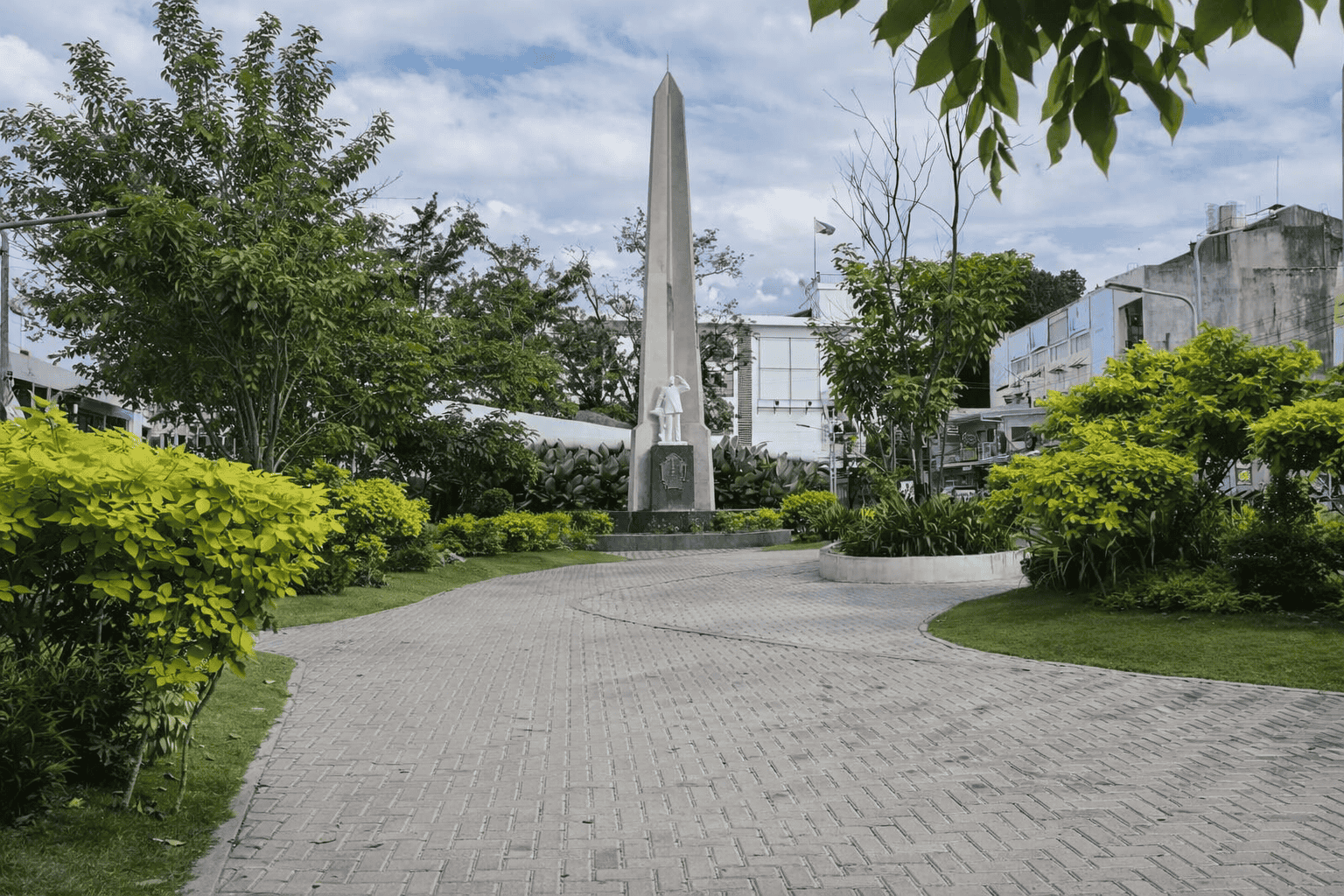
CAGAYAN DE ORO CITY — A century ago, a wide dirt trench carved through the town center served one purpose: to stop fires from consuming Cagayan de Misamis. Today, that same stretch of land — now known as Plaza Divisoria — is being transformed into a lush, climate-resilient park network. And for property owners and investors, the greening of Divisoria is doing more than beautifying the city’s historic core; it is quietly reshaping the real estate landscape of one of Northern Mindanao’s most valuable commercial districts.
With Phase 2 of the city’s flagship Lunhaw Project now complete at Bonifacio Park this April, the revitalization of Divisoria is entering a new chapter — one that real estate analysts say could trigger a ripple effect across the surrounding property market.
A Park Reborn, A District Revalued
The Lunhaw Project (lunhaw is Bisaya for “green”) is a city-led initiative, first conceptualized with the help of UN-Habitat in 2018, that aims to transform Plaza Divisoria into a walkable, bikeable, and green urban space. Phase 1 at Magsaysay Park was completed earlier, setting the stage for a greener, more pedestrian-friendly downtown. Now, with Phase 2 at Bonifacio Park finished on schedule, the entire corridor from Divisoria to the Cagayan River is taking on a new identity — one that blends heritage preservation with modern, climate-adaptive design.
For property owners and commercial lessees in the immediate vicinity, the implications are significant. The upgrade includes permeable concrete pavements to absorb rainwater, addressing the city’s frequent flooding issues, as well as new pathways friendly to persons with disabilities, planted gardens, benches, and a dry deck fountain system near the Bonifacio monument. These improvements directly enhance the area’s curb appeal — a critical factor in retail foot traffic and property desirability.
“Divisoria is not just a park; it is a repository of local memory, with each ‘island’ anchored by a monument dedicated to a pivotal figure,” said Project Lunhaw lead Patrick Gabutina. That historical significance, now paired with world-class landscaping and climate resilience features, gives the district a unique selling point that few other commercial hubs in Mindanao can claim.
Retail, Office, and Hospitality: A Magnet for Investment
The greening of Divisoria is not happening in isolation. Across Cagayan de Oro, major real estate players are placing massive bets on the city’s growth. Megaworld Corp. has allocated a record ₱65‑billion capital expenditure for 2026, with land development already underway for its 117‑hectare Upper Central township in the uplands of Gusa and Indahag. CLI’s One Manresa Place, a residential condominium within the 14.6‑hectare Manresa Town, achieved a stunning ₱4‑billion in sales in just two days — proof of the city’s surging demand for quality real estate.
Against this backdrop, the revitalized Divisoria area is poised to capture a different but equally valuable segment of the market: prime commercial and retail spaces in a heritage setting. The park’s five “islands” — each anchored by monuments to national and local heroes such as Dr. Jose Rizal, President Ramon Magsaysay, and Mayor Justiniano Romulo “JR” Borja — serve as natural anchors for foot traffic. As the Lunhaw Project progresses through its remaining phases (JR Borja Park and Rizal Park are next), the entire corridor will become a continuous, pedestrian-friendly spine linking the city’s most historic landmarks.
For businesses, this translates into a steady stream of pedestrians, joggers, cyclists, and tourists — exactly the kind of organic footfall that retail and food and beverage establishments thrive on. Property values along the Divisoria stretch, already among the highest in the city due to its central location, are expected to see further appreciation as the area becomes a destination in its own right.
A Blueprint for Climate-Resilient Urban Development
Beyond the immediate real estate benefits, the Lunhaw Project is also a masterclass in climate-adaptive urban design. The use of permeable pavements, water catchments, and green and water features is intended to lower ambient temperatures and reduce surface runoff — long-standing problems in a city prone to flooding. For property owners, this means reduced risk of flood damage and lower long-term maintenance costs — factors that directly influence insurance premiums and building valuations.
Moreover, the project’s focus on accessibility — inclusive restrooms, wider pathways, and seating areas — makes the district more welcoming to a broader demographic, including senior citizens, persons with disabilities, and families with young children. An inclusive public space attracts more visitors, which in turn supports higher commercial occupancy rates and rental yields.
What This Means for Investors and Homebuyers
For real estate investors, the completion of Lunhaw Phase 2 at Bonifacio Park sends a clear signal: Cagayan de Oro is serious about upgrading its public assets in a way that enhances property values without displacing the city’s historical character. The combination of heritage preservation, climate resilience, and pedestrian-friendly design creates a rare trifecta — a district that is both livable and investable.
For homebuyers, properties within walking distance of the Lunhaw corridor offer a lifestyle advantage that is difficult to replicate elsewhere in the city: easy access to green space, cultural landmarks, and commercial amenities, all within a historically rich environment. As the remaining phases roll out, that advantage is only set to grow.
Looking Ahead
With Phase 2 now complete, the city’s attention turns to JR Borja Park and Rizal Park, the next targets under the Lunhaw master plan. As each phase unlocks new sections of the Divisoria area, the cumulative effect on the surrounding real estate market will become increasingly evident.
For now, the message is clear: the firebreak that once divided a town is now a green thread stitching together a city’s past, present, and future — and property values along that thread are poised to rise.