Philippines — The landscape of property management in the Philippines is experiencing a significant transformation, moving away from informal, traditional methods towards more professionalized and technology-driven approaches. This evolution, highlighted by publications like The Manila Times, reflects the nation's growing real estate market and the increasing demand for sophisticated asset management services. For countless Filipinos, particularly those working overseas, this shift directly impacts the value and security of their hard-earned investments back home.
From Informal Roots to Professional Standards
Historically, property management in the Philippines often relied on family members or informal arrangements, which, while personal, sometimes lacked the rigor and transparency needed for optimal asset growth. The ongoing evolution sees the rise of professional property management firms employing advanced software, standardized operational procedures, and a focus on maximizing rental yields and property maintenance. This modernization is driven by factors such as the increasing number of condominium developments, the demand from discerning local and international investors, and the need for efficient handling of diverse property portfolios.
The Socioeconomic Impact on Investors and the Local Market
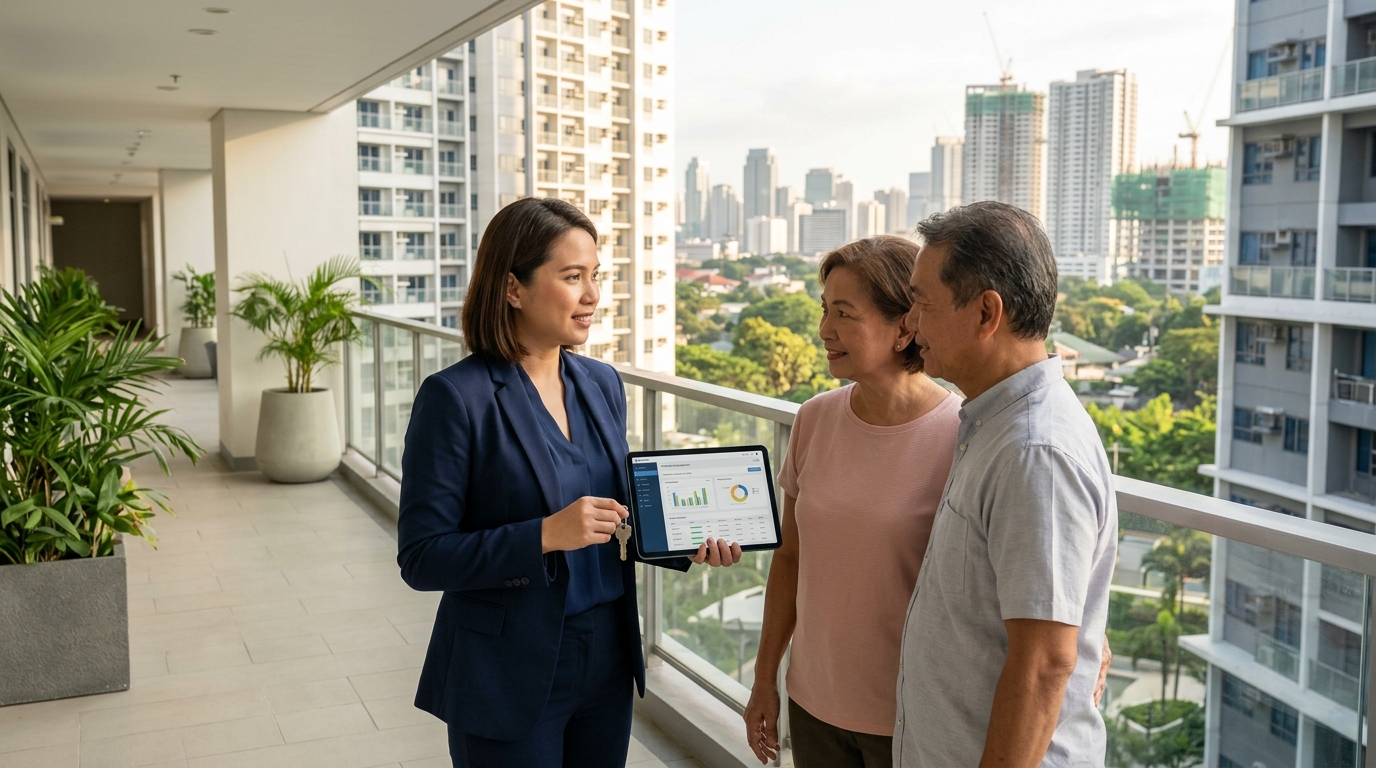
This modernization holds substantial implications for Filipino property owners. For overseas Filipino workers (OFWs) who invest in real estate as a primary means of securing their family's future, professional property management offers peace of mind. It ensures their properties are well-maintained, tenants are properly vetted, and rental income is consistently collected and accounted for, even from thousands of miles away. This can translate to higher property values over time and a more reliable passive income stream, crucial for supporting families in the Philippines. Furthermore, the professionalization of the sector creates new job opportunities within the Philippines for skilled individuals in property administration, maintenance, and real estate technology. It also contributes to a more robust and transparent real estate market, potentially attracting more foreign direct investment and boosting the overall Philippine economy.
Empowering Property Owners Through Smart Engagement
Filipino property owners, especially OFWs, should actively engage with these evolving trends. Understanding the benefits of professional property management – from digital platforms for rent collection and maintenance requests to expert legal and compliance guidance – is crucial. Researching reputable management companies that offer transparent reporting and a proven track record can safeguard investments. For those considering purchasing property, inquiring about the available management services should be a key part of their due diligence. Embracing these advancements will empower Filipinos to better protect their assets and ensure their real estate investments continue to thrive in a dynamic market.