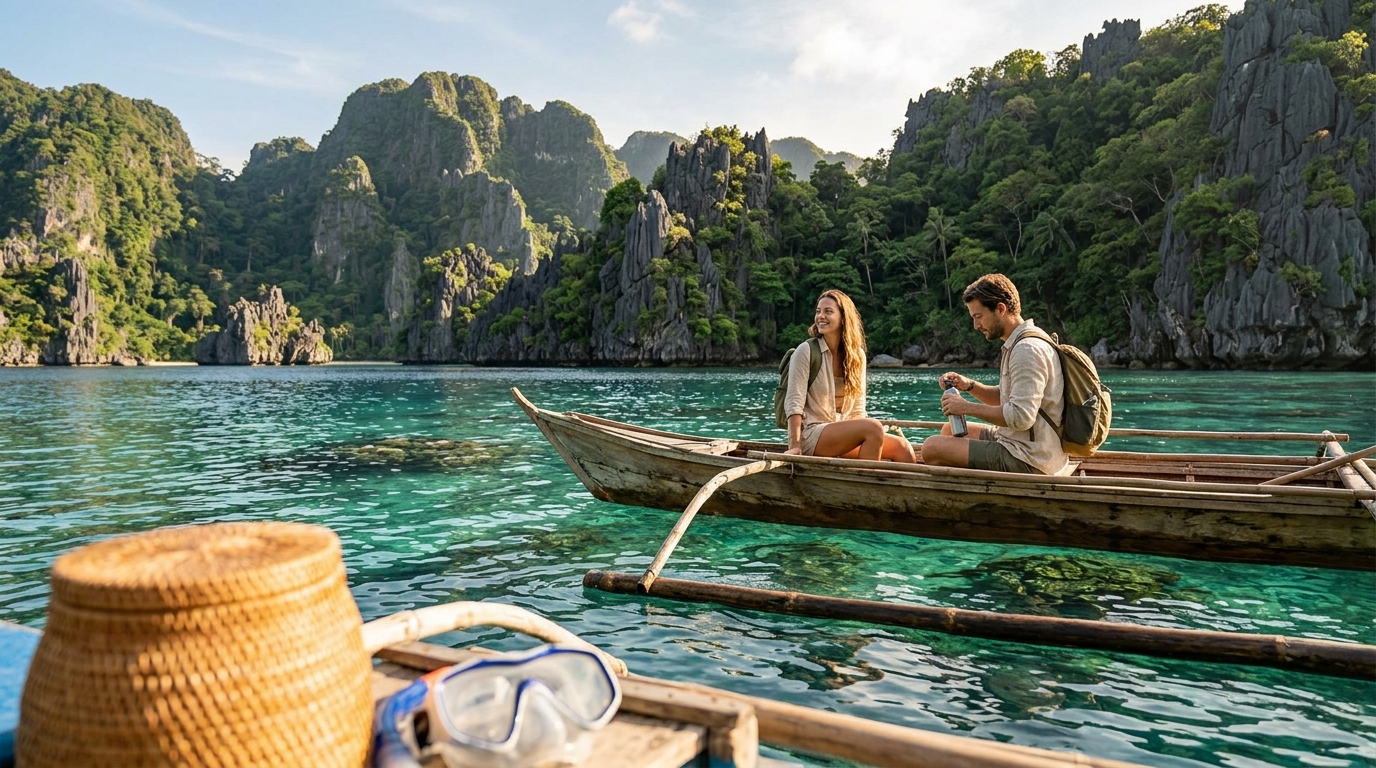
Palawan has landed a prestigious spot on Frommer’s "Best Places to Go in 2026," a recognition that validates the island's decade-long pivot toward low-impact, high-value tourism. Unlike other global hotspots that are struggling with the fallout of over-development, Palawan is being celebrated for its successful "Community-Based Tourism" (CBT) models. The guide specifically points to the province's ability to offer authentic human connections alongside its breathtaking limestone cliffs and hidden turquoise lagoons.
The Art of Slow Discovery
The Frommer’s inclusion highlights a lifestyle shift where travelers are encouraged to "linger" in lesser-known spots like Cadlao Lagoon and Paradise Beach rather than rushing through a checklist. This approach to travel is creating a new kind of visitor one who is more interested in the "sacred silence" of a hidden cove than the nightlife of a crowded strip. The guide emphasizes that the true magic of the island in 2026 lies in these quiet moments of connection with nature. It’s a shift that favors quality of experience over the sheer volume of tourists, ensuring the island’s beauty remains intact.
Empowering the Guardians of the Coast
A major factor in this global accolade is the success of programs that turn fishermen and farmers into the primary stewards of tourism. In San Vicente, for example, families have been trained to transform their homes into eco-lodges that protect the mangrove forests shielding the coastline. This model ensures that tourism revenue stays in the pockets of the people who actually protect the reefs and forests. It’s a "shared blessing" philosophy that Frommer’s editors found particularly compelling in an era where "greenwashing" is common in the travel industry.
A Map of Layered History
Beyond the beaches, the 2026 travel narrative is expanding to include historical sites like the Culion Church and the heritage walks of Taytay. This diversification of the "Palawan Experience" allows for a more distributed flow of visitors, preventing any single spot from becoming overcrowded. Travelers are now descending into the past through WWII shipwrecks in Coron or exploring the Spanish-era fortifications of the south. This layered approach to tourism is what keeps the island fresh and relevant to the modern, inquisitive global traveler.