Global house price increases reportedly came to a halt in April, according to a recent report from Forbes. This stagnation in property values is attributed to growing anxieties over the escalating cost of borrowing, a development that could reshape real estate landscapes worldwide. For millions of Filipinos working and living abroad, and their families back in the Philippines, this shift in the global housing market carries substantial weight, influencing everything from investment strategies to long-term financial planning.
The Impact of Rising Borrowing Costs
The pause in house price appreciation signals a potential cooling period after years of rapid growth in many international markets. As central banks globally grapple with inflation, interest rates—the primary component of borrowing costs—are increasingly on the rise. This directly impacts mortgage rates, making home loans more expensive and potentially pushing property ownership out of reach for many aspiring homeowners. The reported stall in April suggests that this economic pressure is already translating into tangible effects on market dynamics.
Navigating Purchasing Power and Property Equity
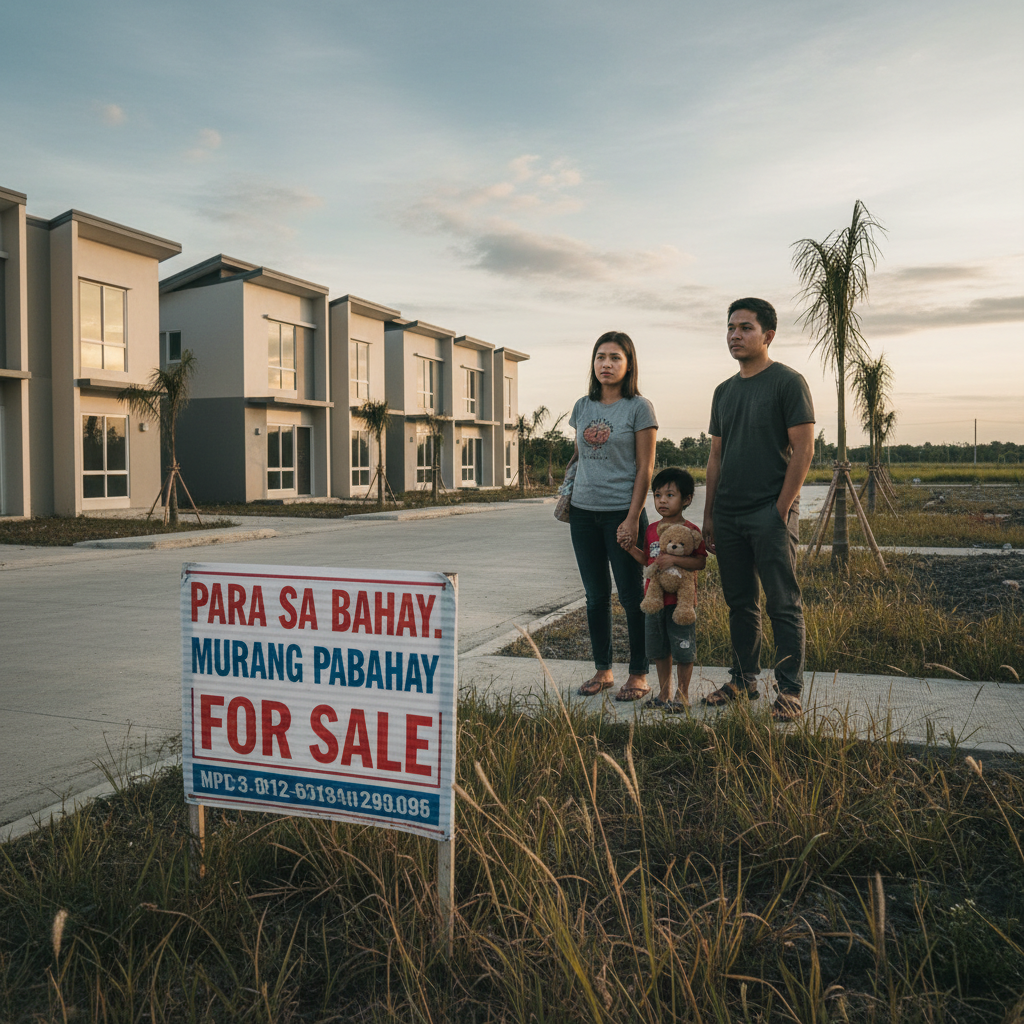
For overseas Filipinos (OFWs), the implications are multifaceted. Many work diligently, often for years, with the primary goal of securing a better future for their families, which frequently includes purchasing a home, either in their host country or back in the Philippines. Rising borrowing costs mean that the dream home might now come with significantly higher monthly payments, reducing purchasing power or extending the time needed to save for a down payment. If property values in their host countries begin to decline or stagnate, it could also affect the equity in homes already owned by Filipinos abroad, impacting their net worth or ability to leverage property for other investments. Furthermore, a slowdown in the global real estate sector can have ripple effects on construction and related industries, potentially affecting job markets in countries where many Filipinos are employed.
Financial Planning in a Volatile Housing Market
Filipinos contemplating property investments, whether for personal use or as a source of income, should approach the current market with informed caution. It is crucial to monitor interest rate trends and understand how they translate into mortgage payments. For those sending remittances for property purchases in the Philippines, the value of their savings might be stretched further if local prices also begin to stabilize or if global economic uncertainty impacts exchange rates. Financial planning, consulting with real estate experts, and carefully assessing personal affordability are more critical than ever. This period of market adjustment offers both challenges and potential opportunities for strategic buyers who are well-prepared and patient.