Filipino consumers and families, both at home and abroad, are bracing for anticipated shifts in the cost of living as mixed oil price movements are expected next week, according to a report by ABS-CBN. This forecast signals a period of uncertainty for an economy heavily reliant on imported fuel, potentially influencing everything from daily commutes to the price of essential commodities.
Market Volatility and the Ripple Effect on Basic Goods
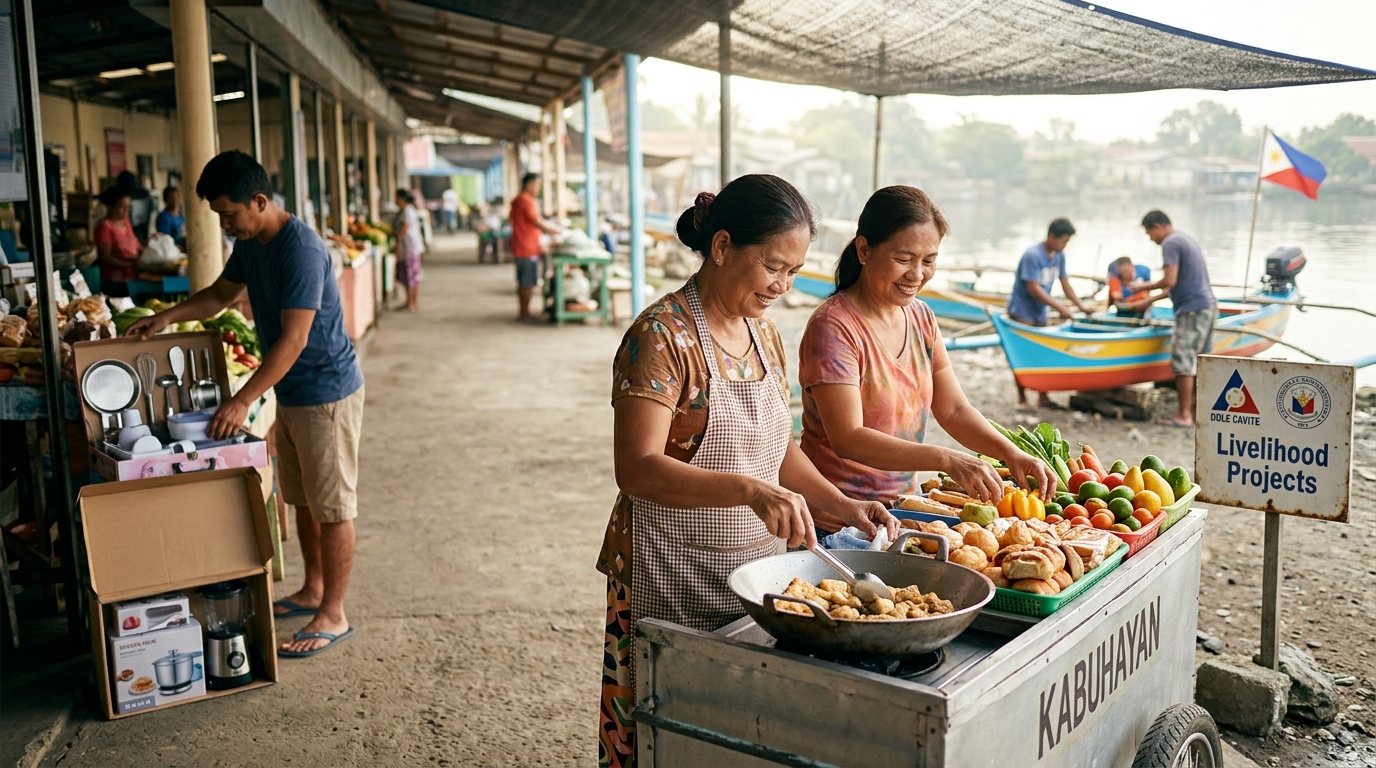
The projected mixed movements in fuel costs mean some petroleum products might see price hikes while others could experience reductions. For the average Filipino, this directly translates into potential adjustments in public transportation fares, which are sensitive to fuel costs, and subsequently, the prices of goods transported across the archipelago. Businesses, particularly those in logistics and manufacturing, often pass on increased operational costs to consumers, potentially leading to inflationary pressures on basic necessities.
Global Geopolitics and the Erosion of Purchasing Power
The Philippines, being a net importer of oil, is particularly vulnerable to global price volatility. When fuel prices rise, it often sparks a domino effect across various sectors. For Filipino households, this can erode purchasing power, making it harder to stretch their budgets. Overseas Filipino Workers (OFWs) play a crucial role in the national economy through their remittances. However, the real value of these remittances can diminish if inflation, partly driven by fuel costs, accelerates within the Philippines. Furthermore, OFWs themselves, especially those in transportation or industrial sectors in their host countries, may also face increased personal expenses or shifts in their employment conditions due due to global oil market dynamics.
Financial Resilience and Strategic Family Budgeting
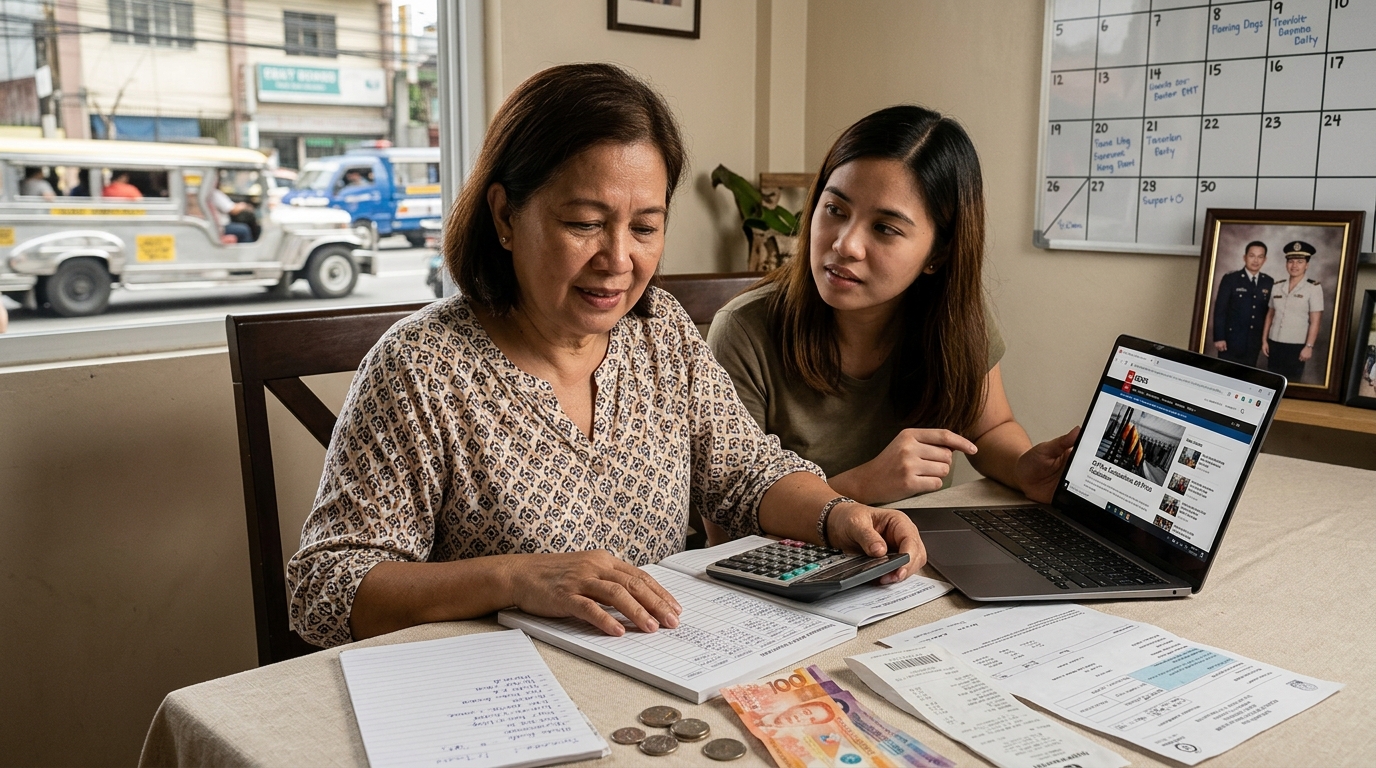
Staying informed about these price movements is crucial for prudent financial planning. Families in the Philippines should closely monitor local news for specific price adjustments and consider budgeting strategies to mitigate potential impacts on their daily expenses. For OFWs, understanding these economic shifts back home can help in making informed decisions about remittance amounts and supporting their families effectively. While specific government interventions like fuel subsidies are often considered during periods of significant price hikes, the immediate focus for Filipino consumers should be on adapting to the impending mixed price environment.