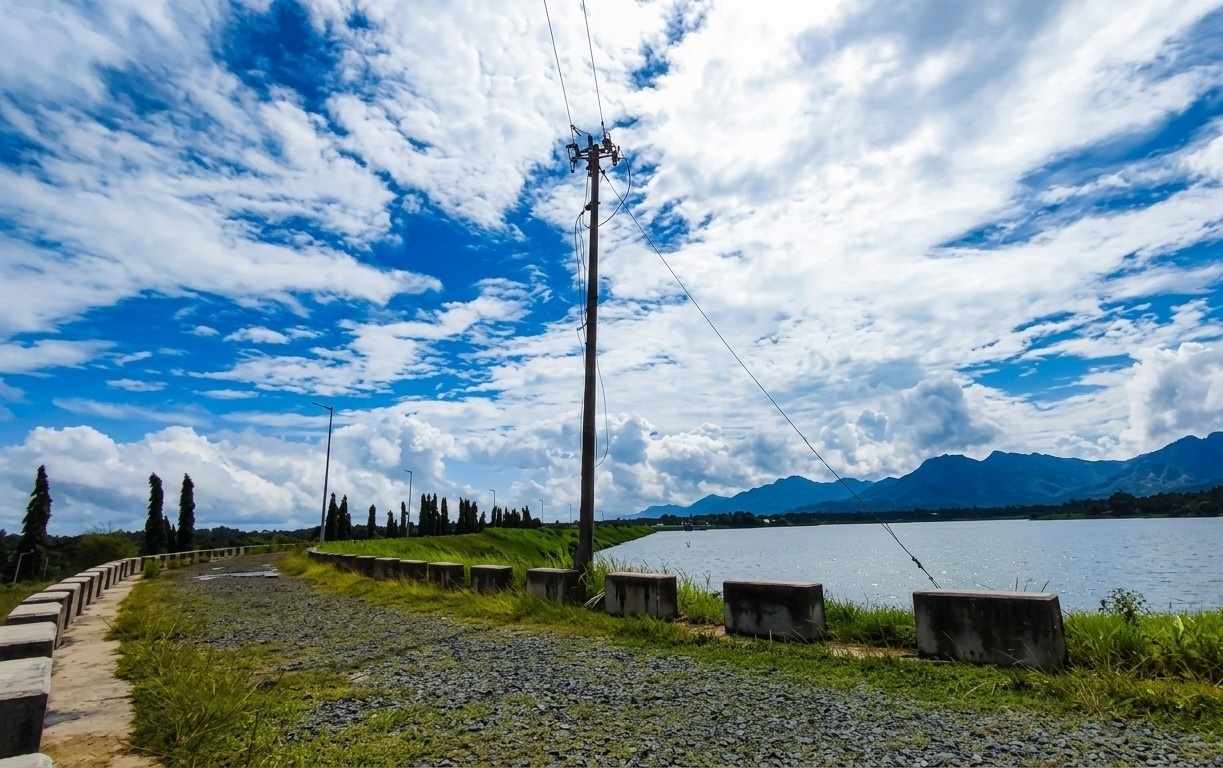
Bohol — While Bohol is globally renowned for its world-class beaches and iconic Chocolate Hills, the island’s interior holds quiet treasures that offer a different kind of serenity. Nestled in the municipality of Pilar, the Malinao Dam serves as both a critical lifeline for local agriculture and a peaceful retreat for those looking to venture off the beaten path. This expansive reservoir, spanning approximately 300 hectares, is surrounded by lush greenery and vibrant fields, providing a stark, soothing contrast to the bustling tourist hubs found on Panglao Island or near the major coastal resorts.
A Vital Hub of Life and Landscape
Functioning under the National Irrigation Administration (NIA) since 1998, the Malinao Dam is far more than just a sightseeing spot; it is the heartbeat of Bohol’s inland agricultural industry. The reservoir is fed by the Wahig and Pamacsalan Rivers, playing a key role in the Bohol Integrated Irrigation System that sustains thousands of hectares of rice land across Pilar and its neighboring towns. For visitors, the dam’s practical importance is mirrored in its beauty; the U-shaped spillway and the vast, reflective waters create a striking landscape, especially during the golden hours of sunrise and sunset. It remains a prime example of how functional infrastructure can coexist with, and even enhance, the natural aesthetic of the surrounding countryside.
Plan Your Visit to the Highlands
Accessing this serene oasis is straightforward for those exploring the interior of Bohol. Motorists coming from Tagbilaran City can navigate northeast via the Bohol Circumferential Road, enjoying a scenic drive through the island's heartland before reaching the municipality of Pilar. If you are relying on public transportation, local vans and buses regularly service the route, and once in the town center, a quick tricycle ride will bring you directly to the dam gates. While it is best known as a quick, free-access stop for photography or a peaceful picnic, visitors are reminded to respect the area as a working irrigation site. By supporting local tourism in these interior towns, travelers contribute to a more balanced and sustainable distribution of economic growth across the province.