


Where Farms Meet Freight
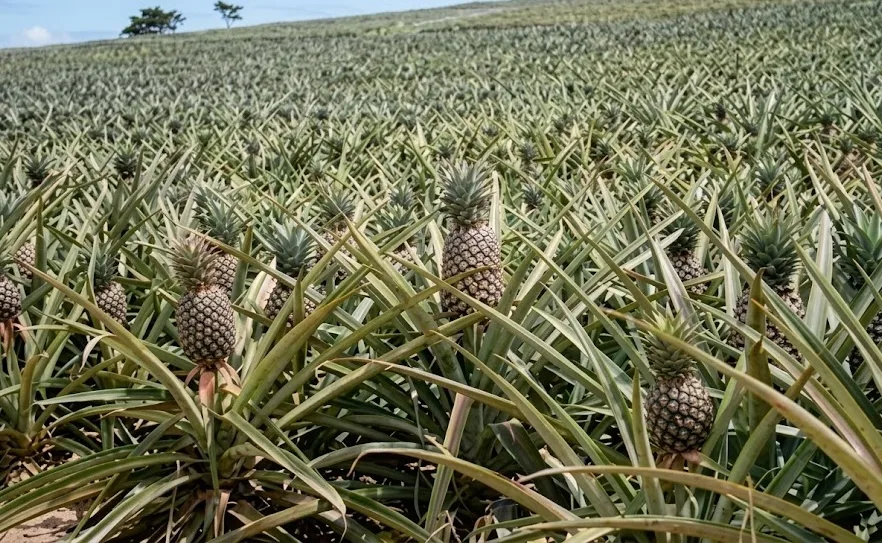
GENERAL SANTOS CITY - The success of banana and pineapple exports depends on more than productive farms. Fresh fruit requires dependable transportation, packaging, cold storage, and shipping services before reaching international buyers. General Santos contributes to this larger network by providing commercial services, cargo movement, and access to shipping routes serving southern Mindanao. Although the city's economy is often associated with fisheries, its transport infrastructure also benefits agricultural businesses operating throughout SOCCSKSARGEN and nearby regions. This relationship illustrates how urban commercial centers and rural farming communities depend on each other to strengthen regional trade.
Export Growth Creates Wider Opportunities
The Department of Agriculture's participation in international trade exhibitions during 2026 reflects the country's renewed effort to expand markets for premium crops, including bananas and pineapples. These activities connect exporters with distributors, retailers, and logistics providers seeking dependable agricultural suppliers. As export demand grows, businesses involved in freight forwarding, warehousing, refrigerated transport, and product handling also gain opportunities. General Santos already supports many of these services through its growing commercial sector, allowing local enterprises to participate in agricultural trade even without directly producing export crops themselves.
Looking Beyond Traditional Industries
General Santos has earned international recognition because of tuna, yet its location also positions the city within one of Mindanao's busiest agricultural corridors. As more Philippine fruits enter overseas markets, the supporting industries surrounding transportation and logistics become increasingly valuable. Investments in supply chain services, cargo facilities, and business partnerships create opportunities extending beyond agriculture itself. Rather than competing with farming communities, General Santos complements them by providing the commercial infrastructure that helps agricultural products continue moving efficiently toward global markets.
