ILOILO CITY — MORE Electric and Power Corp.'s ₱2.65‑billion distribution modernization has proven to be Iloilo City's economic firewall, a new study shows. The Institute of Contemporary Economics found the upgraded network cushioned the impact of seven grid‑security events that rocked the Visayas between June 2 and 19, 2026, protecting businesses and critical services from the worst of the blackouts.
A Grid Under Siege
The ICE report painted a stark picture of the Visayas power crisis. On June 10 alone, the region operated with only an 8‑megawatt reserve against a demand of 2,421 megawatts—a razor‑thin margin that left no room for error. Forced outages at major plants, including Aboitiz Power's Therma Visayas and Panay Energy Development Corporation, wiped out 488 megawatts of capacity.
Every manual load drop ordered by the National Grid Corporation of the Philippines put an estimated ₱12.7 million of Iloilo's economic output at risk. The region endured three days of Red Alerts and twelve days of Yellow Alerts, with transmission lines between Luzon and the Visayas running at maximum capacity. Pushing more power through these corridors risked a total system collapse.
Modernization That Makes a Difference
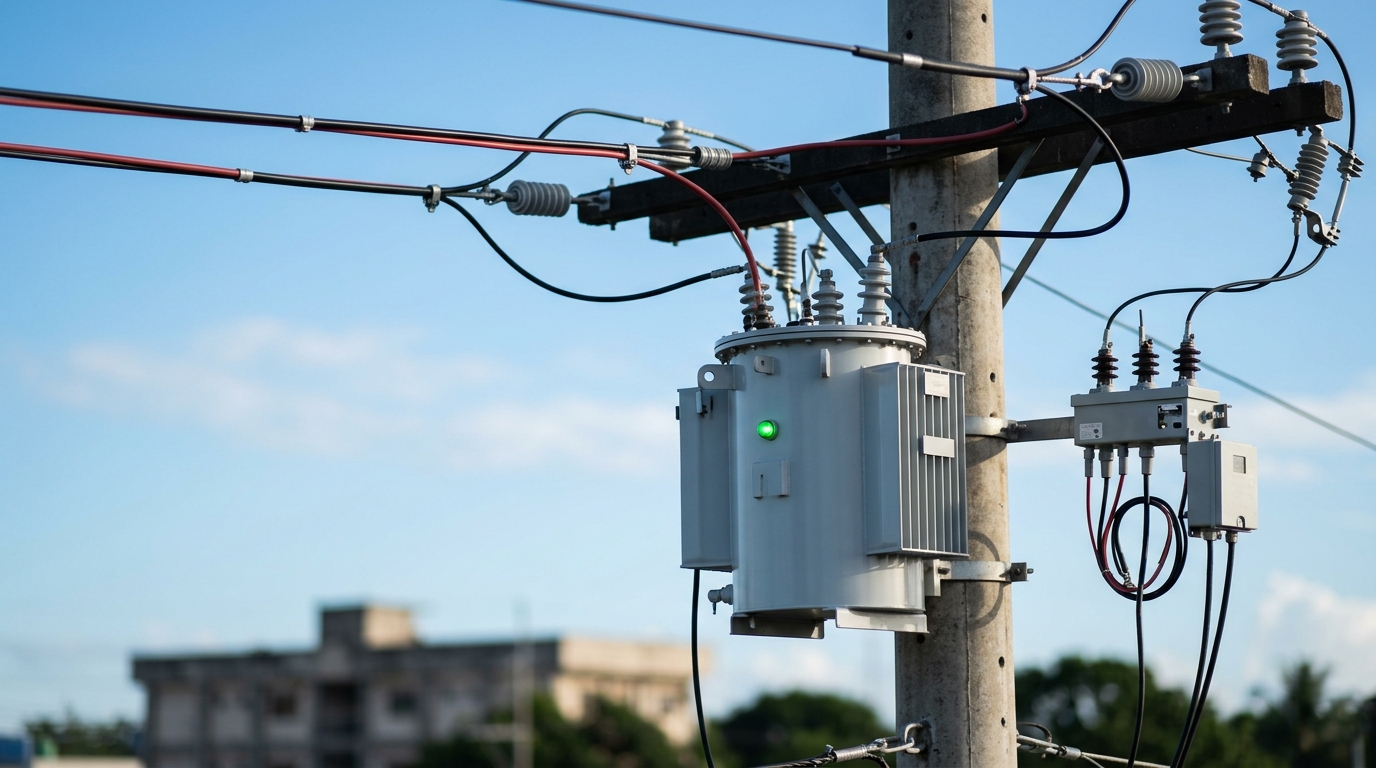
Against this backdrop, MORE Power's six‑year infrastructure overhaul became the city's shield. The utility deployed automated feeder selection and load rotation, allowing engineers to keep hospitals, universities, and water pumping stations energized while cleanly dropping non‑essential loads. The flagship Underground Distribution System along Calle Real had already eliminated vulnerable overhead lines in the commercial hub.
The ICE study credited this modernization with enabling better restoration sequencing during outages. "Maintenance keeps an existing network operating. Modernization builds capacity, redundancy, automation, monitoring capability, faster restoration, and resilience," the report stated. MORE Power's local distribution charge has remained unchanged for three consecutive years, even as the company poured billions into upgrades.
The Price of Generation Failure
While MORE Power's distribution network held, consumers still felt the sting of the generation crisis in their electric bills. The overall rate rose by ₱2.04 per kilowatt‑hour in June, with residential customers paying ₱13.91. The culprit was the Wholesale Electricity Spot Market, where prices more than doubled from ₱4.45 to ₱10.30 per kilowatt‑hour.
MORE Power mitigated the shock by sourcing 62 percent of its supply from fixed bilateral contracts, limiting spot market exposure to only 38 percent. Without this strategy, the rate impact would have been far more severe. The utility's own distribution charge absorbed none of the increase, keeping its portion flat while pass‑through generation costs surged.
A Call for System‑Wide Reform
The ICE report delivered a sobering verdict: distribution modernization is necessary but not sufficient. "A modern power system is not one that merely restores service after interruption. It is one built with enough redundancy, automation, reserve capacity, and coordination to prevent avoidable curtailment," it concluded. Generation planning, transmission expansion, and regulatory discipline all require the same rigor.
The findings arrive as the Senate deliberates on expanding MORE Power's franchise to seven additional southwestern Iloilo municipalities. House Bill 7647, backed by Representative Janette Garin, seeks to bring the utility's modernized service to areas still served by struggling cooperatives. With Panay's power demand growing at an 18.5 percent compounded annual rate, a more resilient network is no longer optional.