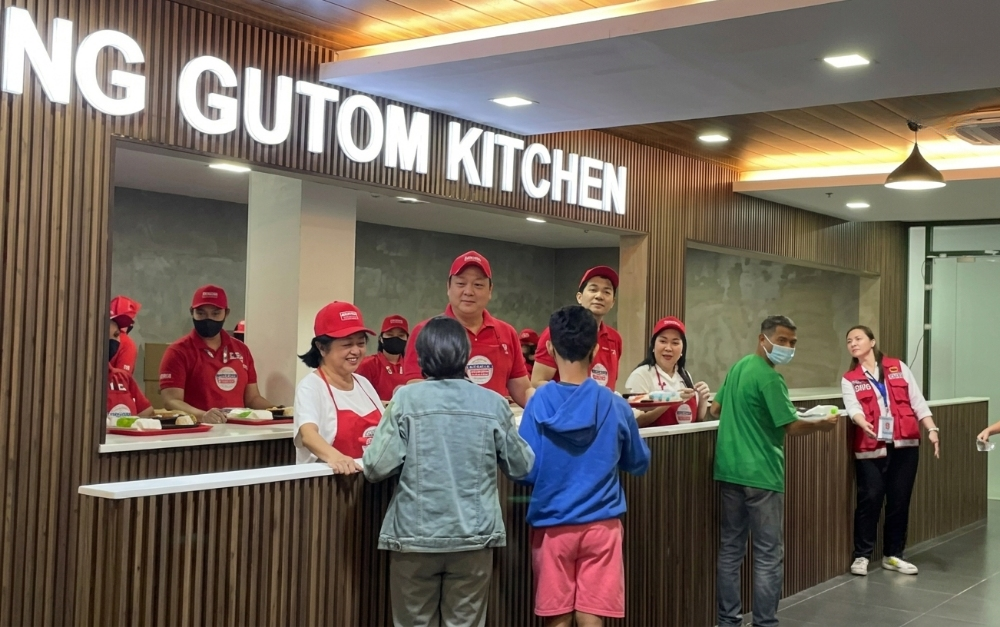
Cebu — The city has officially joined the national effort to address food insecurity with the launch of the second "Walang Gutom Kitchen" on June 22, 2026. Spearheaded by President Marcos Jr. and the Department of Social Welfare and Development (DSWD), this initiative aims to provide nutritious meals to vulnerable sectors of the city. The program serves as a tangible model for addressing the root causes of malnutrition by offering a steady and reliable source of food for those who need it most. By integrating social welfare programs directly into the urban fabric, the administration is reinforcing its pledge to leave no Filipino behind.
A New Approach to Nutrition
The Walang Gutom Kitchen is more than just a feeding station; it is a structured program that targets those experiencing severe food instability. By using a kitchen-based distribution model, the government can ensure that the food served meets specific nutritional standards while reaching the areas where it is most needed. This effort is part of a wider national rollout that prioritizes health as a foundational aspect of social development. For the residents of Cebu City, this means having a government-backed support system that acts as a safety net during difficult economic times.
Strategic Community Integration
The project is designed to be deeply integrated into the local community, allowing social workers to identify families and individuals who require long-term assistance. By basing these operations in accessible parts of the city, the DSWD can maintain a steady flow of support rather than relying on temporary charity drives. This consistency is key to helping families stabilize their food consumption, which in turn leads to better health and productivity. The kitchen stands as a symbol of the city's commitment to supporting its residents through practical, direct action.
Expanding the Social Safety Net
Looking forward, the success of this kitchen could pave the way for more sites across the province, expanding the reach of the government’s nutritional agenda. As the program settles into its operations, it will likely incorporate feedback from the beneficiaries to tailor the meal plans to local tastes and requirements. This focus on long-term sustainability distinguishes it from previous approaches, making it a cornerstone of the current administration’s poverty alleviation strategy. Every meal served is a step toward building a city where every resident can count on the most basic of necessities.