ILOILO CITY — The closure of the old Calajunan landfill and the rise of a ₱2.3‑billion waste-to-energy facility are reshaping Iloilo’s environmental future. The project not only solves a decades‑old garbage problem but also positions the city as a cleaner, more attractive destination for visitors.
From Landfill to Green Energy Hub
The Integrated Solid Waste Management Facility (ISWMF) in Barangay Ingore, La Paz district broke ground in April 2025 and is set to begin trial operations in February 2027. Spearheaded by MetPower Venture Partners, a Metro Pacific subsidiary, the fully enclosed plant will process up to 475 tons of waste daily. It replaces the open dumpsite model with a sealed, odor‑free system.
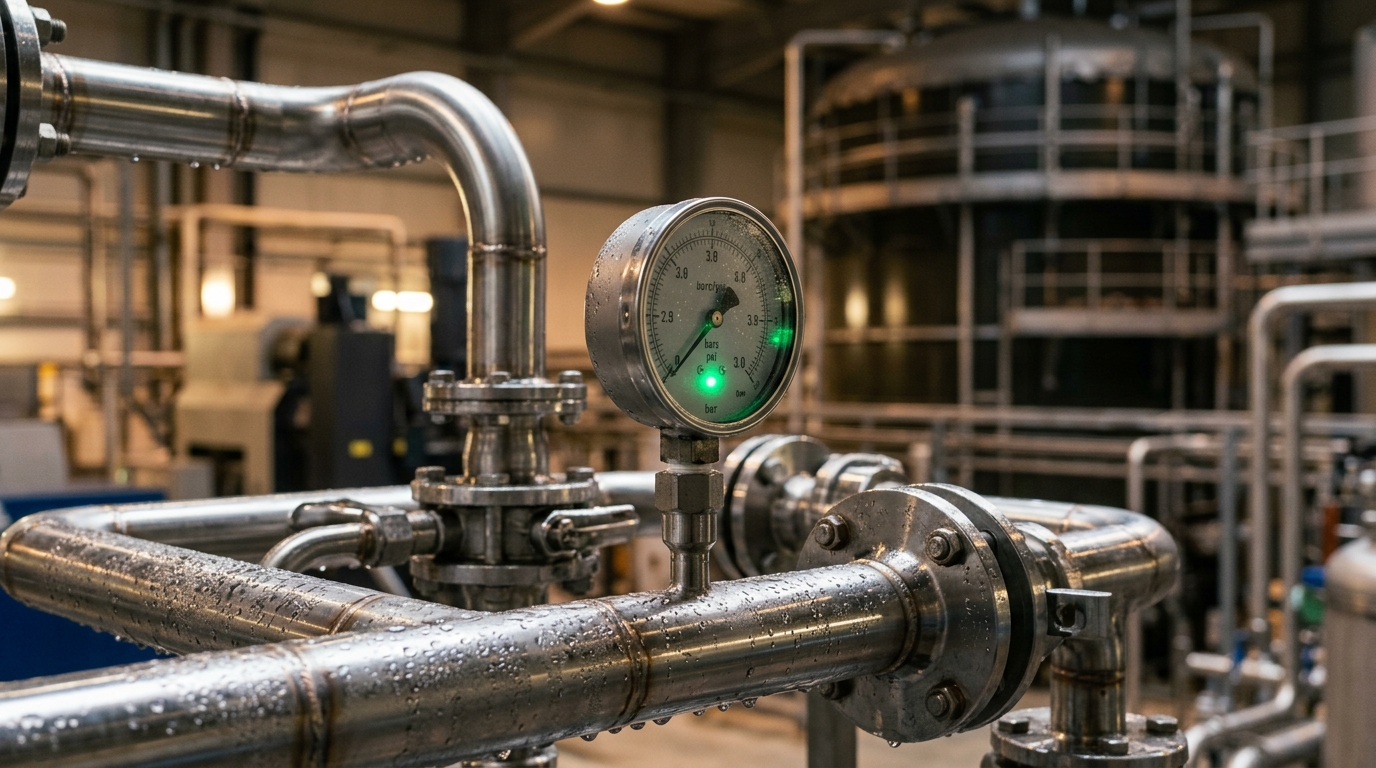
Unlike traditional landfills, the ISWMF employs anaerobic digestion to convert organic waste into 3.5 megawatts of renewable energy. This power will directly fuel an adjacent desalination plant, linking waste management to water security. The circular design turns a public nuisance into a community asset.
A Circular Model That Powers Tourism
The 3.5 megawatts generated from organic waste will supply the new Metro Pacific desalination facility, producing 65 million liters of clean water daily. This energy‑water nexus demonstrates how a city can transform household garbage into essential resources. Tourists visiting Iloilo will indirectly benefit from a more sustainable infrastructure.
The plant also produces 163 tons of refuse‑derived fuel daily, displacing coal at a nearby power plant. This reduction in fossil fuel dependency lowers air pollution, enhancing the city’s overall environmental quality. For eco‑conscious travelers, a destination that runs partly on garbage‑derived energy tells a compelling story.
Reviving the Old Dumpsite into Green Space
The 23‑hectare Calajunan landfill, with its 10‑meter‑high garbage mountain, will undergo bioremediation. Decomposed organic layers will be repurposed for agricultural soil, while legacy plastics will be processed into fuel. The ultimate goal is to restore the entire site to safe, green conditions.
This transformation frees up valuable urban land for parks, community gardens, or recreational areas. A former eyesore will become a testament to environmental healing. Visitors will find not a smelly dump but a reclaimed landscape, reinforcing Iloilo’s reputation as a city that cleans up after itself.
Scaling Across the Province
The success of the city’s facility has inspired a province‑wide replication plan. Governor Arthur Defensor Jr. has discussed extending the framework to manage an additional 80 tons of residual waste from 43 municipalities. Modular satellite facilities would feed into the regional ecosystem.
This expansion means more communities will benefit from modern waste processing, reducing illegal dumping and river pollution. Cleaner rivers and beaches directly boost tourism, especially in coastal towns. The provincial strategy positions Iloilo as a model for other Philippine destinations grappling with garbage crises.
Global Recognition for Livability
Iloilo’s bold waste‑to‑energy project aligns with its UN Zero Waste City status and its recent spotlight at the World Cities Summit in Singapore. Mayor Raisa Treñas‑Chu emphasized building a people‑centered city, and a clean environment is fundamental to that vision.
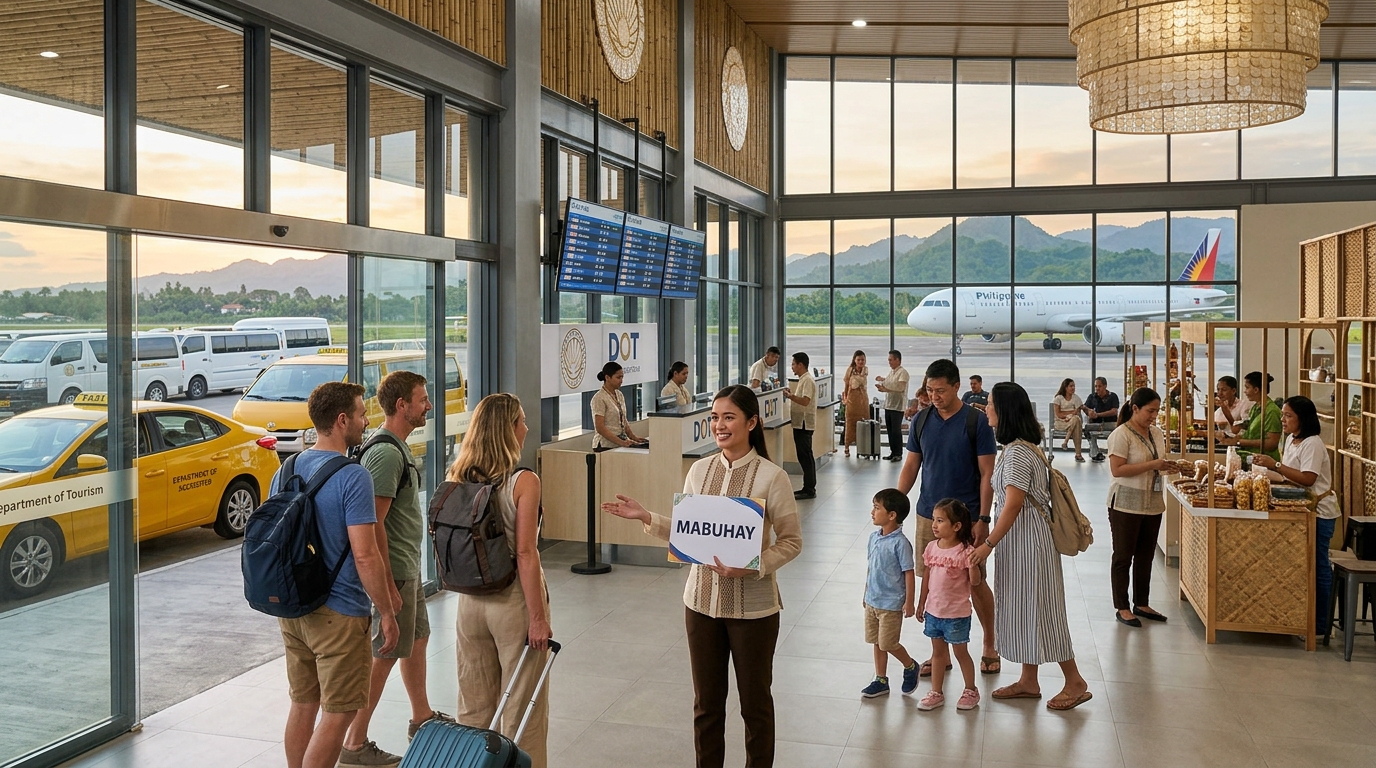
Visitors are increasingly drawn to cities that demonstrate genuine sustainability. Iloilo’s integrated approach—from waste segregation to renewable energy—offers a compelling narrative for tourists seeking responsible travel. As the new facility comes online, the city will be even more equipped to welcome guests with fresh air, clean streets, and a greener skyline.