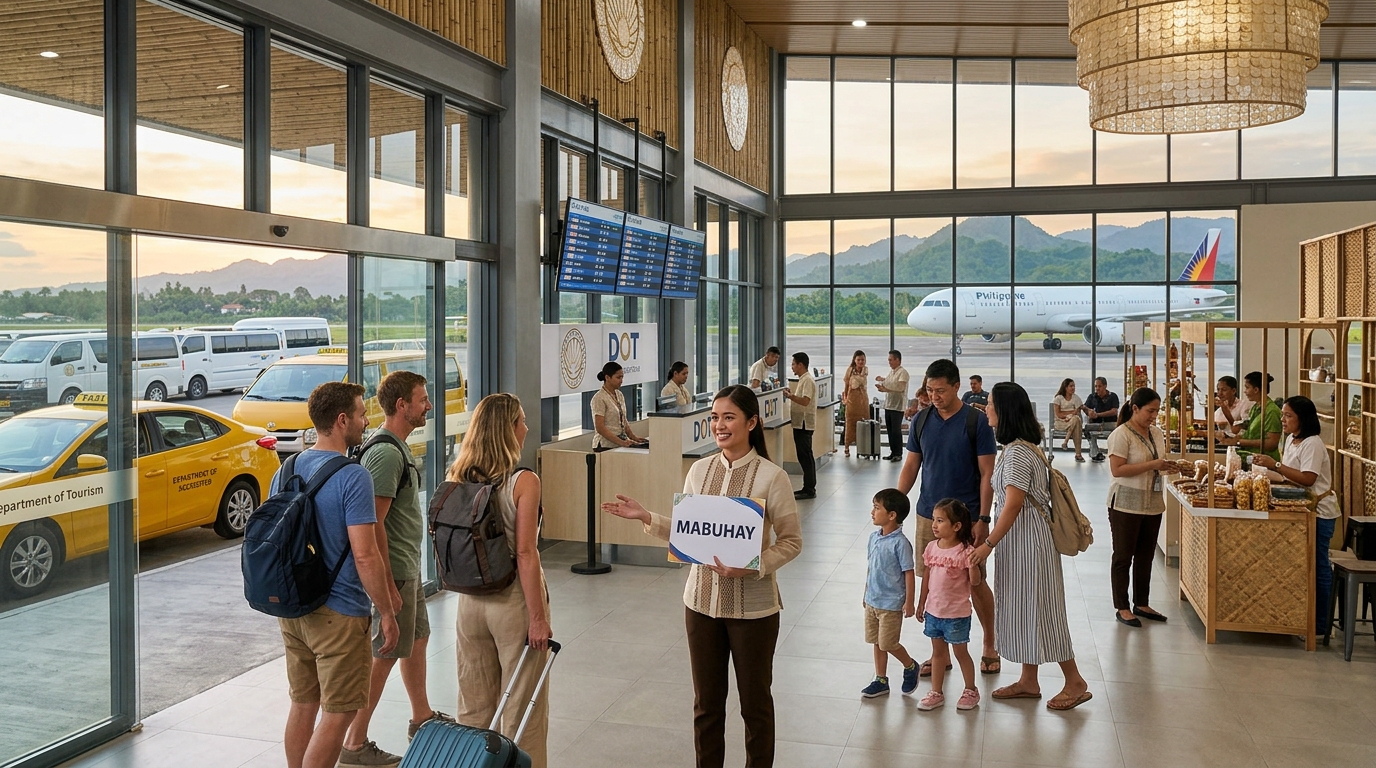
The Philippines' vibrant tourism sector is experiencing a notable shift, with the United States now standing as the top country of origin for international visitors. This development marks a significant moment for the nation, underscoring the enduring appeal of the archipelago to American travelers and heralding potential economic benefits that could ripple through countless Filipino households.
Accelerating Multi-Sector Trade Inflows and Securing Regional Service Contracts
This surge in American tourism holds substantial promise for the Philippine economy. A robust tourism industry directly translates into increased demand for services across various sectors, from hotels and resorts to transportation, food and beverage, retail, and local craft industries. For many Filipinos, this means a potential boom in job opportunities, offering stable employment and income streams that are vital for family sustenance and growth.
Generating In-Country Career Tracks to Short-Circuit Compulsory Migration
The ascendancy of the U.S. as the primary tourist market is more than just a statistic; it's a critical indicator of economic vitality. This influx of visitors injects foreign currency into the local economy, stimulates small and medium-sized enterprises (SMEs), and encourages infrastructure development to support the growing demand. For Filipino families, especially those reliant on remittances from Overseas Filipino Workers (OFWs), a strong domestic economy bolstered by tourism can create more opportunities at home. It could potentially reduce the pressure for some to seek employment abroad, fostering a more sustainable and localized economic environment. Furthermore, it reinforces the Philippines' global standing as a premier travel destination, attracting further investment and attention.
Upgrading Aviation Connectivity and Transforming Leisure Pipelines into Capital Platforms
For Filipinos, both residing in the country and those working overseas, this trend underscores the importance of a thriving tourism sector. It highlights the need for continued investment in skills training within hospitality, service, and entrepreneurial ventures that cater to international visitors. OFWs, in particular, can play a crucial role by promoting the Philippines as a destination to their networks abroad, and by considering investments in tourism-related businesses upon their return. Understanding the preferences and expectations of American tourists can also empower local entrepreneurs to tailor their offerings, maximizing the benefits of this growing market. This is an opportunity for every Filipino to contribute to, and benefit from, the nation's burgeoning appeal on the global stage.