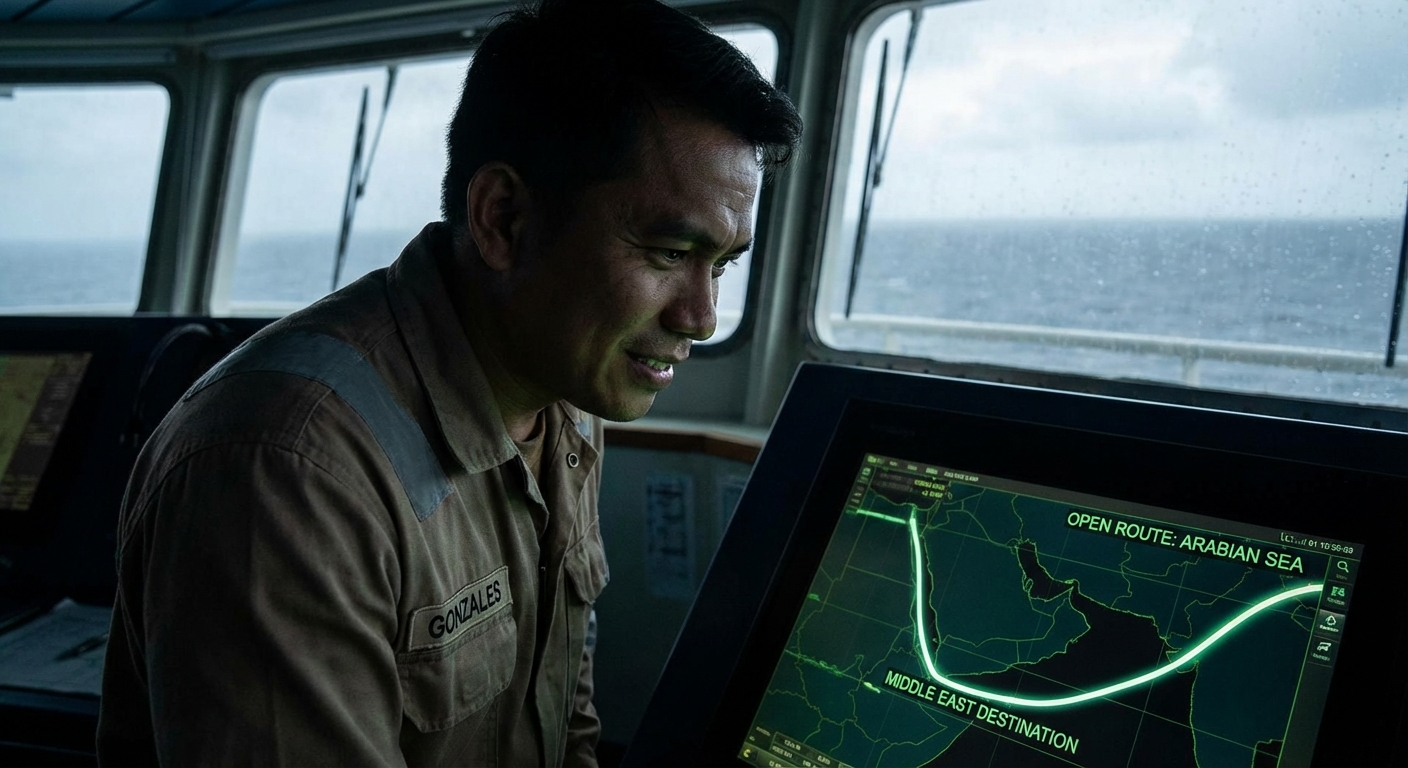
A recent announcement from Iran, indicating its approval for the "safe passage" of Philippine-flagged ships, marks a potentially significant development for the global maritime industry and, crucially, for the thousands of Filipino seafarers who navigate these international waters. While specific details of this agreement remain limited, the mere prospect of enhanced security in key shipping lanes holds considerable implications for the Philippines, a nation renowned as a leading provider of maritime labor worldwide. For years, maritime routes, particularly those in volatile regions, have posed risks to commercial shipping, including the threat of geopolitical tensions impacting transit. Any formal assurance of safe passage from a key regional player like Iran could alleviate concerns for shipping companies and, by extension, the predominantly Filipino crews employed on these vessels. This could translate to safer working conditions, reduced operational costs for shipping lines, and potentially greater stability in seafaring employment for overseas Filipino workers (OFWs). The Philippines, being a maritime nation, relies heavily on its seafarers for remittances that bolster the national economy. The safety and continuous employment of these skilled professionals are paramount. An improved security environment could prevent disruptions in their work, ensure their well-being, and maintain the flow of crucial financial support to their families back home. Why It Matters This reported development isn't just about individual ships; it touches upon the broader landscape of global trade and the Philippines' integral role within it. Safer passage means more reliable supply chains, potentially lower insurance premiums for vessels, and an uninterrupted flow of goods. For the Philippine economy, this translates to stability in a vital sector, reinforcing the nation's standing as a reliable source of highly-trained maritime personnel globally. It underscores the interconnectedness of international relations with the livelihoods of ordinary Filipinos working abroad. What Filipinos Need to Know While the news is positive in principle, Filipino seafarers and their families should await further official statements and detailed protocols regarding this "safe passage." Understanding the specific routes, conditions, and enforcement mechanisms will be crucial for assessing the full impact. This development highlights the continuous efforts to secure safer working environments for OFWs, particularly those in high-risk professions, ensuring their invaluable contribution to both the global economy and their families' welfare is sustained.