


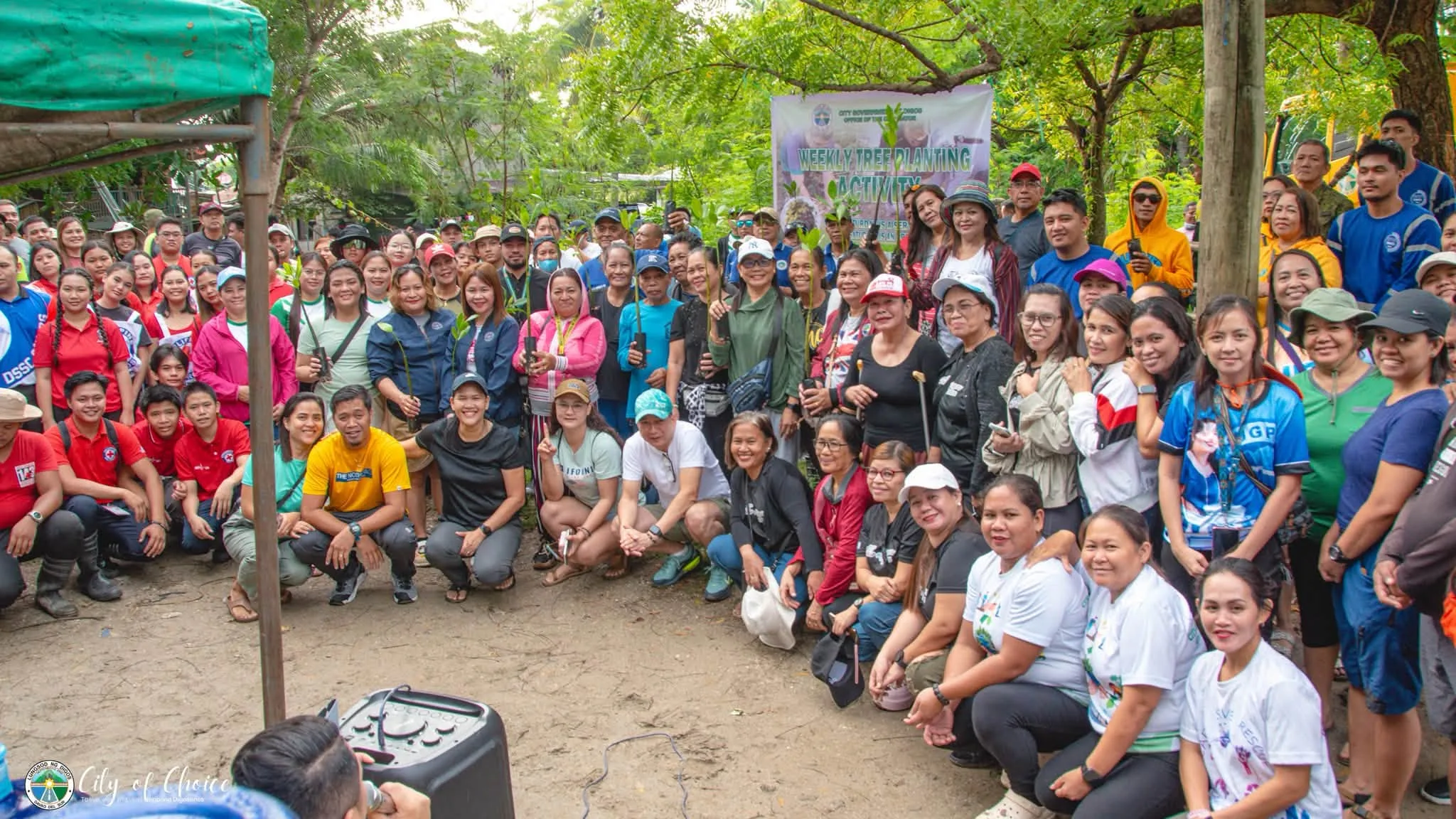
DIGOS CITY, Davao del Sur — A sea of green is taking root along the coast of Punta Biao as the city government planted 850 mangrove seedlings on July 11, 2026, drawing 391 volunteers to the shoreline. The weekly tree‑planting initiative is rapidly turning Digos into a must‑visit destination for eco‑conscious travelers.
A Sanctuary Where Nature Thrives
Punta Biao’s mangrove sanctuary is no ordinary patch of coastal greenery. Its sheltered midland location protects young seedlings from harsh waves, giving them an exceptional chance to grow into dense, carbon‑absorbing forests. The area already boasts a remarkable 98.7 percent survival rate for mangroves, making it one of the most successful rehabilitation sites in the region.
For visitors, this means a near‑guaranteed encounter with a thriving ecosystem. Kayaking through the mangrove tunnels reveals a world teeming with fish, crabs, and migratory birds. The sanctuary offers a quiet, immersive escape where travelers can witness conservation success firsthand.
Volunteerism as a Tourist Experience
Mayor Josef Fortich Cagas’s Saturday Service Day has transformed weekends into community‑powered eco‑events that welcome outsiders. Every Saturday, locals and guests pick up shovels together, blurring the line between resident and tourist. The July 11 activity drew nearly 400 volunteers from government agencies, private companies, and civic groups.
Travelers seeking meaningful experiences can join these weekly plantings as walk‑in volunteers. It is a rare chance to leave a tangible mark on a destination while learning about coastal ecology. After getting their hands muddy, visitors can explore Digos’s other attractions, including its famous sweet carabao mangoes and nearby hot springs.
A Growing Eco‑Tourism Circuit
Digos City is strategically adding mangrove planting to its portfolio of nature‑based attractions. The sanctuary connects seamlessly with the city’s broader eco‑tourism push, which includes river trekking, mountain biking, and visits to the iconic Mount Apo. A morning spent planting mangroves can easily be paired with an afternoon exploring the city’s mango farms and local markets.
The city government is actively promoting the sanctuary as a stop on the Davao del Sur eco‑tourism trail. Signage, guided tours, and educational materials are being developed to enhance the visitor experience. The goal is to create a destination where environmental stewardship and leisure go hand in hand.
A Resilient Coastline, A Stronger Community
Beyond tourism, the mangrove planting secures the very shorelines that visitors come to enjoy. The tangled roots act as natural breakwaters, protecting coastal barangays from storm surges and erosion. Healthier coastlines mean safer beaches, more vibrant marine life, and a more resilient local economy that can sustain tourism year‑round.
The weekly planting tradition, now an integral part of Digos’s identity, shows how small, consistent actions can reshape a landscape. For travelers, it is an invitation to be part of something larger than a vacation—a chance to help grow a greener, more resilient Philippines.
