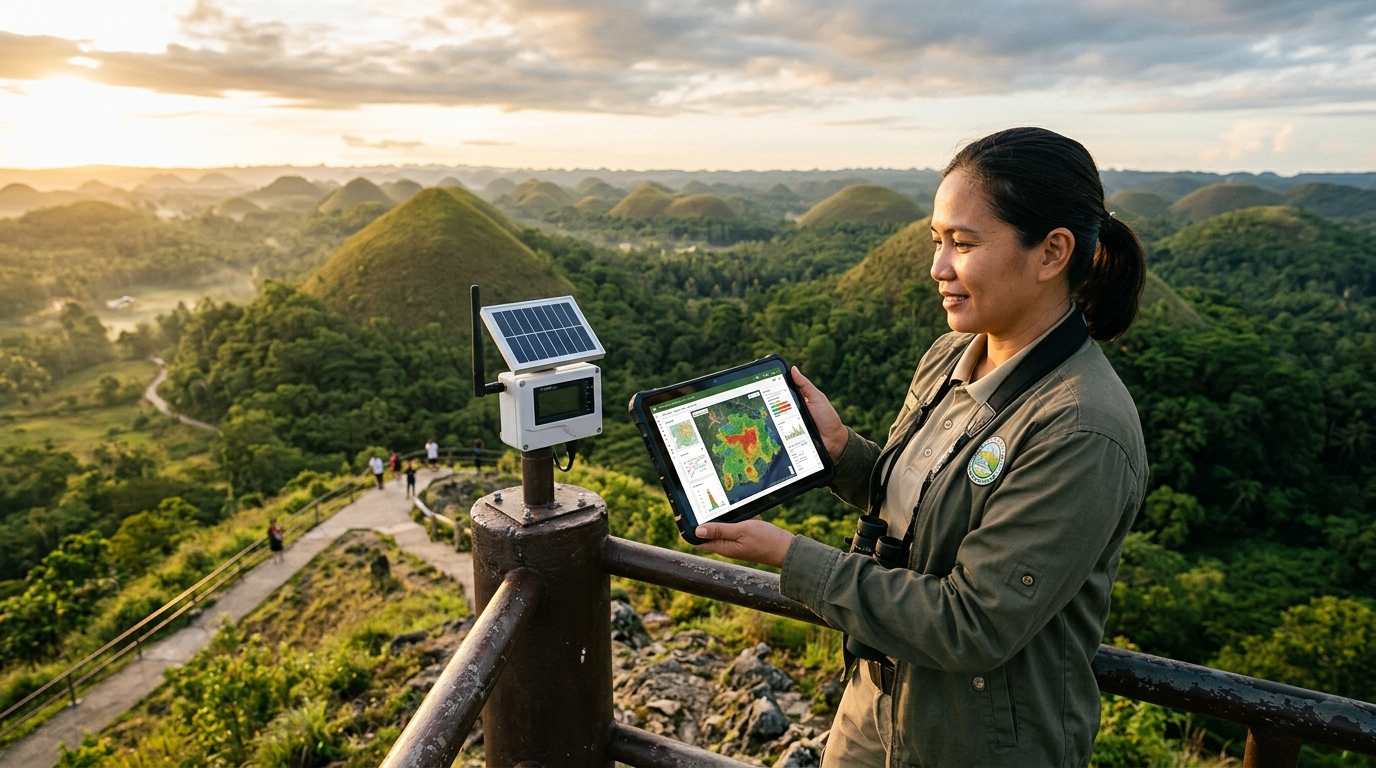
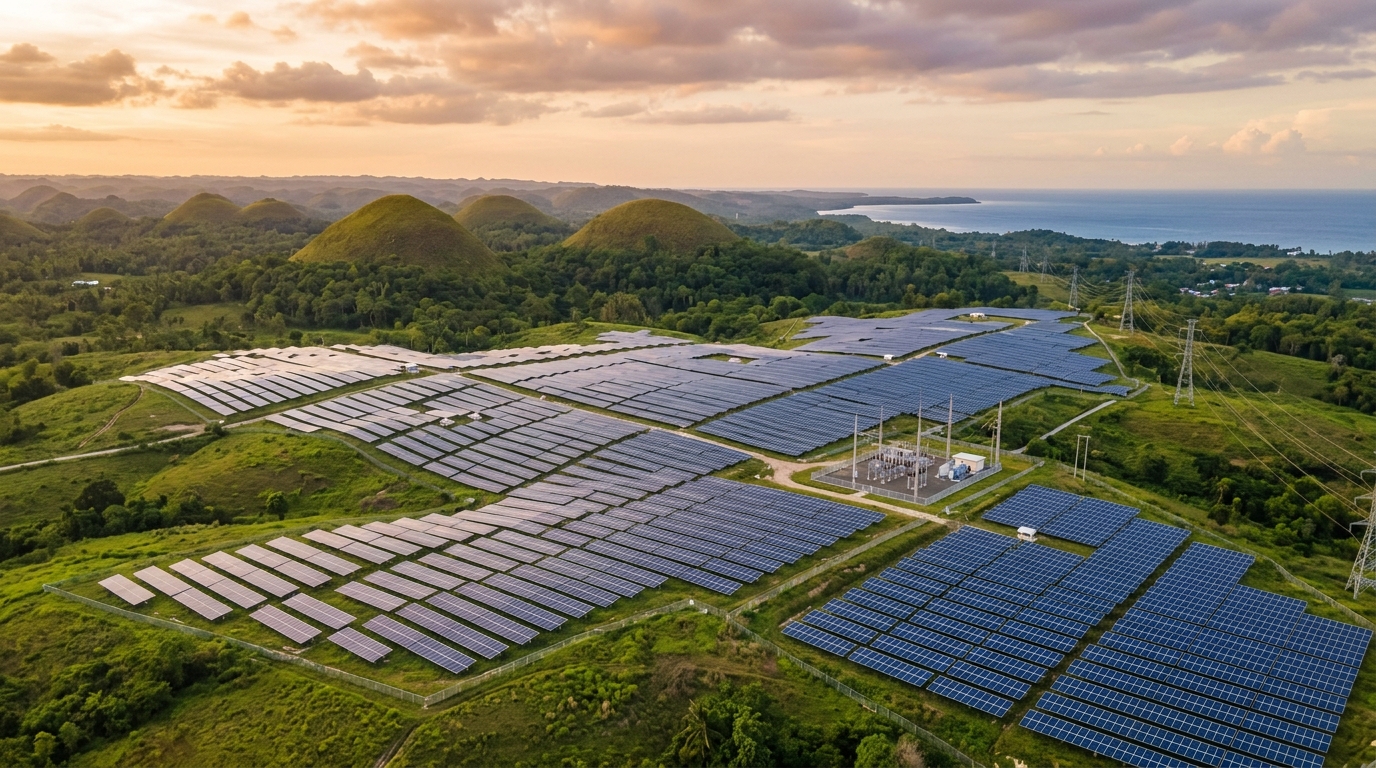
While the province has historically relied on underwater cables from neighboring islands for its power, the first week of May 2026 marks a definitive stride toward total energy independence. As of May 5, the 27-megawatt Dagohoy Solar Power Plant has hit its peak operational efficiency for the quarter, successfully supplying clean, renewable energy to over 18,000 Boholano households. This massive infrastructure project is the first in a series of planned solar parks, including an upcoming 130-megawatt facility in Ubay scheduled for later this year. For investors and residents, this shift signifies a move away from the volatile prices of imported fuel toward a localized, "Sun-Powered" economy that promises lower utility bills and a significantly smaller carbon footprint.
Building a Resilient Island Grid
The logic behind Bohol’s aggressive renewable push is a direct response to past vulnerabilities where typhoons or cable damage would leave the entire province in the dark for weeks. By decentralizing the power source through large-scale solar farms, the provincial government is creating a "modular" energy network that can sustain itself even if external lines are severed. This week, technical teams from PetroEnergy confirmed that the current output is already mitigating the usual summer power surges, ensuring that the tourism-heavy towns of Panglao and Tagbilaran remain operational without interruption. It is a sophisticated engineering solution that places Bohol at the forefront of the Philippines' green energy transition.
Economic Dividends for the Local Consumer
The transition to solar is not just a win for the environment; it is a tactical financial play that is already reflecting in reduced transmission charges for local cooperatives. These savings are being redirected into further rural electrification, ensuring that even mountain sitios have access to reliable light for education and small-scale business. For the 2026 homeowner, this development represents a "future-proofed" investment where property values are bolstered by the stability of the local utility infrastructure.
A Magnet for Green Investment
Bohol’s commitment to renewable energy is acting as a primary driver for the province's 2026 real estate boom, attracting developers who prioritize "Eco-Certified" residential and commercial builds. International firms looking for sustainable offshore operations are increasingly citing Bohol’s energy security as a reason to establish tech hubs in Tagbilaran City. The provincial government's roadmap ensures that by the end of 2026, more than 40% of the island's daytime power will come from indigenous, carbon-neutral sources. This high-energy transformation is effectively turning the "Province of Hills" into the "Island of Innovation," where nature and technology exist in a profitable, sustainable harmony.