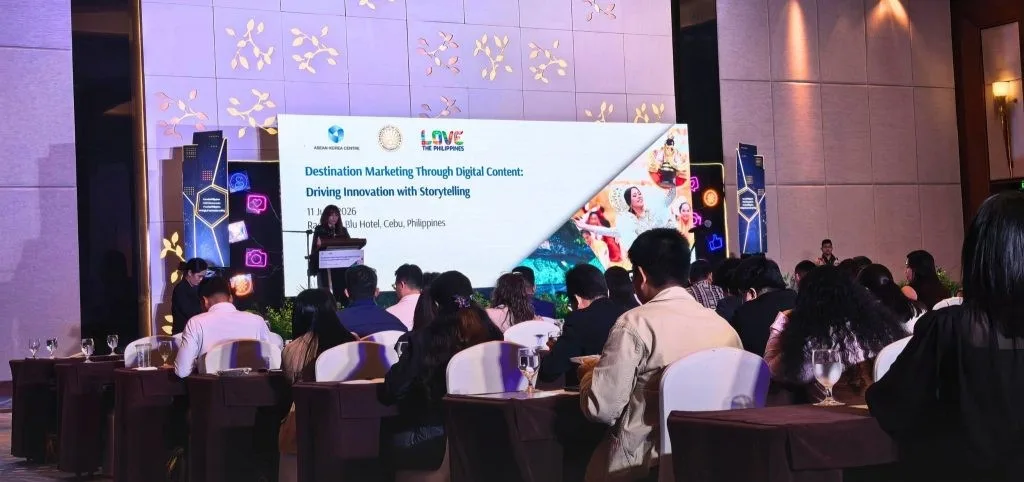
CEBU CITY — The Department of Tourism Central Visayas (DOT‑7) has equipped local tourism workers with powerful digital storytelling tools to attract more visitors, particularly from South Korea. A one‑day seminar on June 29, 2026 gathered industry stakeholders to master the art of creating engaging content that turns destinations into must‑visit experiences.
A New Skillset for the Digital Age
The training introduced participants to short‑form video production, drone photography, and data‑driven marketing strategies. South Korean technology experts and content creators led immersive sessions that went beyond traditional promotional methods. The goal was to help local destinations craft stories that resonate emotionally with today’s tech‑savvy travelers.
DOT‑7 OIC‑Regional Director Gelena Asis‑Dimpas emphasized that authentic narratives are now the backbone of effective tourism promotion. She urged stakeholders to highlight not just scenic views but the culture, people, and heritage behind each location. This shift moves marketing away from generic visuals toward genuine, shareable experiences.
Bridging the Gap to the Korean Market
South Korea remains the Philippines’ top source of international tourists, with 1.25 million visitors in 2025 contributing an estimated ₱89 billion in receipts. Korean travelers heavily rely on social media, peer reviews, and key opinion leaders when planning trips. This makes digital engagement not just an advantage but a necessity for destinations aiming to capture their attention.
The seminar aligned with the ASEAN‑Korea Centre’s mission to deepen people‑to‑people ties through digital innovation. By understanding Korean consumer behavior, Cebu’s tourism workers learned how to tailor content that speaks directly to this valuable market. The training also supported the broader ASEAN Tourism Marketing Strategy 2026‑2030, which prioritizes data‑driven promotion.
Hands‑On Learning from Korean Experts
Participants practiced creating short‑form videos and using professional photography gear during practical workshops. They explored how algorithms on platforms like TikTok and Instagram can amplify local travel stories. The sessions demystified complex digital trends, making them accessible even for those with limited technical backgrounds.
A key takeaway was that user‑generated content and reels now reach wider audiences faster than traditional advertising. The experts shared case studies of destinations that successfully used storytelling to boost visitor numbers. Local officers left with actionable strategies to immediately enhance their own promotional efforts.
Local Voices Embrace Storytelling
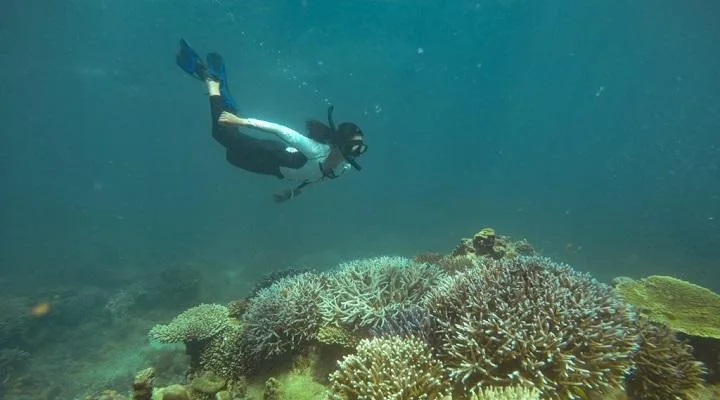
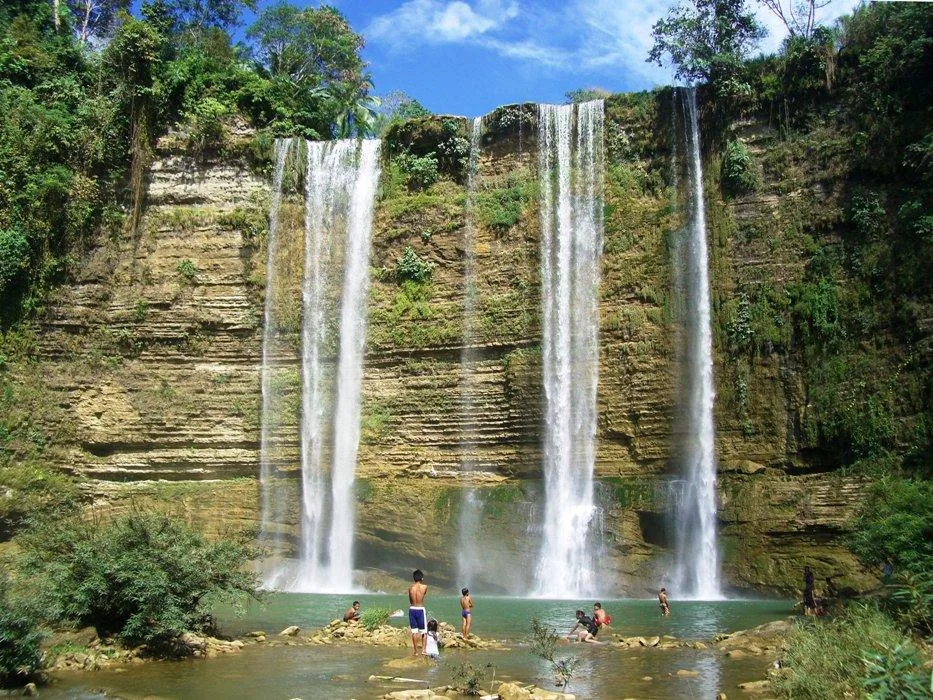
Reyna Mariz Quiñanola, a tourism staff member from Samboan, said the training transformed her approach to promoting her town’s natural wonders. She now plans to feature not only the waterfalls and beaches but also the stories of local communities and the unique experiences visitors can have. This personal touch, she believes, will attract tourists who seek deeper connections.
Quiñanola added that creating content that evokes emotion is essential. Short‑form videos showing authentic moments, like a local guide sharing a legend or a family preparing a traditional dish, can make a destination feel alive. Such content encourages potential travelers to imagine themselves in those very scenes.
A Sustainable Path to Tourism Growth
Director Asis‑Dimpas reinforced the importance of using digital influence responsibly. She called on creators and tourism officers to support micro, small, and medium enterprises through their content and to champion sustainable travel practices. The training emphasized that growth must not come at the expense of cultural and environmental preservation.
The DOT‑7 and its partners plan to continue offering similar workshops to build a digitally fluent tourism workforce across Central Visayas. By empowering local storytellers, the region is positioning itself to compete globally, one authentic video at a time.