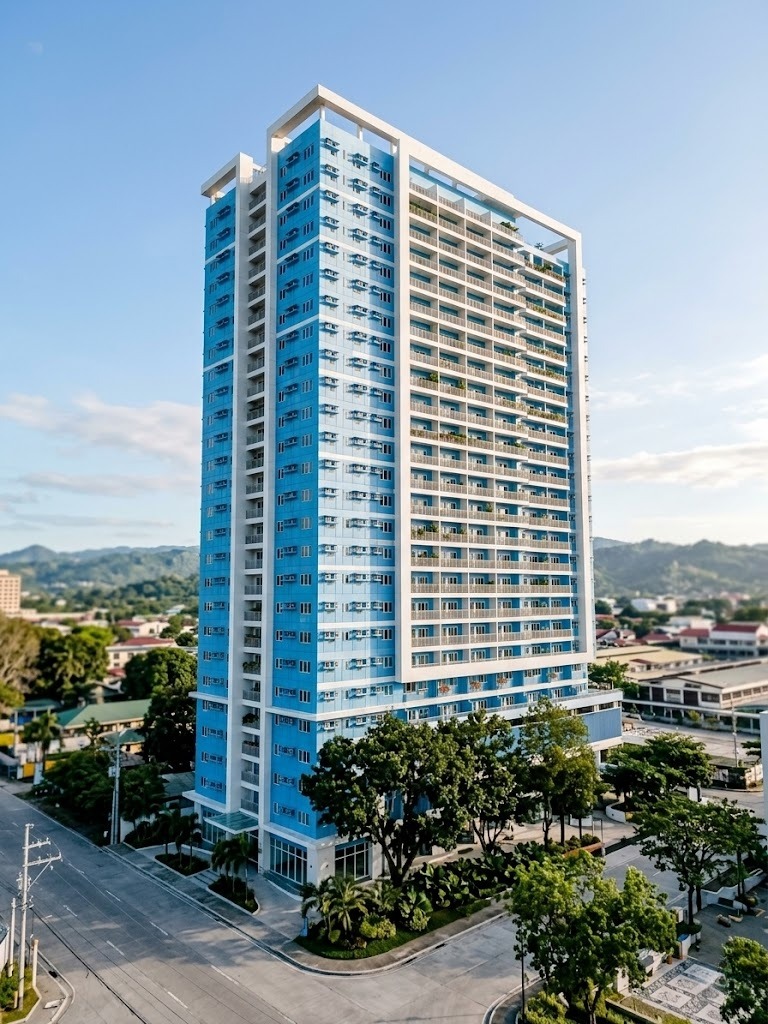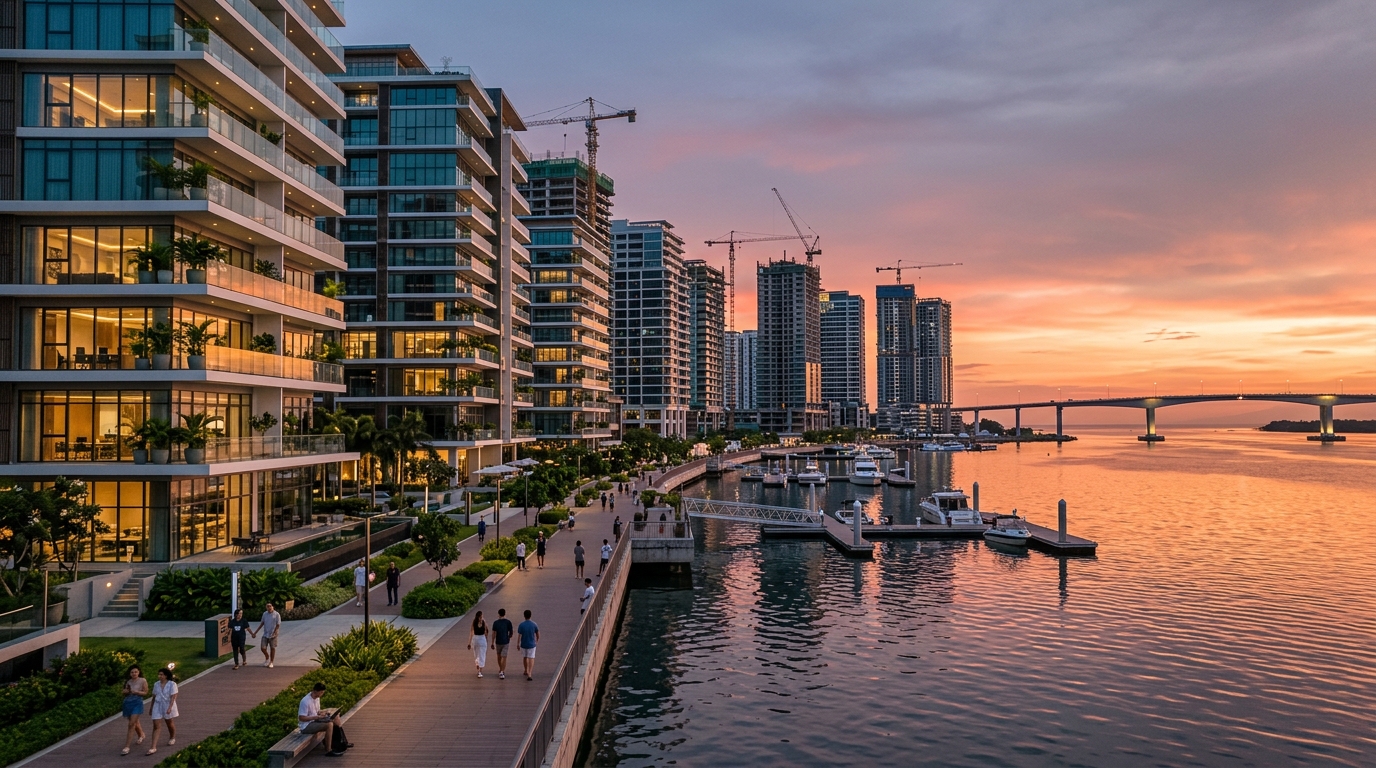
The skyline of Lanang is no longer just growing; it’s dominating the regional market. As of mid-April 2026, the waterfront corridor has officially become the most expensive piece of real estate in Mindanao, driven by a "lifestyle-first" revolution that is pricing out the casual investor.
The "Lifestyle-First" Premium Narrative
For the 2026 property investor, the story is about the scarcity of high-end waterfront space. As of early April, the Lanang-Sasa coastal corridor has outpaced the city average with a staggering 12% annual price growth. Buyers are flocking to "modern-tropical" developments that offer more than just a unit; they are purchasing access to wellness gardens, pet parks, and co-working lounges. This shift reflects a post-pandemic demand for "flexibility-first" layouts where homes must double as high-tech professional offices. The scarcity of these prime locations near the SM Lanang business hub is ensuring that valuations remain resilient despite national economic shifts.
Infrastructure as a Pricing Force Multiplier
This movement is driving a fundamental shift in long-term rental yields, which now reach up to 9.5% for units bought at pre-completion rates. The Samal Island Connector, scheduled for 2028, is already acting as a "price anchor" for the entire northern corridor, drawing in both domestic and foreign capital. Neighborhoods like Matina and Ecoland are seeing similar "infrastructure tailwinds" thanks to the partial opening of the Davao City Coastal Road segments. This connectivity is turning previously isolated coastal pockets into highly accessible, premium residential belts. For the 2026 market, proximity to these new transport arteries is the single biggest factor in capital appreciation.
The Resilience of End-User Demand
Market analysts note that Davao’s property boom is uniquely stable because it is driven by actual residents. Unlike other metropolitan bubbles, the 2026 surge is fueled by a resilient middle class and the city’s role as the Southern Philippines' economic headquarters. While luxury condos are the clear front-runners, compact townhouses in commutable areas are seeing steady gains of 8% as families prioritize security and smart-city amenities. This "steady-growth" profile is protecting the market from the boom-and-bust cycles seen in other Asian hubs. By late 2026, the market is projected to enter a "Golden Age" of residential density.