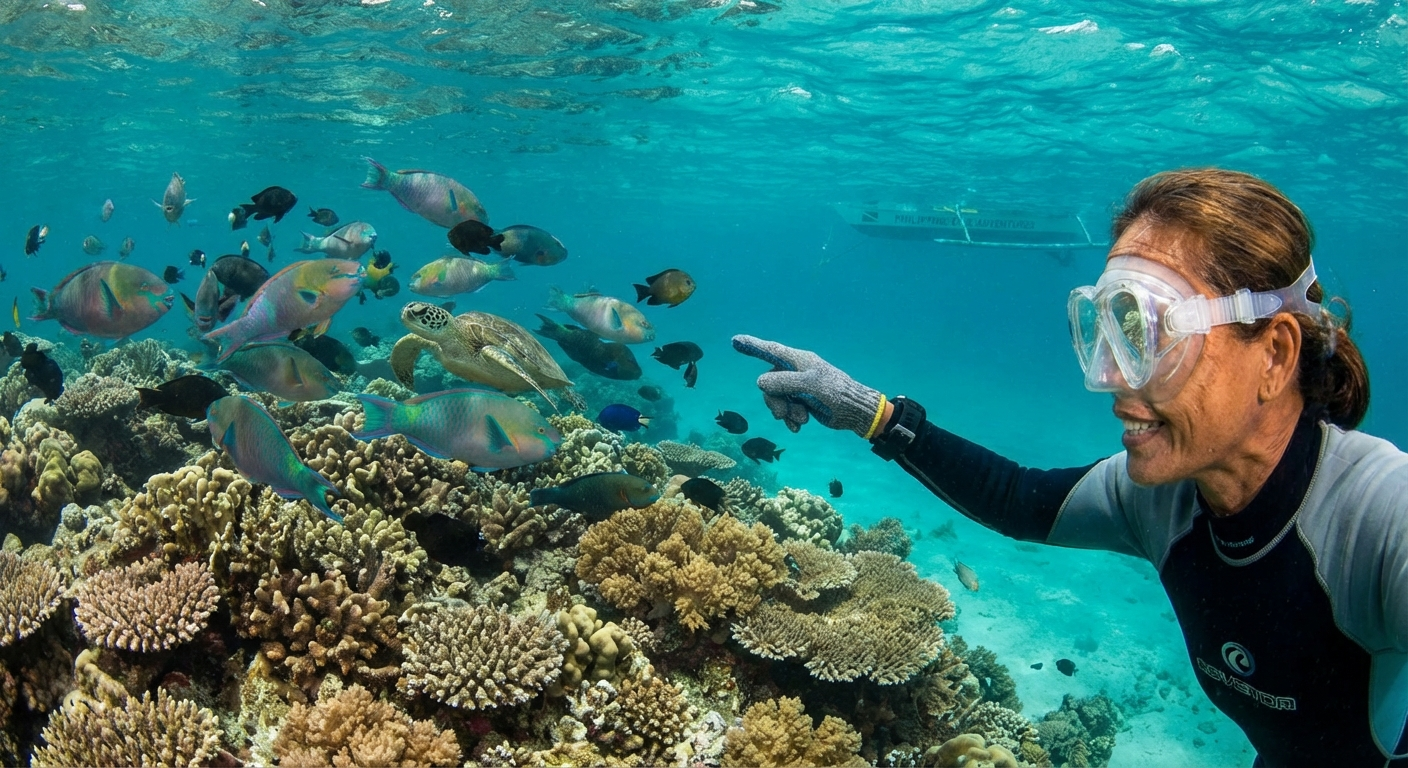
The Philippines is actively enhancing its global footprint in the dive tourism sector, underscoring its commitment through initiatives like its participation in the upcoming ADEX 2026. This strategic move signals the nation's intent to capture a larger share of the lucrative international dive market, leveraging its renowned marine biodiversity and vibrant underwater ecosystems that attract enthusiasts worldwide. While specific details regarding the scale and funding of this "push" were not fully elaborated in initial reports, the focus on ADEX 2026 — a prominent event in the dive industry — highlights a concerted effort by the Philippine government to position the country as a premier diving destination. Such an initiative is crucial for a nation that boasts thousands of islands, pristine coral reefs, and diverse marine life, all essential ingredients for a thriving dive tourism economy. Why It Matters For the Philippines, a robust dive tourism industry offers a potent pathway to economic recovery and sustainable development. Increased tourist arrivals translate directly into heightened demand for various services, from accommodation and transportation to food and beverage. This creates a ripple effect, stimulating growth for local businesses, small and medium enterprises, and informal sectors that support the tourism value chain. More importantly, it generates much-needed employment opportunities within the country, ranging from certified dive instructors and boat operators to hospitality staff, tour guides, and even artisans producing local crafts. This economic uplift can directly improve the living standards of countless Filipino families and provide viable domestic employment alternatives, potentially reducing the necessity for some to seek work as overseas Filipino workers (OFWs) in other countries. A thriving tourism sector can also strengthen the Philippine peso and attract further foreign investment. What Filipinos Need to Know This heightened focus on dive tourism presents a promising outlook for the Filipino workforce. Individuals interested in pursuing careers within the hospitality and tourism sectors, particularly in specialized fields like marine recreation and conservation, could find burgeoning opportunities. For OFWs currently working in service industries abroad, an expanding domestic tourism sector could eventually offer pathways for them to return home and contribute their skills and experience to local growth. Families of OFWs in the Philippines could also benefit indirectly from the overall economic boost, as local communities see improved infrastructure and increased commerce. It is vital for both the government and private sector to collaborate in providing adequate training and support to ensure Filipinos are well-equipped to capitalize on these emerging opportunities, fostering a skilled workforce ready to deliver world-class tourism services.