Nestled within the shimmering waters of Honda Bay, just a short boat ride from Puerto Princesa’s Sta. Lourdes Wharf, lies one of Palawan’s most intriguing natural phenomena Luli Island. Its name is a playful contraction of the Filipino phrase "Lulubog – Lilitaw" (to sink and to rise), a literal description of how the island disappears during high tide and reveals its pristine sandbars as the water recedes. As of mid May 2026, Luli remains a centerpiece of the "Honda Bay Island Hopping" circuit, attracting travelers who want to experience the ephemeral nature of the Philippine coastline.
The "Lulubog-Lilitaw" Experience
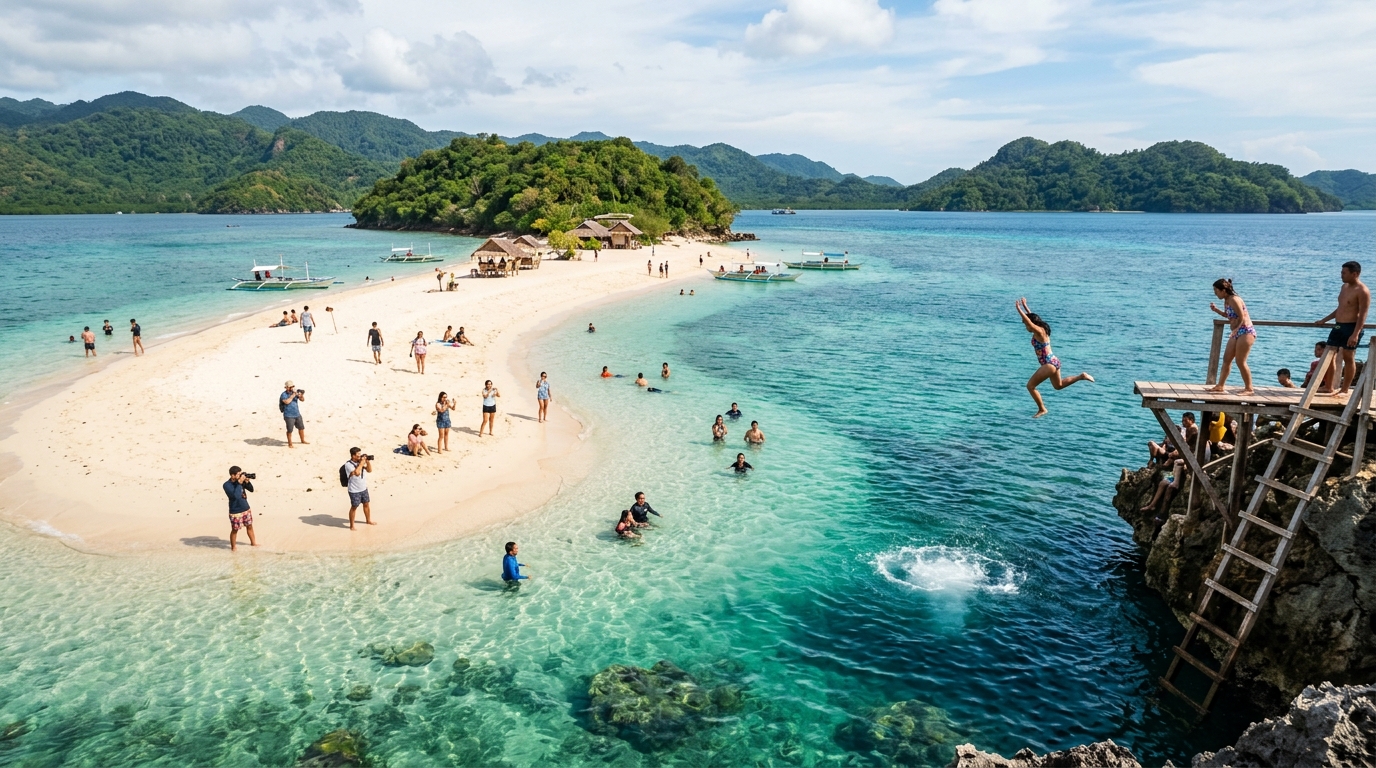
The primary allure of Luli Island in 2026 is its physical transformation throughout the day. During low tide, the island stretches out into three distinct, powdery white sandbars, creating shallow, turquoise "swimming pools" perfect for families. However, as the tide rises toward the afternoon, the sandbars vanish, leaving only the elevated wooden huts and boardwalks seemingly floating on the open sea. This rhythmic cycle makes Luli a favorite for photographers seeking that "middle of the ocean" aesthetic without the deep water risk.
Adrenaline and Marine Life
For those seeking more than just sunbathing, Luli Island has upgraded its recreational facilities this season. The island is now home to a popular wooden diving platform where visitors can plunge into a 10-foot deep natural pool. Additionally, the surrounding waters have been designated as a "Managed Snorkel Zone" for 2026, allowing visitors to see schools of colorful sergeant majors and the occasional blue-spotted ribbon tail ray. The island’s management has also strictly enforced a "No-Plastic" rule, ensuring that the marine life remains undisturbed by urban waste.
The Floating Gastronomy
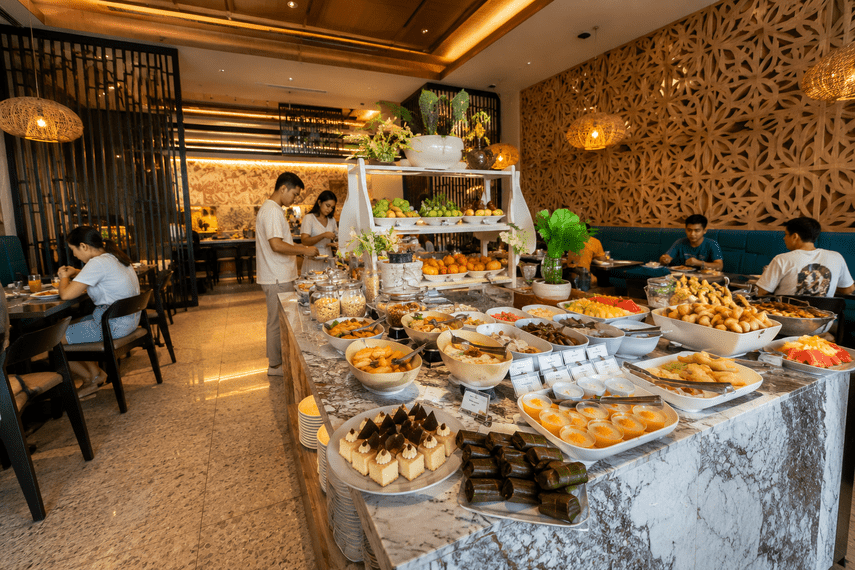
Dining on Luli Island has become a highlight of the 2026 lifestyle in Palawan. Most island-hopping tours now include a "Boodle Fight" or a local BBQ buffet served under the nipa-roofed cottages. Local favorites like grilled liempo (pork belly) and fresh sea grapes (lato) are staples here. Because the island's footprint is so small, there is a sense of "maritime community" as different tour groups share the space, making it one of the most social stops in Honda Bay.