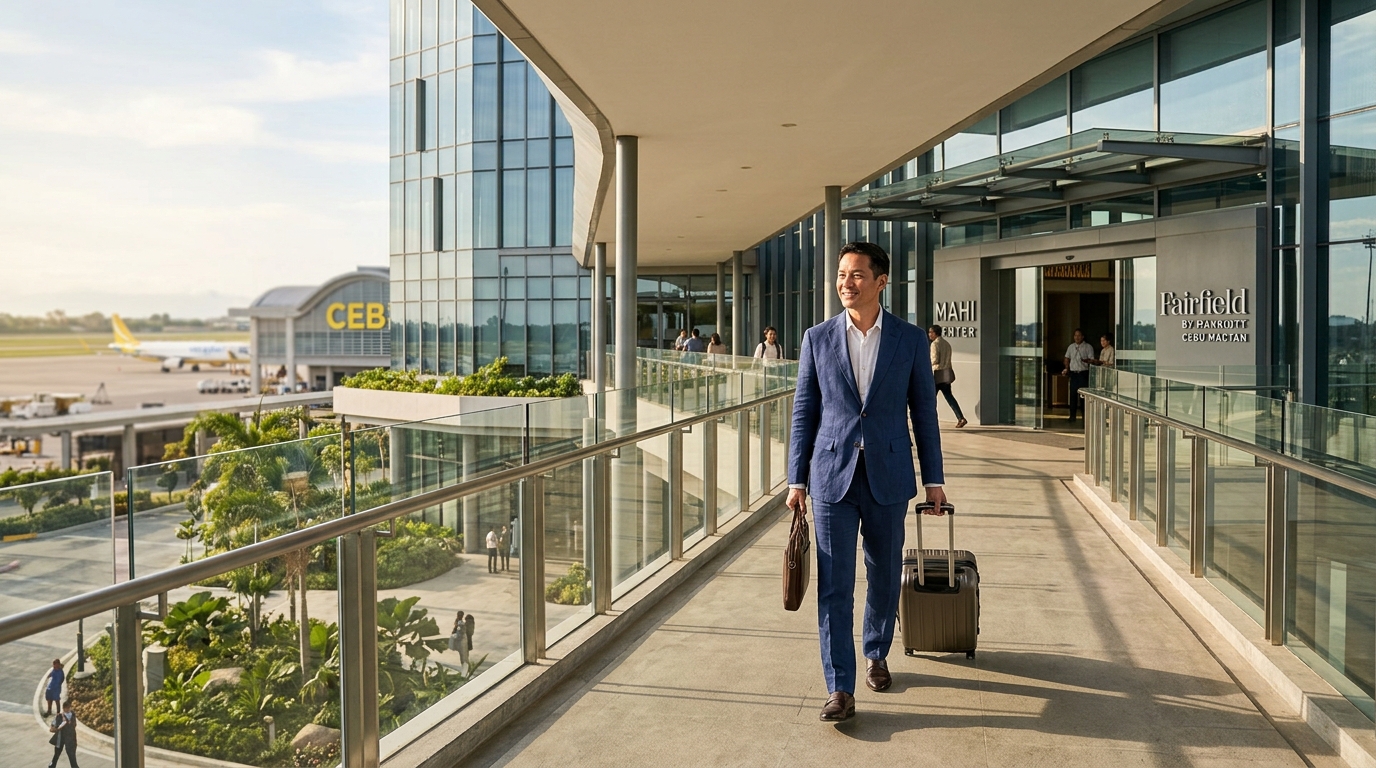
The journey from the terminal to the office just became a two-minute stroll. This Wednesday, April 15, 2026, Mactan officially unveiled its newest integrated business hub, signaling a major victory for Lapu-Lapu City’s goal of becoming a global "Aerotropolis" that bridges the gap between international transit and island luxury.
The "Zero-Commute" Business Narrative
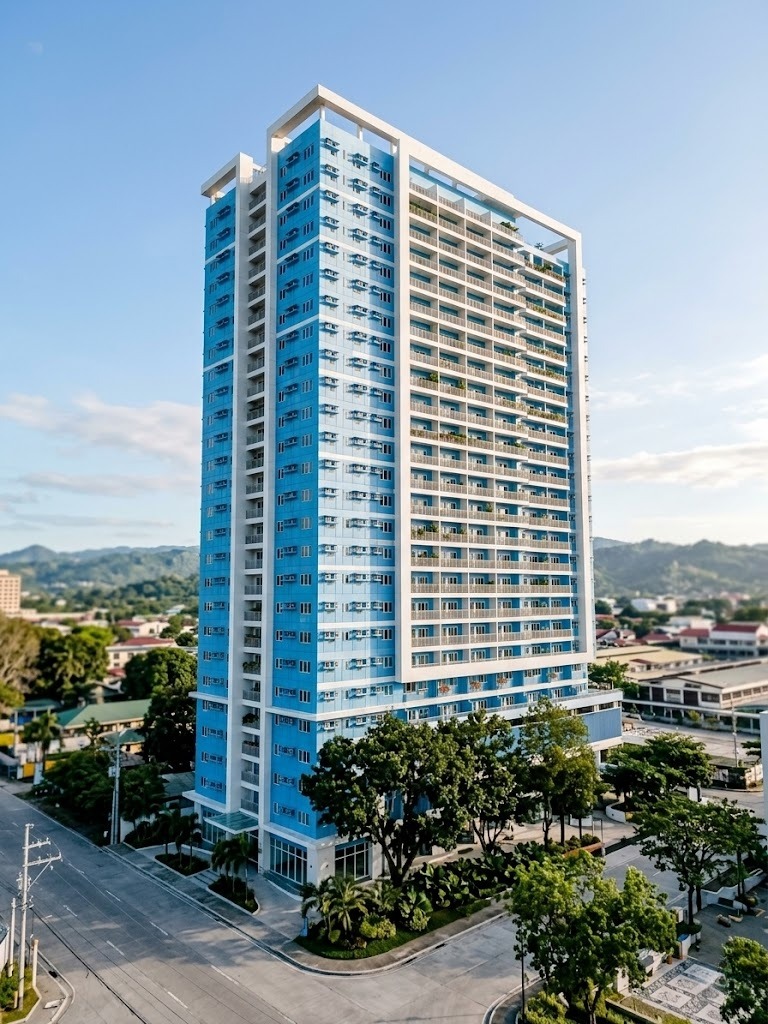
For the 2026 corporate locator, the story is about the elimination of travel friction. Located just minutes from the Mactan-Cebu International Airport, the Mahi Center serves as a 52,000-square-meter ecosystem where professionals can land, work, and sleep within a single city block. This project is the centerpiece of AppleOne Group's strategy to build "ecosystems" rather than just buildings. By integrating a world-class Marriott brand with high-spec office spaces, the development is attracting multinational firms that prioritize executive efficiency and connectivity. It is a physical manifestation of Cebu’s emergence as a world-class destination for modern business.
Hospitality Integration for the Hybrid Traveler
This movement is driving a new standard for "Transit-Luxury" hospitality in the region. The Fairfield by Marriott Cebu Mactan is designed specifically for the 2026 "Bleisure" traveler—those who blend business trips with leisure stays. With 196 rooms optimized for both work and relaxation, the hotel serves as a strategic base for digital nomads and corporate delegates attending the CIIS 2026 summits. The hospitality sector is seeing a significant boost from this integration, as the hotel's amenities provide high-end social spaces for the surrounding IT-BPO community. This synergy is proving that "airport hotels" are no longer just for layovers; they are lifestyle destinations.
Economic Catalyst for Barangay Ibo
Local analysts note that the launch of the Mahi Center is accelerating the transformation of the Ibo district into a premium commercial node. The project’s commercial and retail components are introducing global brands and dining concepts to a neighborhood previously dominated by industrial zones. This vertical integration is creating hundreds of localized jobs while maximizing the land value of the airport corridor. As the provincial government pushes for more Public-Private Partnerships (PPPs) in infrastructure, the Mahi Center stands as the primary blueprint for successful urban integration. By the end of 2026, the district is expected to be the most active business corridor in Lapu-Lapu.