



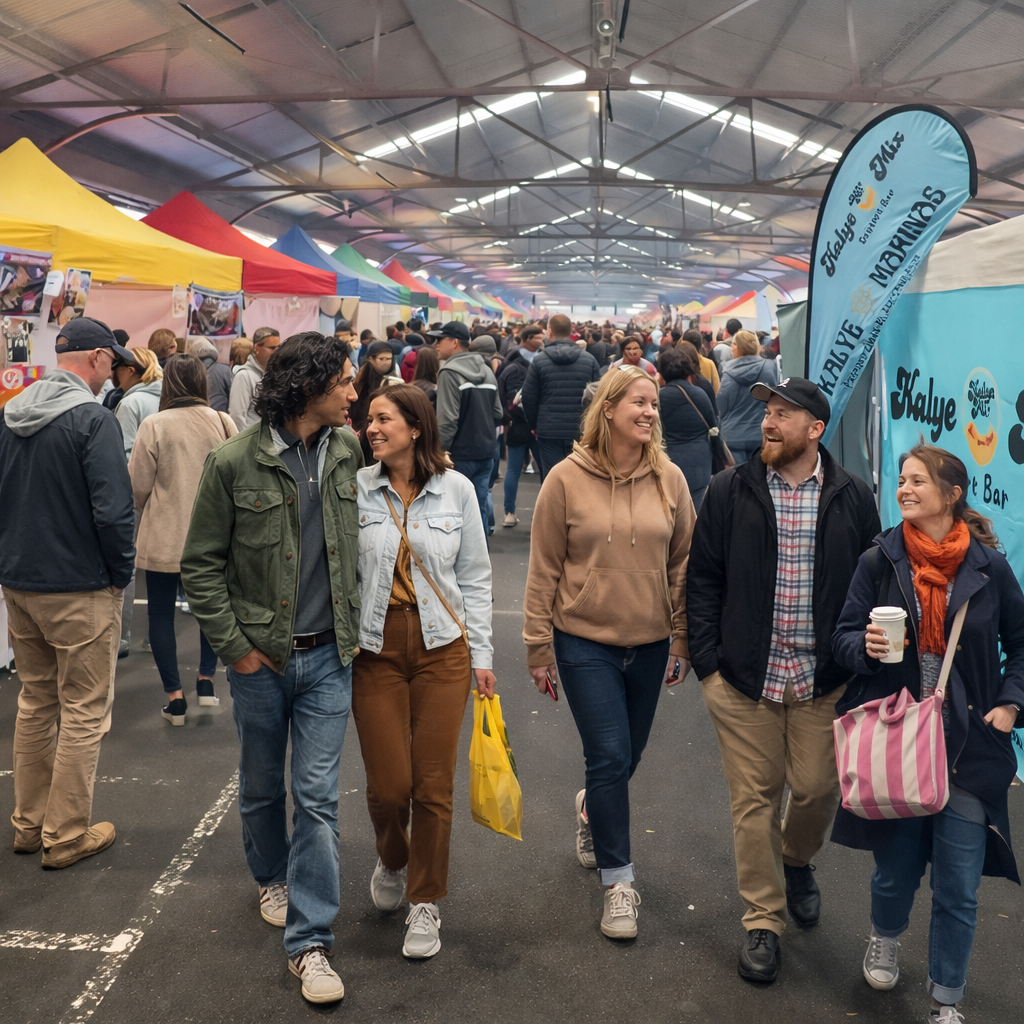
MELBOURNE, AUSTRALIA — The Philippine Grand Fiesta 2026 transformed Queen Victoria Market into a vibrant showcase of Filipino pride on June 20–21. Honoring the 128th Anniversary of Philippine Independence, the two‑day event drew thousands of Filipino‑Australians and local visitors for a weekend of music, food, and cultural heritage.
A Weekend of Heritage and Celebration
The fiesta opened Saturday with a parade of regional dances that brought the sounds of Mindanao and the Visayas to Melbourne’s historic sheds. Performers in colorful ternos and malongs spun stories of bayanihan and resilience. The program, anchored by TFC and WorldRemit, offered both nostalgia for first‑generation migrants and discovery for their Australian‑born children.
Throughout the market, stalls displayed handwoven crafts and historical exhibits detailing milestones of Philippine independence. Volunteers guided curious visitors through interactive displays on pre‑colonial maritime trade, the ilustrado movement, and modern democracy. The festival served as a living classroom, reinforcing identity while inviting outsiders to understand the depth of Filipino history.
Sam Milby’s Homecoming to His Kababayans
Sam Milby’s arrival on Sunday electrified the crowd. Fresh off a Qantas flight, the actor‑singer wasted no time greeting fans before his TFC Happy Hour set at 1:00 PM. Accompanied only by his acoustic guitar, he delivered a one‑hour performance of OPM classics that had the audience singing every word.
Beyond the music, Milby hosted trivia games and called volunteers onstage for impromptu duets. A meet‑and‑greet after the set allowed overseas Filipino workers and long‑time residents to share brief moments of connection. Many attendees later remarked that seeing a homegrown star perform so intimately made Melbourne feel a little closer to Manila.
A Culinary Pilgrimage for Every Food Lover
The food stalls formed the beating heart of the fiesta, offering a sensory trip through the archipelago’s regional cuisines. Vendors scooped bowls of halo‑halo, sliced slabs of lechon, and ladled steaming adobo into takeaway containers. The scent of grilled isaw and freshly fried turon drifted across the cobblestones, pulling visitors toward the market sheds.
Demand overwhelmed some of the most popular booths, with queues stretching up to two hours during Saturday’s peak. Organizers urged families to arrive early Sunday morning to beat the lunch rush. Despite the wait, diners considered the feast a small price for a taste of authentic home cooking prepared by community cooks.
Dancing and Drumming Through the Streets
Ati‑Atihan‑style street dancing injected raw energy into the weekend. Drum‑beating contingents painted in soot and vibrant feathers paraded through the open corridors, recreating the exuberance of Kalibo’s famous festival. Children on their parents’ shoulders clapped along, their laughter echoing off the century‑old market walls.
Traditional suites like Singkil and Tinikling followed, with dancers weaving through bamboo poles and golden fans. The choreography, passed down through generations, mesmerized multicultural audiences unfamiliar with the Philippines’ pre‑colonial epic poetry. Each performance received sustained applause, with many attendees vowing to visit the Philippines after witnessing the rich cultural tapestry.
Connecting Generations and Cultures
Beyond the entertainment, the Philippine Grand Fiesta functioned as a bridge between the first‑generation migrants who built Melbourne’s Filipino community and their Australian‑raised children. Language barriers melted as grandparents explained the significance of the carabao and the sarimanok to wide‑eyed grandchildren. The event ensured that heritage survives in a new land.
Organizers praised the collaboration between Ed Guevarra Festivals, community volunteers, and sponsors for making the massive celebration possible. Plans are already underway for a larger fiesta in 2027, reflecting the growing demographic and cultural influence of Filipino‑Australians. As the last notes of Sunday’s closing number faded, the message was clear: the spirit of the Philippines thrives wherever its people gather.
