CAGAYAN DE ORO — Mindanao is currently at a critical turning point as its regional economies increasingly outshine the national gross domestic product growth rates. While historical narratives often confined the island to a cycle of struggle and dependency, recent data from 2025 indicates that five of its six regions—Caraga, Davao, Bangsamoro, Northern Mindanao, and Soccsksargen—surpassed the country’s 4.4 percent national growth average. This shift suggests that Mindanao is moving toward a more autonomous and robust economic identity. The challenge ahead lies in transforming this momentum from mere resource extraction into a high-productivity platform that benefits every community, from the coastal fishing villages to the vibrant urban centers.
Transforming Agricultural Heritage Into Modern Industrial Economic Platforms
To sustain its impressive growth, Mindanao must evolve beyond its traditional role as the country’s primary farm and mine. While the island currently leads in the production of export-grade commodities like bananas, pineapples, and coconut products, the path to a higher-income economy lies in value-added processing and sophisticated supply chains. By establishing regional hubs for agri-tech, cold-chain logistics, and food processing, the island can create higher-paying jobs that keep young talent within their home provinces. This transition requires a concerted effort from universities, business leaders, and the government to bridge the gap between raw agricultural output and high-value manufacturing that can compete on the global stage.
Bridging The Infrastructure Gap To Connect Regional Markets
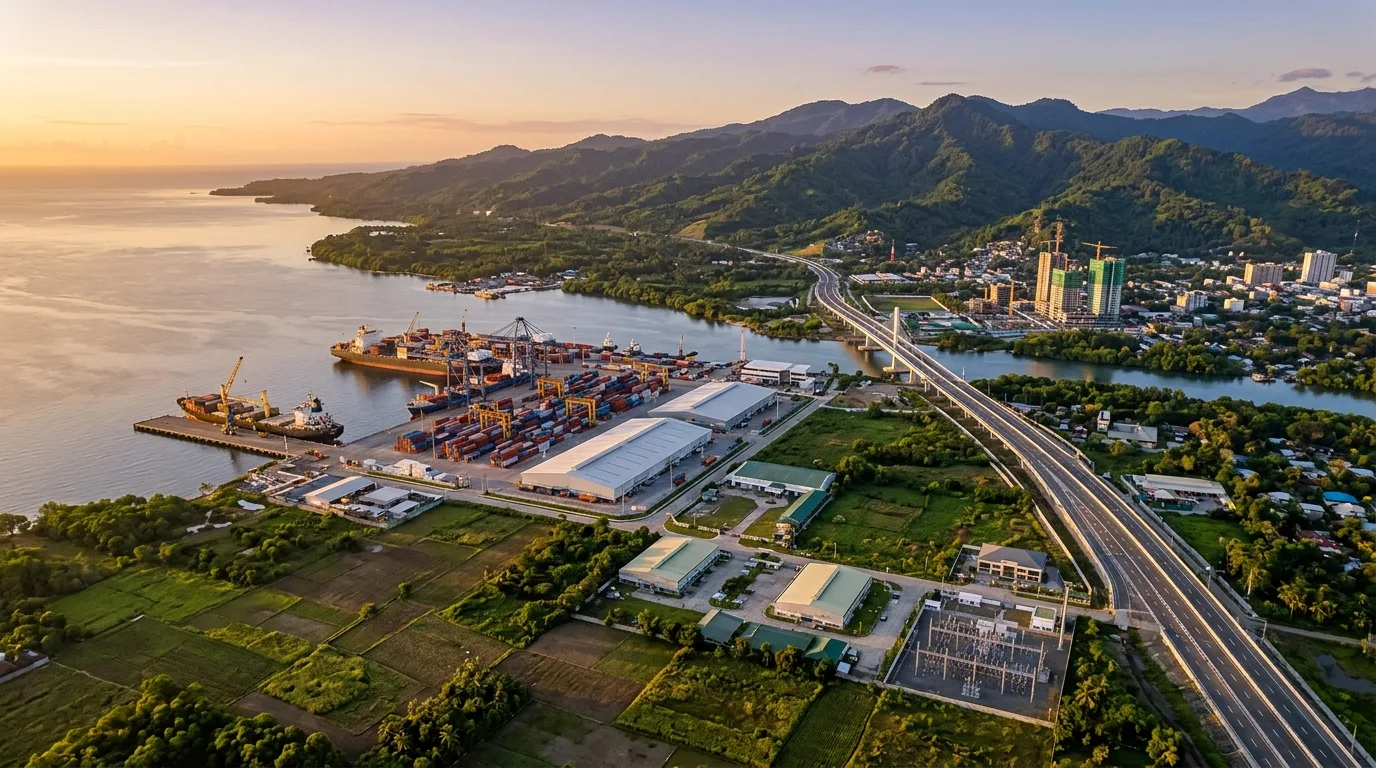
The success of Mindanao’s growth trajectory is inextricably linked to the quality of its infrastructure, particularly the connectivity between its ports, industrial zones, and rural production areas. While recent expansions in power generation and transport networks have improved local capabilities, the region requires reliable, climate-resilient logistics to ensure goods can reach markets in Luzon and the Visayas at a competitive cost. Beyond physical roads, there is an urgent need for robust digital infrastructure that allows local enterprises to plug into the national and international economy. When small cities and farming cooperatives are effectively linked to these modern arteries, they gain the capacity to scale their operations and participate more fully in the national economic narrative.
Ensuring Growth Reaches Every Corner Of The Island
True progress in Mindanao will not be measured by the performance of a single tower in a commercial district but by the upliftment of marginalized communities in the most remote provinces. Distributing wealth requires policies that promote inclusive enterprise, such as strengthening farmer-processor cooperatives and ensuring that indigenous and Bangsamoro communities have lawful, productive access to regional opportunities. As the region navigates the complexities of the 2026 economic landscape—including global supply chain pressures and energy demands—the focus must remain on policies that foster stability and long-term confidence. By nurturing a culture of innovation and protecting the ecological assets that define the island, Mindanao can lead the Philippines into a more balanced and prosperous future.