



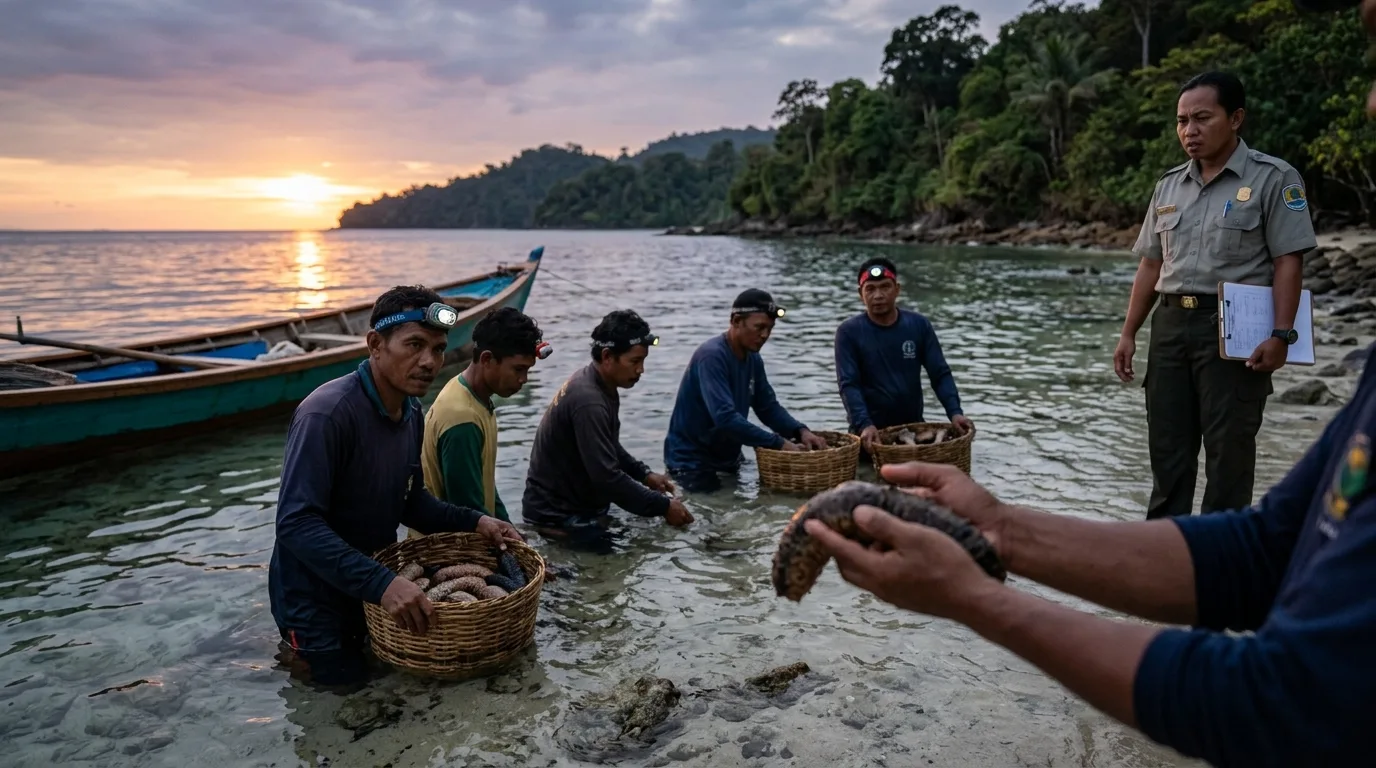
PALAWAN — The Rasa Island Wildlife Sanctuary in Narra, Palawan, has long been recognized for its critical role in biodiversity conservation, yet it remains a focal point for studies regarding the health of local marine resources. Recent scientific assessments have highlighted the status of sea cucumber fisheries within this protected zone, revealing a delicate balance between local livelihoods and the necessity for ecological preservation. As communities depend on these resources for their daily income, the ongoing monitoring of species abundance and harvest efficiency becomes a vital component of sustainable coastal management. This research not only provides a snapshot of current fishery health but also emphasizes the importance of science-based policies to prevent the depletion of these essential marine inhabitants.
Evaluating The Abundance And Harvesting Patterns Within Protected Zones
The survey conducted across the sanctuary’s intertidal and shallow subtidal reefs revealed an average density of approximately 53 individuals per hectare, with a collection method primarily involving long poles with metal tips. While the density of targeted species such as Holothuria scabra varied significantly across study areas, the overall capture efficiency remains a concern for long-term ecological stability. Fishermen typically spend five hours per operation to secure their catch, yet the resulting daily yield falls short of providing a substantial economic return. These findings highlight that the current fishing intensity may be unsustainable, especially when the harvested sizes are consistently smaller than the maturity thresholds observed in other managed regions.
Addressing The Economic Reality Of Small Scale Coastal Fisheries
For the coastal inhabitants of Narra, the sea cucumber trade is more than a livelihood; it is a traditional practice that supports families, though current earnings remain relatively modest. The data indicates that projected monthly income from this activity is quite low, forcing a closer look at whether the reliance on this specific resource is economically viable for the community in the long run. By documenting these financial realities, experts are advocating for more robust local policies that could better manage the sanctuary’s resources while exploring alternative sustainable income opportunities. Transitioning toward diversified livelihoods could alleviate the pressure on the marine sanctuary, ensuring that both the ecosystem and the local economy remain resilient.
Promoting Long Term Biodiversity Through Evidence Based Local Policy
The findings regarding the Rasa Island Wildlife Sanctuary serve as a clear call to action for environmental managers and local government units to tighten harvesting regulations. Continued collection of undersized specimens is a critical threat that could lead to localized extinction if not addressed by immediate, community-driven interventions. The sanctuary is already a beacon of hope for other species—such as the Philippine cockatoo—demonstrating that intensive management and community wardening can successfully reverse population declines. Applying this same rigorous level of care to the marine environment is the next logical step in ensuring that Palawan’s coastal heritage remains vibrant for years to come.
