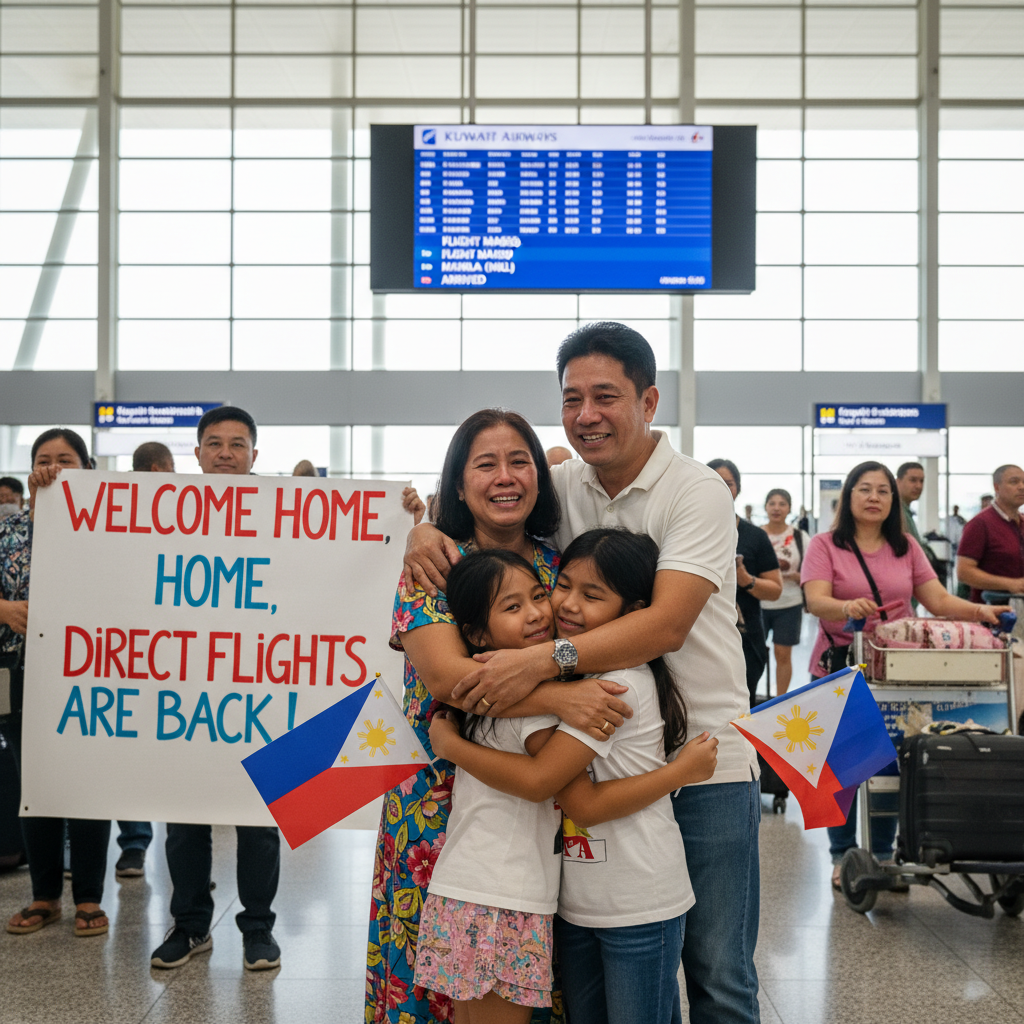
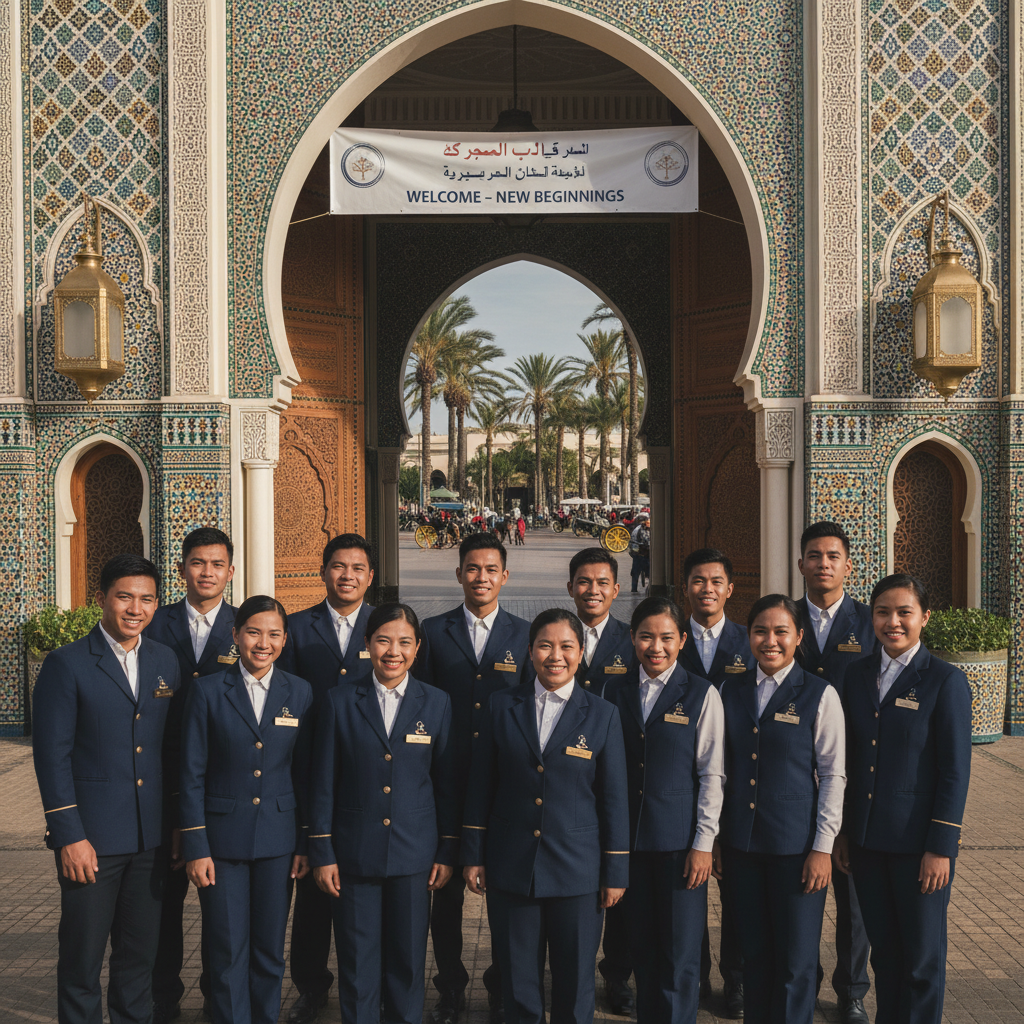
As global conflicts rattle traditional labor markets in the Middle East, a North African nation is emerging as an unexpected bright spot for Overseas Filipino Workers (OFWs). Morocco’s tourism industry has recorded an unprecedented surge in the first quarter of 2026, with foreign currency earnings jumping 24% to MAD 31 billion (approximately $3.1 billion USD), according to the country’s Ministry of Tourism. International visitor arrivals also rose 7% to 4.3 million in the same period, signaling a robust recovery that is now creating thousands of new jobs in hotels, restaurants, and resorts. For Filipino workers known worldwide for their hospitality expertise, this boom could translate into a promising new destination—especially as the Philippine government pushes for a formal labor agreement with Morocco.
A Sector That Outpaced Its Own Targets
The tourism surge is not a fleeting trend. In 2025, Morocco welcomed nearly 20 million visitors and generated over MAD 138 billion in tourism revenues, already exceeding the targets set under its 2023–2026 roadmap. The sector now supports 894,000 direct jobs, adding 92,000 positions over three years—surpassing its goal of 80,000 new jobs. Tourism Minister Fatim-Zahra Ammor has described the growth as a shift “beyond volume growth toward higher value generation,” with visitors spending significantly more per trip than before. To sustain this momentum, Morocco is investing heavily in workforce development, including 26 new training tracks and a “Kafaa” program to certify 5,000 tourism workers this year.
A New Labor Frontier for Filipino Workers
For OFWs, Morocco presents a compelling alternative to oversaturated markets. Currently, around 4,600 Filipinos work in Morocco, primarily in households, beauty salons, construction, and restaurants. But the tourism boom is driving demand across hospitality roles. Job postings from major international chains like Hilton and Marriott, as well as luxury resorts in Marrakech and Taghazout Bay, have been spotted for positions ranging from executive housekeepers and restaurant managers to stewarding chefs and guest service supervisors.
What makes this moment particularly significant is the growing interest from Moroccan employers in Filipino nurses and skilled hospitality professionals. Philippine Ambassador to Morocco Leslie Baja has noted that Moroccan stakeholders have expressed interest in hiring Filipino nurses, though current regulations restrict foreign workers in the health sector to doctors. “They said that they are looking into our nurses. It seems that there is an interest,” Baja told the Philippine News Agency.
A Bilateral Labor Accord in the Works
The Philippine and Moroccan governments are actively working on a labor cooperation memorandum of understanding (MOU) that would strengthen protections for Filipino workers and potentially open the market wider. “This will be a win-win solution. The agreement could help in the protection of our workers here and open the market also for professionals to work in Morocco,” Baja said. Formal talks are expected to begin within the year, with the MOU seen as a first step toward a more comprehensive labor agreement.
For OFWs, this could mean clearer legal pathways, better safeguards, and more job opportunities—particularly as Morocco pushes toward its 2030 target of 26 million tourists annually. The country has already expanded air connectivity, adding 80 new air routes in 2025 and securing 14.5 million airline seats for 2026, a nearly 20% increase, which will further fuel demand for hospitality staff.
What OFWs Need to Know
While the prospects are promising, OFWs considering Morocco must exercise due diligence. Currently, no formal government-to-government labor agreement exists. The Philippine Embassy in Rabat, which also covers Libya, Algeria, Chad, Mali, Niger, Mauritania, and Tunisia, has been advocating for stronger worker protections. The DMW’s Migrant Workers Office in Rabat serves as the primary point of assistance for Filipinos in the region.
Prospective job seekers should verify employers through legitimate recruitment agencies accredited by the Philippine Overseas Employment Administration (POEA) and ensure contracts comply with Moroccan labor laws. The Embassy has noted that while opportunities are growing, the market remains relatively small compared to traditional destinations like Saudi Arabia or the UAE. Filipino workers are advised to monitor official DMW advisories and consult with the Philippine Embassy before committing to any overseas placement.
A Frontier Worth Watching
For the Philippines-Morocco bilateral relationship, 2026 could be a turning point. As the two nations prepare to celebrate nearly five decades of diplomatic ties, the convergence of Morocco’s tourism-driven job creation and the Philippines’ need for new, safer overseas markets could finally translate into a steady flow of Filipino professionals to the North African kingdom. The numbers are undeniable: 4.3 million tourists, 24% revenue growth, and a government that needs skilled hands to keep the momentum going. For OFWs willing to look beyond traditional horizons, Morocco might just be the next big frontier.