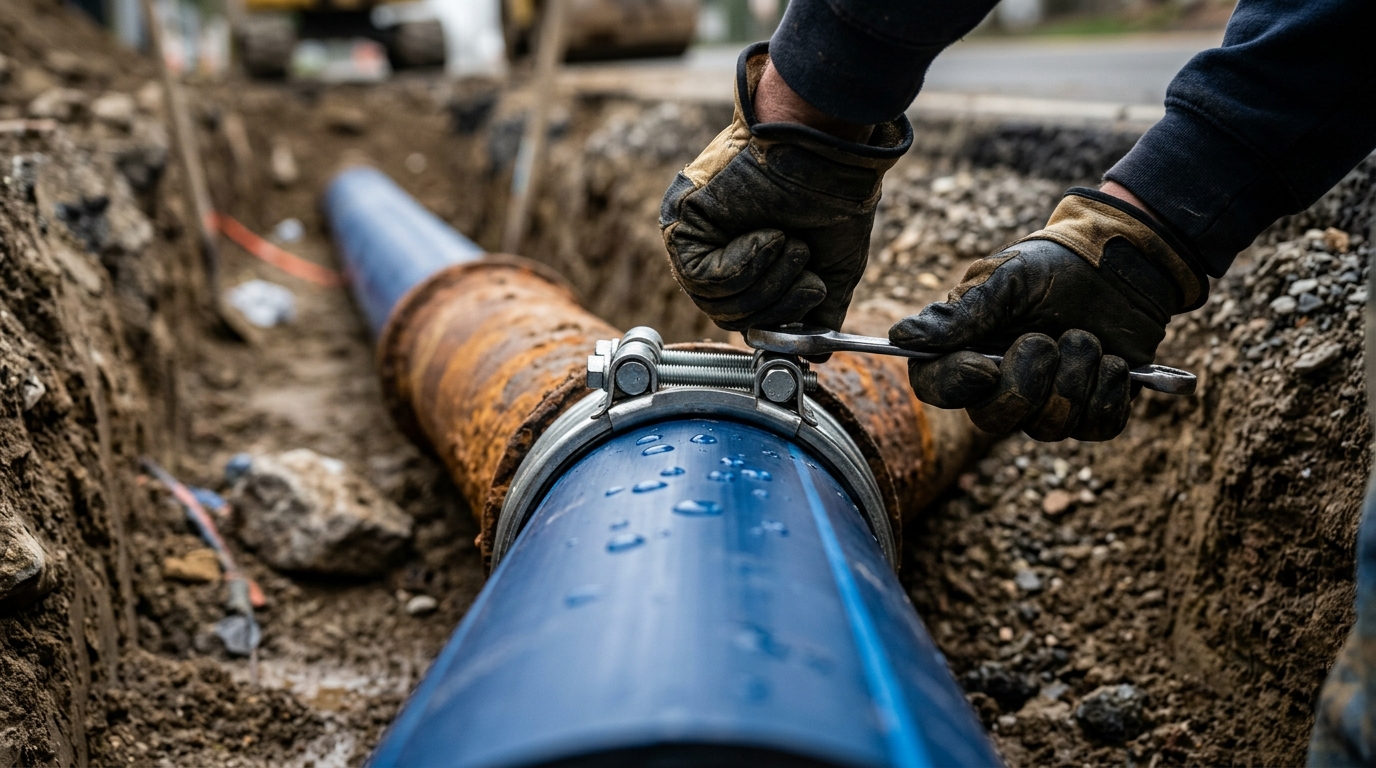
ILOILO CITY — Metro Pacific Iloilo Water has committed to completing the HS Jaro Pipe Replacement Project by September 2026, nearly two years after civil works began in August 2024. Chief Operating Officer Angelo David Berba confirmed the timeline during a May 13 City Council session, noting that round‑the‑clock pipe‑laying operations that began on March 6 have brought the project to 35 percent completion. Once finished, the nearly 15‑kilometer pipeline will slash non‑revenue water losses in Jaro from approximately 70 percent to 20 percent, recovering about 10 million liters daily.
Berba attributed delays to poor workmanship by the original contractor, whose contract has since been terminated, and to shipment delays for imported pipe fittings caused by global supply chain disruptions. "Right now, our projection is to finish this in September. We exhaust our means to finish that by the said date," he said. The project runs along Lopez Jaena Street and the Old Iloilo‑Capiz Road, stretching from Ungka Terminal to Jaro Plaza and crossing Barangays Ungka, San Isidro, and Benedicto.
A 10‑Million‑Liter Recovery That Changes the Development Map
Ten million liters per day is not merely a water utility statistic. It is enough supply to serve approximately 5,000 additional households across Jaro and the adjacent district of Mandurriao. For developers evaluating land acquisitions in these barangays, the recovery converts parcels previously constrained by unreliable water access into viable residential and commercial sites.
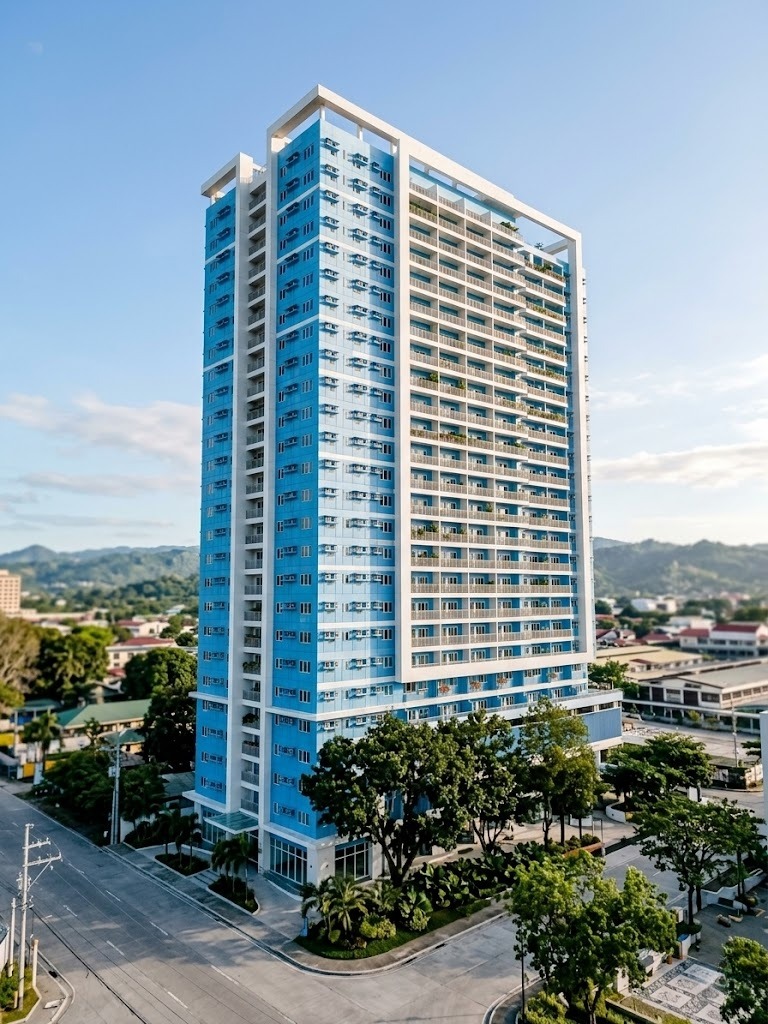
Iloilo's property market already leads the Visayas‑Mindanao region. Colliers Philippines reported a 96 percent house‑and‑lot take‑up rate and an 89 percent condominium absorption rate in the first quarter of 2026. The city has outpaced Metro Cebu in total office transactions. Sustaining that absorption requires infrastructure that keeps pace with construction, and water supply is the single most binding constraint on new development. The Jaro pipe replacement directly addresses that constraint.
Permanent Road Restoration to Begin by June
The project has been a source of public frustration, with Councilor Jose Maria Dela Llana describing roads near Central Philippine University and Barangays San Isidro and Sambag as rough enough to make commuters "feel like they are riding a train." Six motorcycle accidents have been reported in the area. MPIW has since shifted its restoration strategy, using ready‑mixed concrete as temporary restoration rather than asphalt overlays and placing steel plates over excavated sections.
Berba confirmed that permanent road restoration, compliant with Department of Public Works and Highways standards, is scheduled to begin by the end of June 2026. The work will advance in segments, with each section undergoing hydrostatic testing before crews apply permanent restoration. "No section will undergo permanent restoration until it has successfully passed this requirement," the utility stated. For property owners along the corridor, restored roads are not merely a convenience but a direct contributor to land value.
What September 2026 Means for the Surrounding Market
When the HS Jaro project concludes, the recovered 10 million liters per day will strengthen water pressure and supply reliability across Jaro and Mandurriao. The pipeline replacement also supports MPIW's longer‑term goal of 24/7 water supply by 2029. For families considering a home in Jaro, the difference between a barangay that loses 70 percent of its water to leaks and one that loses 20 percent is material. It determines whether taps run dry during peak hours.
For developers, the project signals that the utility is investing in the same neighborhoods where residential demand is strongest. Permanent road restoration, completed to national standards, will improve the physical condition of the corridor itself. September 2026 is not merely a project deadline. It is the moment when one of Iloilo's most dynamic residential districts gains the water infrastructure its property market has long required.