ILOILO CITY — A plan to transform the Siete Pecados traffic islands fronting the Iloilo Provincial Capitol into a landscaped civic plaza is now under review. The proposal, presented to Governor Arthur Defensor Jr. on June 19, 2026, envisions a pedestrian‑friendly open space that could elevate the city’s tourism appeal.
A Vision for Heritage and Open Space
Provincial Administrator Dr. Raul Banias confirmed that renowned landscape architect Paulo Alcazaren led the presentation. Alcazaren’s design reimagines the triangular islands at the intersection of General Luna Street and Bonifacio Drive. The plan swaps congestion for an inviting public plaza that frames the historic Capitol and Arroyo Fountain.
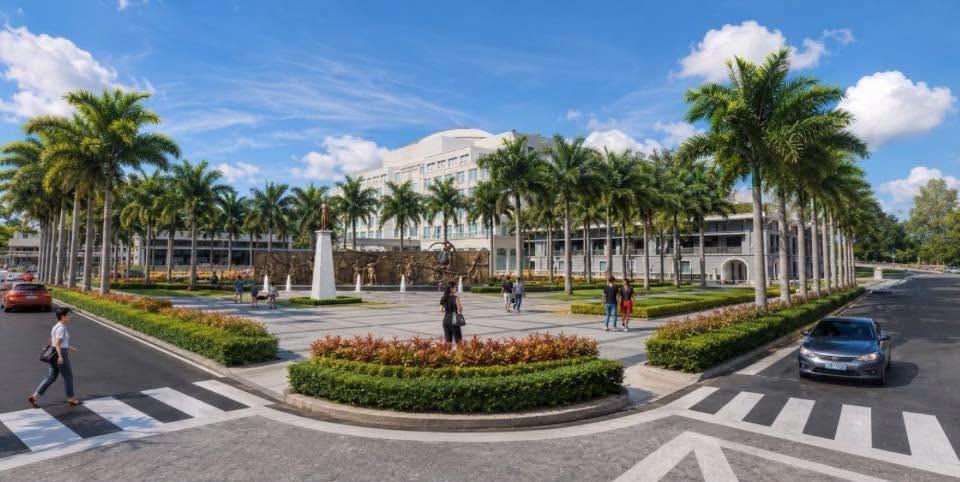
The proposed New Iloilo Provincial Plaza would feature landscaped gardens, meandering walkways, and a dedicated monument space. Enhanced water features are meant to complement the heritage character of the Capitol Complex while providing shaded areas for residents and visitors. The design aims to create a memorable first impression of the seat of provincial government.
The Designer Behind the Esplanade
Alcazaren is best known for designing the award‑winning Iloilo River Esplanade, the country’s largest linear park. His portfolio also includes work on Singapore’s Clarke Quay, underscoring his expertise in turning waterfront and urban spaces into thriving community destinations. His involvement signals that the plaza proposal is rooted in world‑class design principles.
By bringing the same sensitivity to the Capitol grounds, Alcazaren hopes to replicate the Esplanade’s success in attracting both locals and tourists. His design philosophy emphasizes breaking the dominance of vehicles and returning space to pedestrians. The new plaza would extend that philosophy into the heart of downtown Iloilo.
Balancing Traffic and Pedestrian Flow
A key goal of the proposal is to improve traffic circulation around the Capitol Complex. Reconfiguring the Siete Pecados islands is expected to streamline vehicle movement while reclaiming space for a pedestrian‑friendly environment. The plan integrates crosswalks and clear pathways that link the plaza to the Arroyo Fountain and surrounding streets.
Banias noted that opening up the area addresses both vehicular efficiency and the need for more public breathing spaces. The proposal seeks to decongest a historically problematic intersection without sacrificing Iloilo’s architectural legacy. If executed well, it could serve as a model for other cities grappling with similar heritage‑traffic conflicts.
Stakeholder Consultations Ahead
The plan remains preliminary and will undergo rigorous consultations before any approval. Key agencies at the table will include the Iloilo City Government, the Department of Public Works and Highways, and the National Commission for Culture and the Arts. The NCCA’s involvement is crucial because the Capitol and Arroyo Fountain are protected heritage sites.
Banias stressed that no final decision has been made and that all perspectives—from traffic engineers to heritage advocates—will be heard. The multi‑agency review is expected to ensure that any changes enhance rather than detract from the historic landscape. Public feedback may also be solicited as the design evolves.
A Boost for Tourism and Civic Pride
The plaza would join the Esplanade, the newly revitalized Sunburst Park, and the heritage churches as a key stop on Iloilo’s cultural tourism map. Tourists exploring the city’s historic core would find a shaded, beautifully landscaped space to rest, take photographs, and appreciate the Capitol’s neoclassical architecture. The project reinforces Iloilo’s image as a city that values both its past and its future.
Beyond tourism, the new plaza promises to become a natural gathering point for civic events and celebrations. It would give Ilonggos a place to assemble, relax, and take ownership of their heritage. As the proposal progresses, the vision of a vibrant, welcoming public square draws nearer to reality.