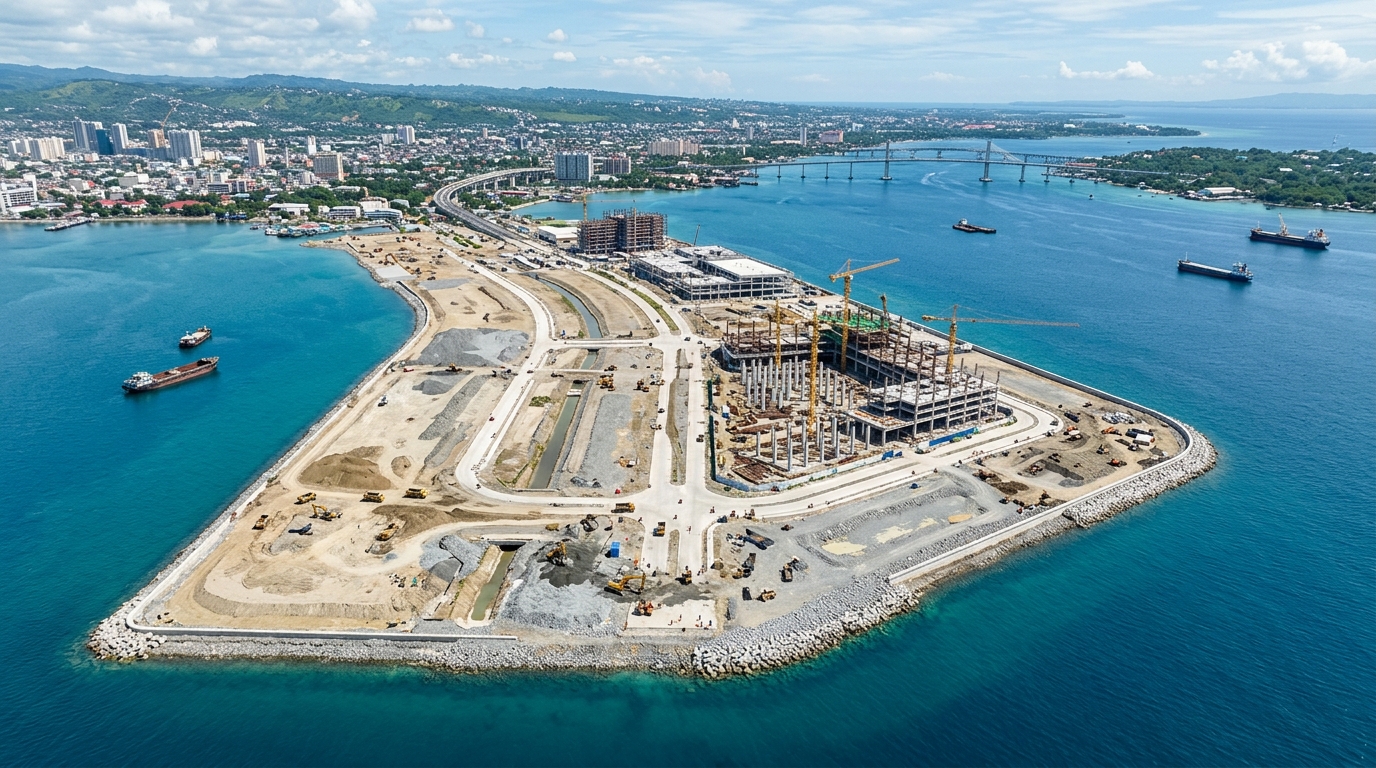
Cebu — The Cebu Provincial Government is shifting its strategy for large-scale reclamation projects, moving toward a model that prioritizes greater long-term returns for the province. Governor Pamela Baricuatro announced in late June 2026 that future partners in reclamation ventures will be required to offer compensation in either cash or land equity, rather than relying solely on traditional service-based contracts. This policy shift is designed to ensure that the province retains significant stakes in reclaimed areas, preventing the total privatization of valuable coastal property and providing a permanent revenue stream for provincial development. By demanding a more equitable share of the reclaimed land or substantial upfront investments, the Capitol aims to protect the public interest while fostering high-value infrastructure growth.
Securing the Province’s Future Assets
Under the new guidelines, the province is looking to leverage its coastal potential as a driver for sustainable economic expansion. Governor Baricuatro emphasized that previous arrangements often left the government with limited benefits once projects were completed, a trend the current administration is determined to reverse. By securing land portions within the reclaimed areas, the province can utilize these zones for strategic public purposes—such as government centers, eco-parks, or high-density housing projects—or generate consistent revenue through long-term commercial leases. This approach not only provides the Capitol with physical assets that appreciate in value but also guarantees a seat at the table in managing the development and environmental standards of these new coastal zones.
Navigating Challenges and Balancing Growth
The policy shift arrives at a critical juncture as Cebu faces increasing pressure to maximize its limited land area amidst rapid urban and industrial growth. Legal and environmental experts have been tapped to draft the framework for these new agreements, ensuring they comply with both the Department of Environment and Natural Resources (DENR) regulations and the Philippine Reclamation Authority (PRA) guidelines. While the provincial government recognizes the necessity of reclaiming land for port expansion and industrial hubs, it remains adamant that such ventures must contribute to the provincial coffers or public infrastructure portfolio. As developers and private firms adjust to these more stringent requirements, the province believes this new model will set a precedent for smarter, more inclusive urban development that keeps the welfare of Cebuano residents at the forefront.