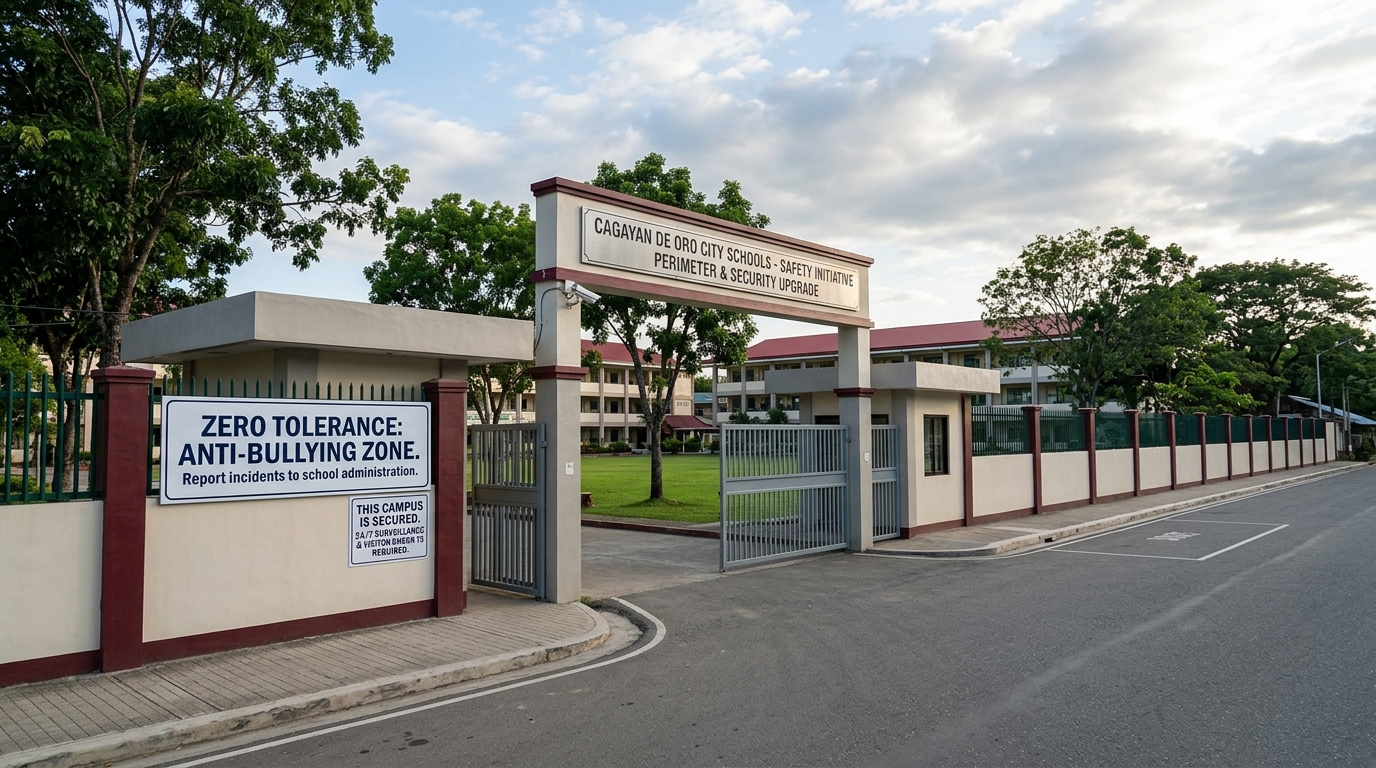
Cebu — The Cebu Province has officially established the "Cebu Safe Schools Program" via Executive Order 35, a proactive response to evolving national concerns regarding campus safety and student welfare. Announced on June 25, 2026, the program introduces a unified security framework that includes mandatory safety protocols, managed visitor access, and improved emergency preparedness across all educational institutions in the province. The initiative is overseen by the Cebu Safe Schools Committee, which brings together provincial government leaders, education officials, and security experts to ensure that schools remain secure environments for learning. This policy reflects a shift toward a more systematic and accountable approach to school safety, emphasizing both preventive measures and rapid response capability.
A Unified Approach to Security
The program mandates the development of comprehensive action plans within 90 days, which will outline specific security standards, violence prevention frameworks, and psychosocial initiatives for each school. By centralizing the policy through the Cebu Safe Schools Committee, the provincial government ensures that schools in both urban centers and rural municipalities are held to the same high standard of protection. This committee, co-chaired by Governor Pamela Baricuatro and the Provincial Schools Superintendent, facilitates a coordinated effort that bridges the gap between various government agencies. Such uniformity is intended to provide peace of mind for parents and educators, while creating a clear set of expectations for school administrators.
Empowering Local Implementation
While the provincial government provides the overarching policy, individual municipalities and school districts have already begun implementing independent security enhancements, such as increased police visibility and routine bag inspections. For instance, the Municipality of Daanbantayan has adopted increased patrolling, while many schools in Cebu City and Mandaue have rolled out non-contact inspection systems to secure campus perimeters. These local efforts complement the provincial-wide policy, demonstrating a shared commitment to safeguarding the youth. The program’s flexibility allows each institution to adapt the safety protocols to its specific layout and community context, ensuring that security measures are practical and effective.
Prioritizing Holistic Well-being
Beyond just physical security like metal detectors and managed entry, the program focuses on the psychological health of students and the influence of digital environments. Leaders have underscored the need for parental guidance regarding online activity, as well as the importance of psychosocial support to prevent violence before it happens. This balanced strategy recognizes that a truly safe school is one that nurtures students emotionally while also protecting them from physical threats. By addressing the root causes of potential conflict alongside hardening school infrastructure, the province is creating a more resilient and supportive educational system.