MAKATI CITY — In a city known for its towering skyscrapers and fast-paced corporate life, the local government is ensuring that essential public services remain accessible to every resident. Through a hybrid service delivery model that combines traditional barangay halls and modern satellite hubs, Makati is making it easier for citizens to transact with the government without having to travel far from their neighborhoods, reinforcing its commitment to efficient and people-centric governance.
A Decentralized Network for Public Service
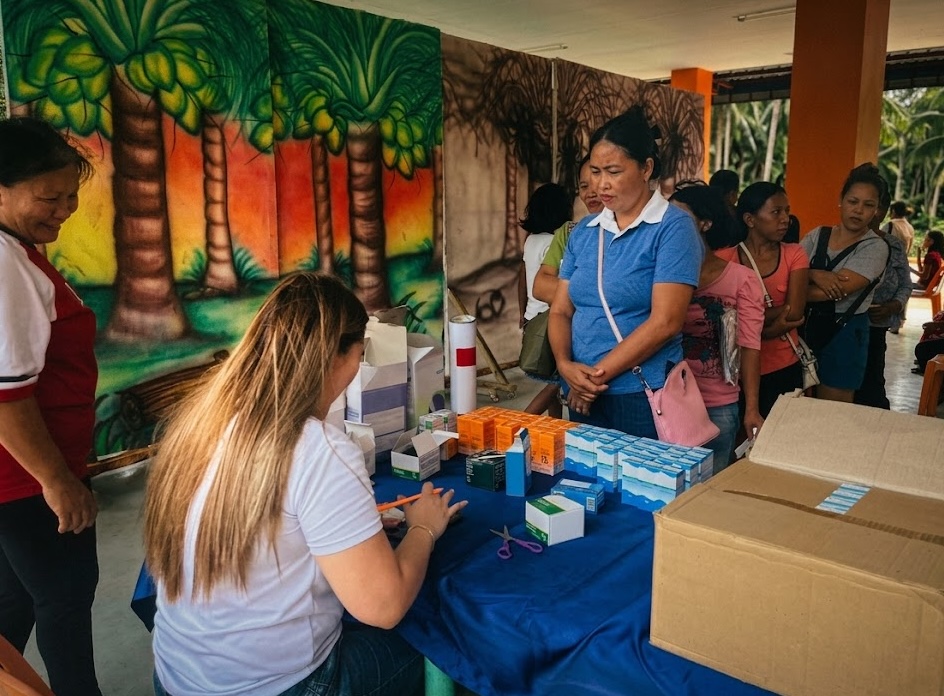
Makati's approach to public service delivery is built on a hybrid model that leverages both existing local barangay infrastructure and modernized centralized hubs. The city's 33 barangays serve as the primary, localized points of contact where residents can handle various government transactions. This network is designed to reduce the need for long commutes to the main city hall, saving time and making essential services more accessible to all, particularly those in far-flung areas. Complementing these barangay halls is the SM Makatizen Hub, which provides a centralized, convenient touchpoint within a major commercial center.
The SM Makatizen Hub: A Centralized Convenience Hub
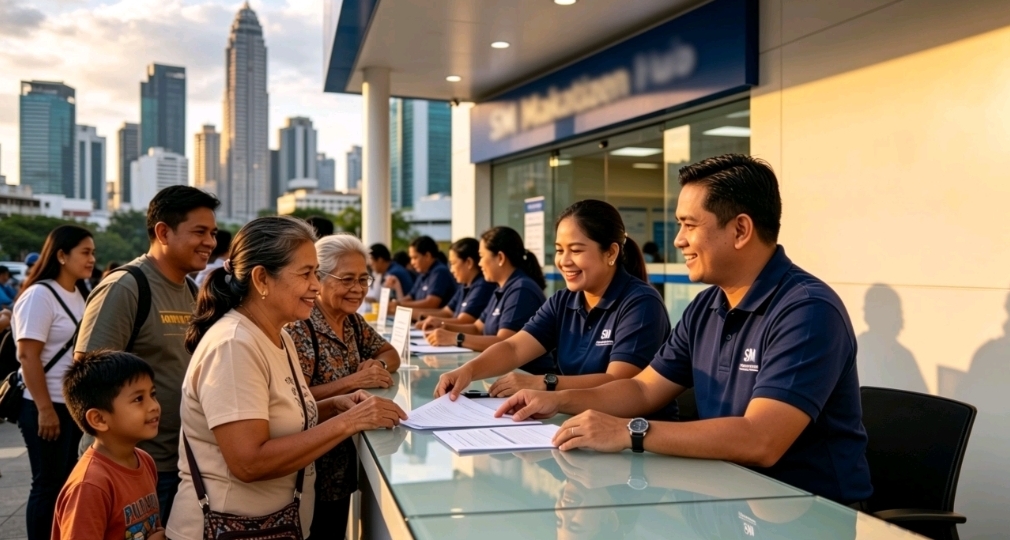
A prime example of this hybrid model in action is the SM Satellite Hub at SM Makati. Operating during standard business hours, this hub allows residents to complete transactions while going about their daily routines. The city government adjusts its operating schedule to ensure it meets the needs of the public, demonstrating a responsive approach to service delivery. Similarly, the online payment portal for real property taxes (RPT) provides another layer of convenience, allowing property owners to settle their obligations anytime.
Empowering Barangays with Direct Funding
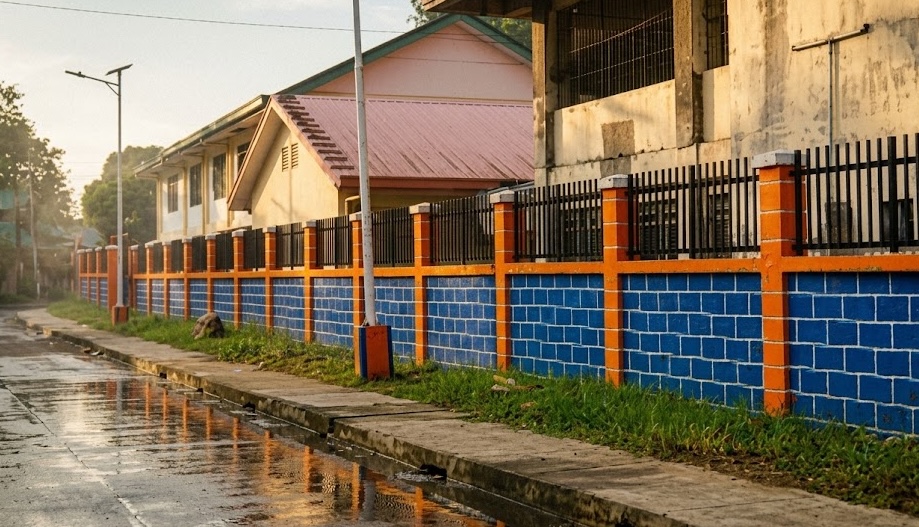
The service delivery model is complemented by direct financial support to barangays. Through the national government's "Bawat Bayan Makikinabang" program, facilitated by the local government—each of Makati's 33 barangays receives PHP200,000 from the Socio-Civic Projects Fund (SCPF), a national initiative under the Office of the President. Half of this fund is allocated for educational assistance, benefiting scholars per barangay, while the other half is used for priority community development projects identified by local leaders. These projects often include investments in public service and disaster response equipment like tents, CCTV systems, generators, and flood control materials, giving barangays the resources to address their unique needs.
A Connected, Empowered Community
Makati's hybrid service delivery model is more than just a network of offices; it's a strategy to build a more connected and empowered community. By bringing government services closer to the people through both localized barangay halls and centralized hubs, and giving barangays the resources to address local priorities, the city is ensuring that its growth and progress are felt at the grassroots level.