CEBU CITY — The three‑day Our Cebu expo wrapped up on June 21, 2026 at Robinsons Galleria, bringing together delicacies, souvenirs, and tourism offerings from the Second and Sixth Districts, plus the lone districts of Mandaue and Lapu‑Lapu. The event highlighted how local products can power a distinct Cebuano tourism brand.
A Platform for Local Artisans
The exhibit transformed the mall into a lively marketplace of Cebuano identity. Visitors sampled regional delicacies, browsed handmade souvenirs, and watched traditional sarok weaving by artisans from Consolacion. The live demonstration drew crowds eager to see how bamboo strips and dried banana leaves become a farmer’s iconic conical hat.
Governor Pamela Baricuatro urged local governments to continue developing authentic, distinctly Cebuano products. She said the event proves that culture and commerce can thrive together in a modern retail setting. Her message resonated with the dozens of micro‑entrepreneurs who participated in the expo.
Weaving Tradition Into Modern Tourism
The sarok weaving showcase was more than a craft demonstration; it was a preservation effort for a dying tradition. The lightweight, waterproof hat has shielded Cebuano farmers for generations, and its appearance at a mall expo gives it new relevance. Tourists and locals alike appreciated the skill required to layer bamboo and banana leaves.
Barangay Tulotulo in Consolacion is widely considered the birthplace of this cottage industry. The annual Sarok Festival celebrates the craft, but master weavers worry that young people are losing interest. Exposing the sarok to a broader audience is a crucial step in keeping the heritage alive.
Weddings and Destination Appeal
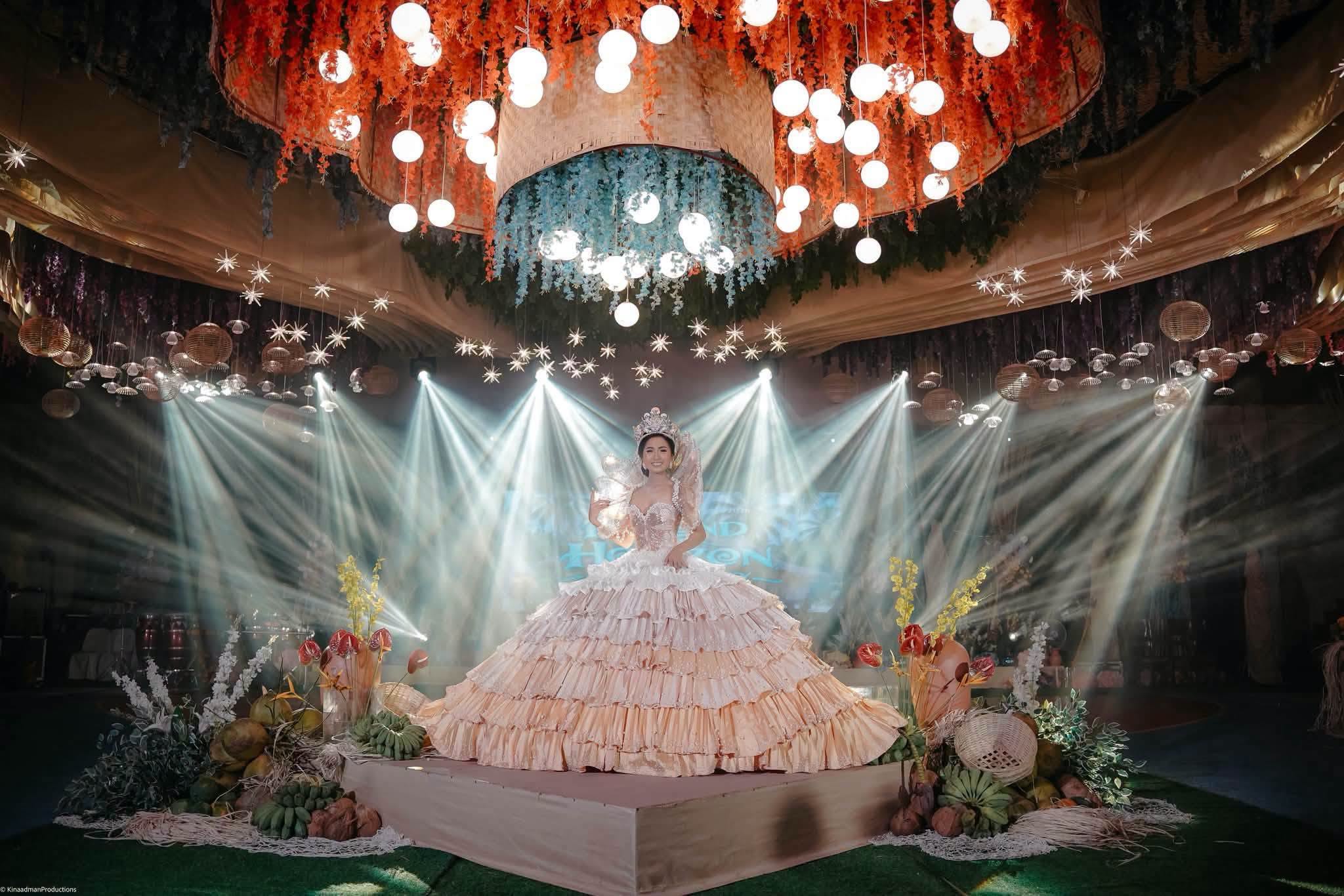
This edition of Our Cebu adopted a wedding theme, showcasing how the province’s districts can serve as cultural and romantic destinations. Municipalities presented bridal concepts that integrated local heritage, from flower arrangements to venue styling. The approach highlights that Cebu is not just about beaches but also about authentic experiences.
Tourism officers used the platform to market lesser‑visited towns as wedding venues, complete with cultural performances. The strategy aims to attract higher‑spending visitors and extend their stays beyond the usual urban hubs. By linking tradition with celebration, the expo opened new revenue streams for local communities.
Record Sales Encourage Continued Collaboration
Governor Baricuatro announced that the first three editions of Our Cebu generated over ₱1.1 million in combined sales for participating LGUs. She called the figure a remarkable achievement that demonstrates the province’s commitment to enhancing tourism development and supporting local enterprises. The numbers prove that small‑scale producers can thrive with the right exposure.
The governor urged stakeholders, entrepreneurs, and local officials to sustain their collaboration in developing tourism products rooted in Cebuano identity. She emphasized that the program strengthens livelihoods while preserving heritage. The expo has become a catalyst for economic inclusion across the province.
A Rebranded Expo for Inclusive Growth
The event was rebranded from its former name to Our Cebu, aligning with the Capitol’s tagline “Ato Ang Sugbo.” The shift emphasizes a people‑centered approach, connecting grassroots producers directly with urban markets. This inclusivity gives even the smallest towns a chance to participate in Cebu’s tourism economy.
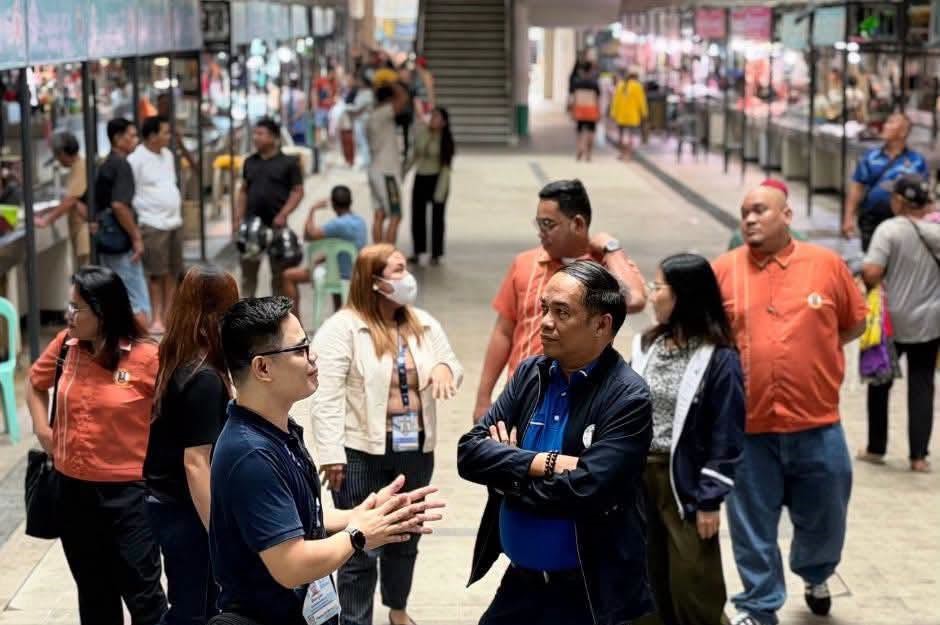
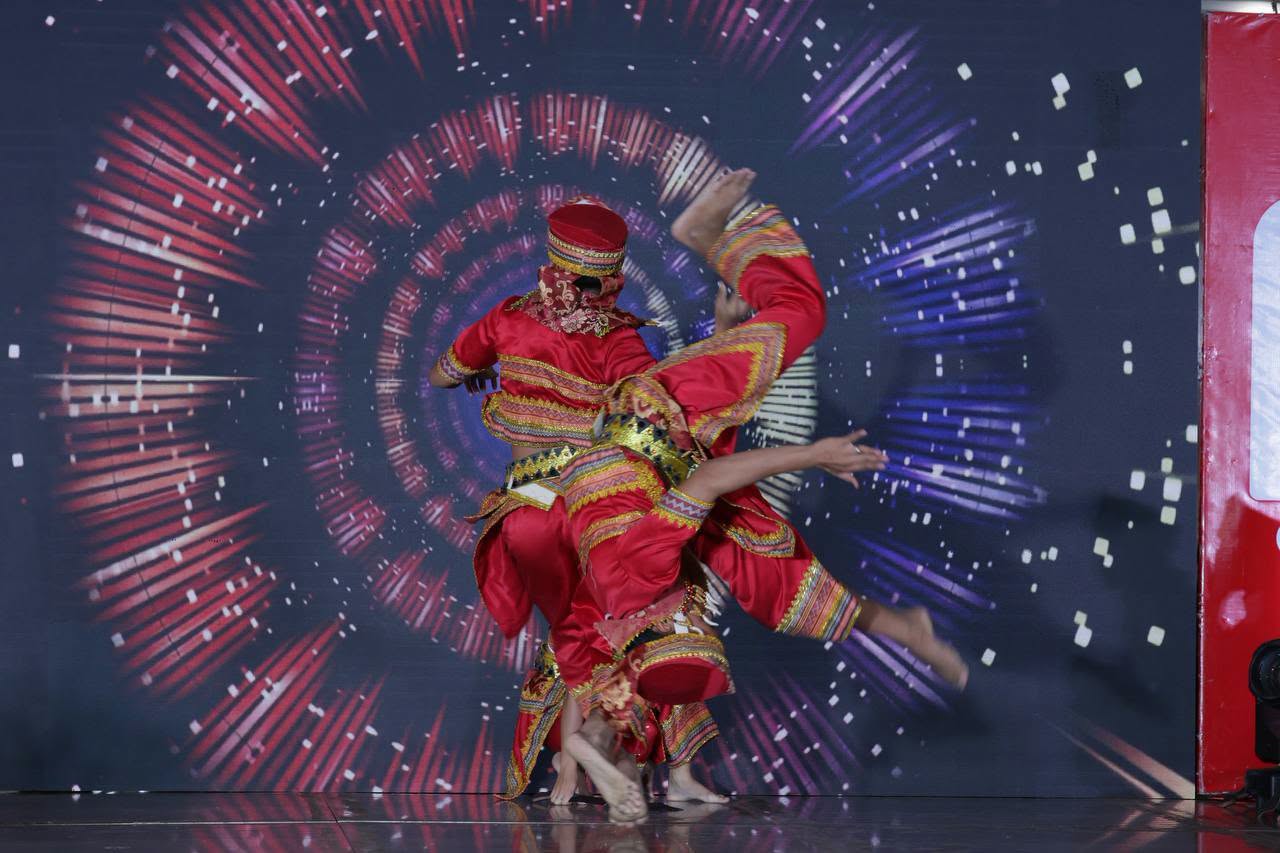
Cultural performances from Arnis de Abaniko, the La Torta Festival of Argao, and the Boljoon Upbeat Band added color to the event. Local chief executives and tourism officers attended, reinforcing the unity behind the province’s economic goals. As the expo closed, the commitment to building a strong Cebuano brand was stronger than ever.