Not Every Food Identity Has to Be Built on Rarity
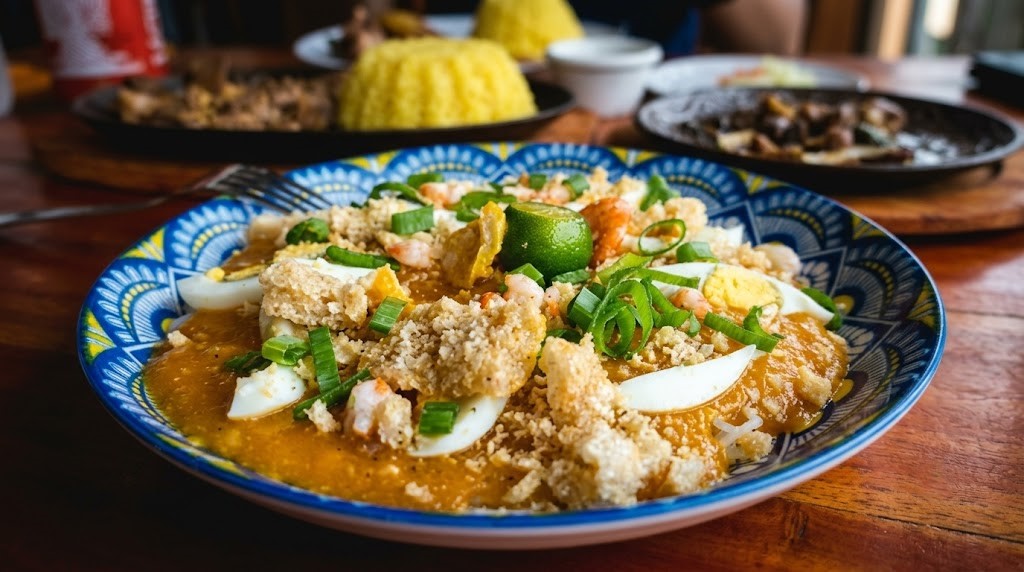
There is a tendency to think delicacies only count if they are obscure, old-fashioned, or impossible to find elsewhere. But cities also build food identities through the dishes they keep returning to, improving, and associating with certain places. Palabok sa Ozamiz points to that quieter kind of local food culture. It may not claim exclusivity over the dish itself, but it reflects the city’s appetite for warm, filling, familiar meals that fit both everyday dining and casual food trips. That matters because travelers do not always need a culinary artifact; sometimes they need a food stop that reveals how a city actually eats.
Why This Works Better Than Forcing a “Must-Try Delicacy” Narrative
When destination writing becomes too desperate to find a single signature food, it often ends up flattening the place. Ozamiz is better served by a more honest approach—one that recognizes how local dining habits, bakeries, noodle dishes, grilled staples, and dessert stops all contribute to the city’s food identity. A place like Palabok sa Ozamiz fits neatly into that approach. It gives visitors a tangible dish to try, but it does not require overclaiming or pretending the city’s food culture begins and ends with one item. Instead, it opens the door to a broader understanding of Ozamiz dining: practical, comfort-driven, and best experienced through multiple small stops rather than one grand culinary trophy.
Make It Part of a Broader Ozamiz Food Trail
The smartest way to enjoy a place like Palabok sa Ozamiz is to stop treating it as a standalone “mission accomplished” meal. Pair it with a bakery visit, a barbecue dinner, or an afternoon dessert stop and it starts making more sense within the city’s rhythm. This is how Ozamiz rewards food travelers: not through a single blockbuster dish, but through a series of meals that gradually reveal how the city eats. Palabok becomes part of that larger picture. It is not a gimmick, not a novelty plate, and not something that needs exaggerated mythology to matter. It works because it feels lived-in, and in travel, that often matters more than rarity.