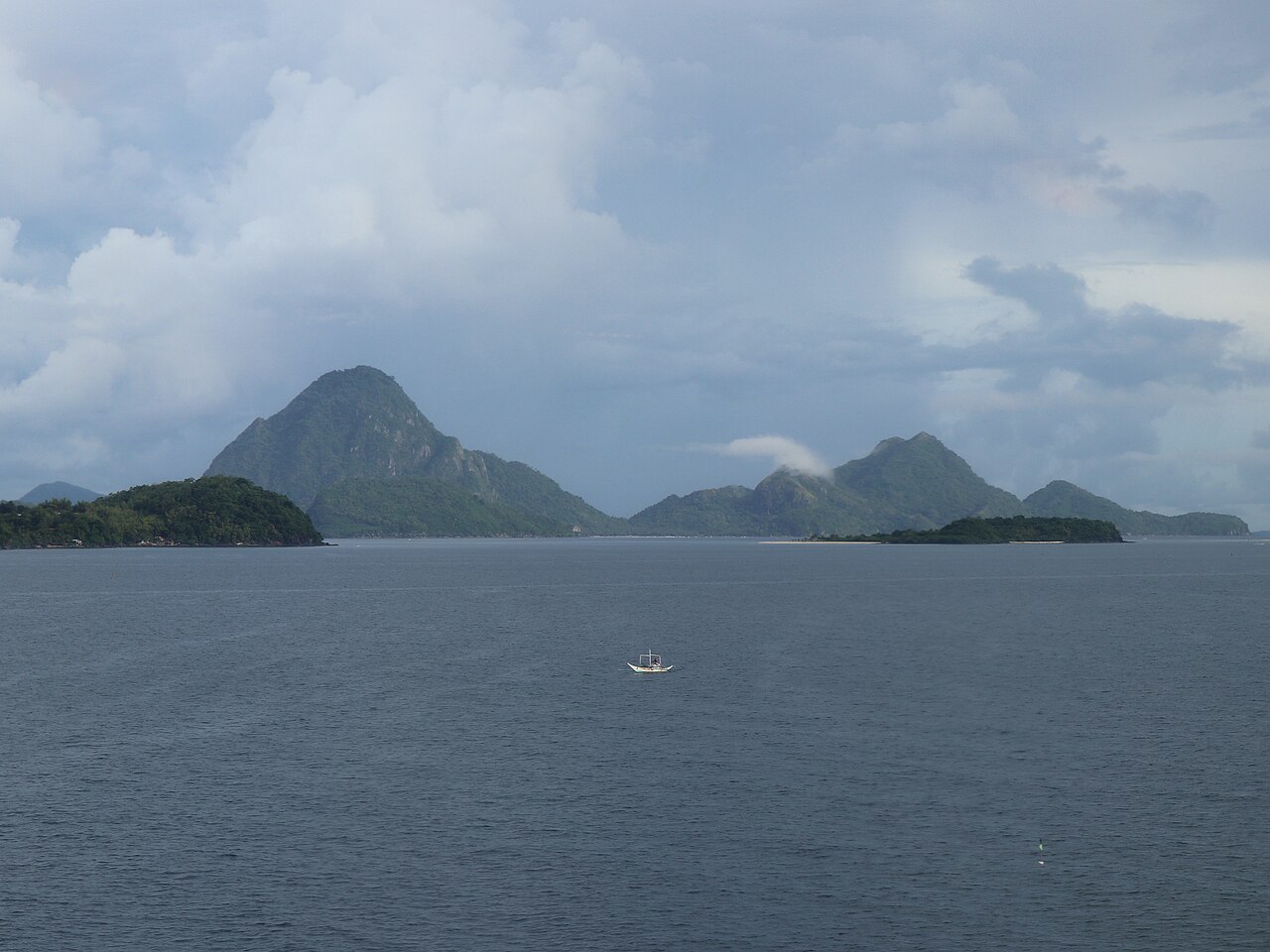
ILOILO — Rising abruptly from the waters off northeastern Panay, Pan de Azucar Island has long been one of Iloilo's most striking yet under-visited natural assets. Its name—Spanish for "sugarloaf"—refers to the cone-shaped Mount Pan de Azucar that dominates the skyline, a landmark visible from miles across the Visayan Sea. Now, the island is receiving the kind of focused government attention that transforms a locally cherished destination into a province-wide tourism priority. On April 21, 2026, Provincial Administrator Raul Banias led a multi-office inspection team to Barangay Macatunao to begin preparations for rehabilitating the Lumpatan Rock Trail, a storm-battered pathway that serves as the gateway to one of the island's most spectacular geological formations.
The rehabilitation, formally announced by the Iloilo Provincial Government on April 22, is part of the "Turista sa Barangay" program established under Executive Order No. 168 by Governor Arthur Defensor Jr. Planned works include restoration of the trail itself, construction of a public rest area and comfort rooms, and installation of a water supply system to improve visitor access and convenience. The trail was originally constructed approximately 20 years ago under the third cycle of the Department of Social Welfare and Development's KALAHI-CIDSS program, a community-driven development initiative. It sustained significant damage last year after strong waves triggered by a shear line weather system battered the coastline, raising concerns over visitor safety and the island's tourism potential.
A Scoping Process Years in the Making
The April 2026 rehabilitation does not begin from a blank slate. It builds on a comprehensive scoping process that commenced in August 2025, when Provincial Tourism Officer Bombette Marin led the "Turista sa Barangay" Core Team to Barangay Tambaliza Gym for a multi-sectoral assessment of the island's tourism readiness. The team—comprising representatives from the Provincial Culture, Arts, History and Tourism Office, Planning and Development Office, Environment and Natural Resources Office, Health Office, Agriculture Office, Engineer's Office, LEDIP Center, and Disaster Risk Reduction and Management Office—evaluated four key areas: economic viability, environmental sustainability, social equity, and governance. "Are we all united in our vision to transform Pan de Azucar into a premier eco-tourism destination?" Marin asked stakeholders. "The full support of the community and all relevant sectors is essential for us to achieve this goal."
That scoping session was itself preceded by a May 2025 consultation where village leaders and stakeholders identified critical challenges: inadequate water and power supply, poor telecommunication services, rough roads leading to tourism sites, lack of organized tourism activities, and weak enforcement of local ordinances. The three barangays that comprise Pan de Azucar—Tambaliza, Macatunao, and Taloto-an—signed a pledge of commitment and crafted a joint resolution pushing for the island's eco-tourism declaration. Governor Defensor had met with the Save Pan de Azucar Movement as early as April 2025 to discuss the vision. "Governor Defensor really sees the potential of the island as an eco-tourism destination," Marin said at the time. The trail rehabilitation in April 2026 is the first major infrastructure deliverable to emerge from that sustained, year-long planning process.
Beyond Lumpatan: An Island of Peaks, Beaches, and Community Hospitality
While the Lumpatan Rock Trail restoration commands the headlines, Pan de Azucar offers far more than a single attraction. The island is home to Mount Manaphag, one of the highest peaks in Iloilo province, and its dramatic coastal landscapes include pristine beaches and vibrant dive sites that remain largely undiscovered by the mass tourism market. Lumpatan Rock itself is celebrated for its peculiar and beautiful formations—weathered limestone sculpted by millennia of wave action into shapes that reward the photographer and the geologist alike.
The provincial government's vision extends beyond infrastructure. Under the "Turista sa Barangay" program, the goal is to develop the island as a premier tourist destination while creating sustainable economic activities that directly benefit residents. The program aims to develop barangays into tourism destinations, venues for tourism activities, and service points for travelers. Newly designated Provincial Tourism Officer Aulynn Yue Sin, appointed under Executive Order No. 10, has articulated a strategy that positions community immersion at the center of the visitor experience. She envisions integrated tourism hubs at major ports—including Estancia, Carles, and Concepcion—featuring information desks, pasalubong areas, and food terminals where visitors can savor fresh local dishes before embarking on island trips. "We want tourists to experience Iloilo not just through festivals but through food, culture, local life, and eco-tourism," Sin said.
A Northern Iloilo Circuit in Formation
Pan de Azucar's rehabilitation aligns with a broader northern Iloilo tourism strategy that connects Concepcion to its neighboring coastal municipalities. Carles, home to the increasingly popular Islas de Gigantes, already draws visitors for its scallop feasts and sandbars. Estancia serves as a gateway to both island and inland destinations. By strengthening Pan de Azucar's infrastructure and amenities, the province is effectively adding a third anchor to a northern circuit that can distribute visitor traffic across multiple destinations rather than concentrating it on a single overcrowded island. The island's location—accessible by boat from mainland Concepcion—positions it as a natural day-trip or overnight destination for travelers already exploring the northern Iloilo coastline. As the Lumpatan Rock Trail restoration progresses through 2026, Pan de Azucar's transformation from a locally known secret to a certified eco-tourism destination inches closer, one rehabilitated step at a time.